7 Anti Inflammatory Dinners You Can Cook Tonight | Dinner Roulette Pro
August 21, 2026
7 Anti Inflammatory Dinners You Can Cook Tonight
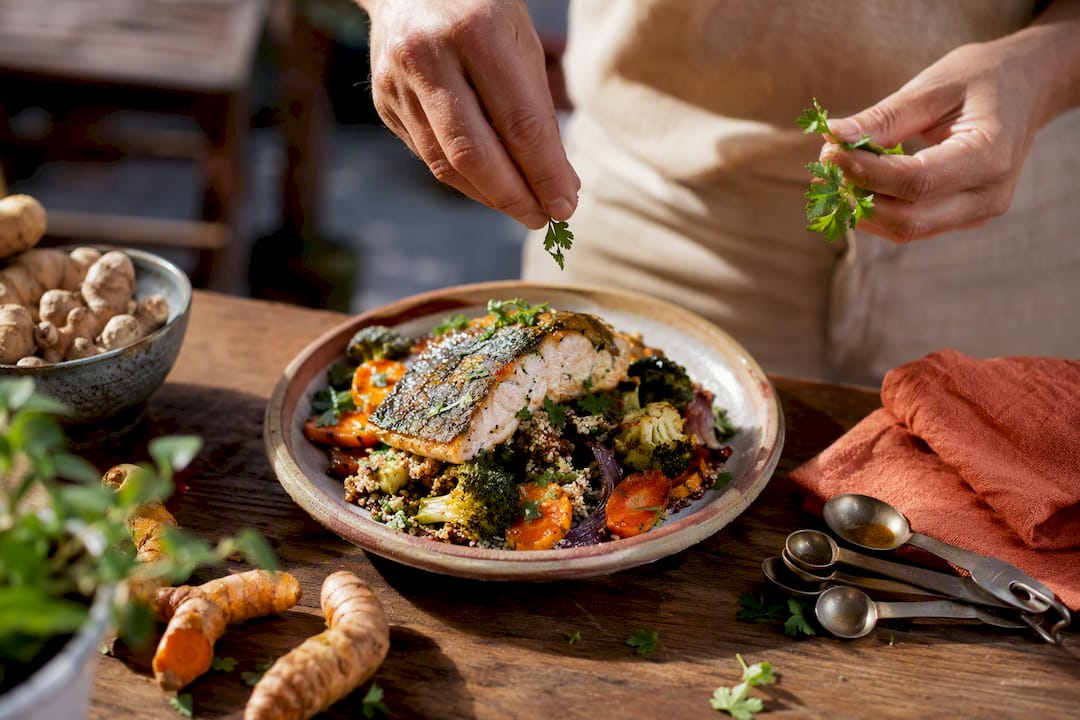
An anti-inflammatory dinner centers on whole plant foods, healthy fats, fiber, and omega-3-rich protein instead of processed carbs and fried fat. That combination is linked to lower levels of C-reactive protein (CRP), one of the main markers doctors use to track inflammation in the body. If you want to start tonight, two dinners deliver the most payoff for the least effort:
- Turmeric salmon bowl with roasted sweet potato and greens, built on the Arthritis Foundation’s recommendation of fatty fish twice a week.
- Lentil sweet potato stew, a plant-based option that leans on fiber and follows the same Mediterranean-style pattern nutrition researchers point to again and again.
Neither requires a specialty grocery run, and both hold up as leftovers.
Key Takeaways
Anti-inflammatory dinners work best when they follow a repeatable pattern of fatty fish, plant fiber, and healthy fats rather than chasing any single “superfood.”
| Point | Details |
|---|---|
| Start with two dinners | Try the turmeric salmon bowl or lentil sweet potato stew tonight to see the pattern in action. |
| Hit the fish target | Eat 3 to 4 ounces of cold-water fatty fish, like salmon or sardines, at least twice weekly. |
| Use the plate ratio | Fill half the plate with vegetables, a quarter with protein, a quarter with whole grains or sweet potato. |
| Swap, don’t overhaul | Trade butter for olive oil and white rice for quinoa rather than rewriting your whole menu. |
| Let the app plan it | Dinner Roulette Pro generates anti-inflammatory recipes, checks allergies, and builds the shopping list for you. |
Table of Contents
- Easy Anti-Inflammatory Dinner Recipes for Weeknights
- What Should an Anti-Inflammatory Dinner Plate Look Like?
- Simple Swaps and Quick Cooking Tricks That Actually Stick
- What Does the Research Actually Say About Eating for Inflammation?
- Let Dinner Roulette Pro Handle the Anti-Inflammatory Menu Planning
- Where to Read More on Anti-Inflammatory Eating
- Frequently Asked Questions
- Sources
Easy Anti-Inflammatory Dinner Recipes for Weeknights
You don’t need seven new grocery lists to eat this way. These seven anti-inflammatory dinner recipes reuse the same core ingredients, so one shopping trip covers most of the week.
-
Turmeric salmon and sweet potato bowl. Roast salmon with turmeric and black pepper (pepper boosts curcumin absorption), then serve over cubed sweet potato and sautéed kale. Ready in 25 minutes. This salmon bowl template works with a lemon tahini drizzle instead of dressing if you’re out of citrus. Omega-3s from the salmon and polyphenols from the sweet potato do the heavy lifting here.
-
One-pot chickpea and turmeric stew. Simmer chickpeas, sweet potato, ginger, turmeric, and spinach in vegetable broth for a freezer-friendly stew that takes about 40 minutes and reheats well for lunch the next day. Swap chickpeas for lentils if that’s what’s in the pantry.
-
Lentil and sweet potato curry. Red lentils cook in 20 minutes, and combined with sweet potato and coconut milk they make a thick, satisfying curry loaded with fiber. Serve over quinoa instead of white rice to add plant protein without extra prep time.
-
Sheet pan salmon with walnuts and greens. Toss salmon fillets, walnuts, and spinach with olive oil on one pan and roast for 15 minutes. The walnuts add crunch and a second dose of omega-3s beyond what the fish provides.
-
Quinoa and kale power bowl with almonds. Cook quinoa, wilt kale with garlic and olive oil, then top with sliced almonds and a soft-boiled egg or chickpeas for protein. Ten minutes of hands-on time if the quinoa is already made.
-
Ginger turmeric chicken with roasted vegetables. Marinate chicken thighs in ginger, turmeric, and olive oil, then roast alongside broccoli and sweet potato wedges. About 35 minutes start to finish, and it’s the easiest recipe here to make kid-friendly by dialing back the spice.
-
Sardine and white bean skillet with greens. Sardines are an underused, budget-friendly source of the same omega-3s found in salmon. Sauté white beans and spinach in olive oil, fold in canned sardines, and finish with lemon. Fifteen minutes, one pan, done.
Across these seven, every one of the core anti-inflammatory ingredients (salmon, turmeric, olive oil, leafy greens, nuts, sweet potato, lentils, and quinoa) shows up at least once, so you can mix and match without hunting for a missing item.
What Should an Anti-Inflammatory Dinner Plate Look Like?
Skip the recipe and you can still build a solid dinner using a simple ratio: fill half the plate with vegetables, a quarter with fatty fish or a plant protein like lentils, and a quarter with a whole grain or starchy vegetable such as quinoa or sweet potato. Finish with a thumb-sized portion of healthy fat, usually olive oil or a handful of nuts.
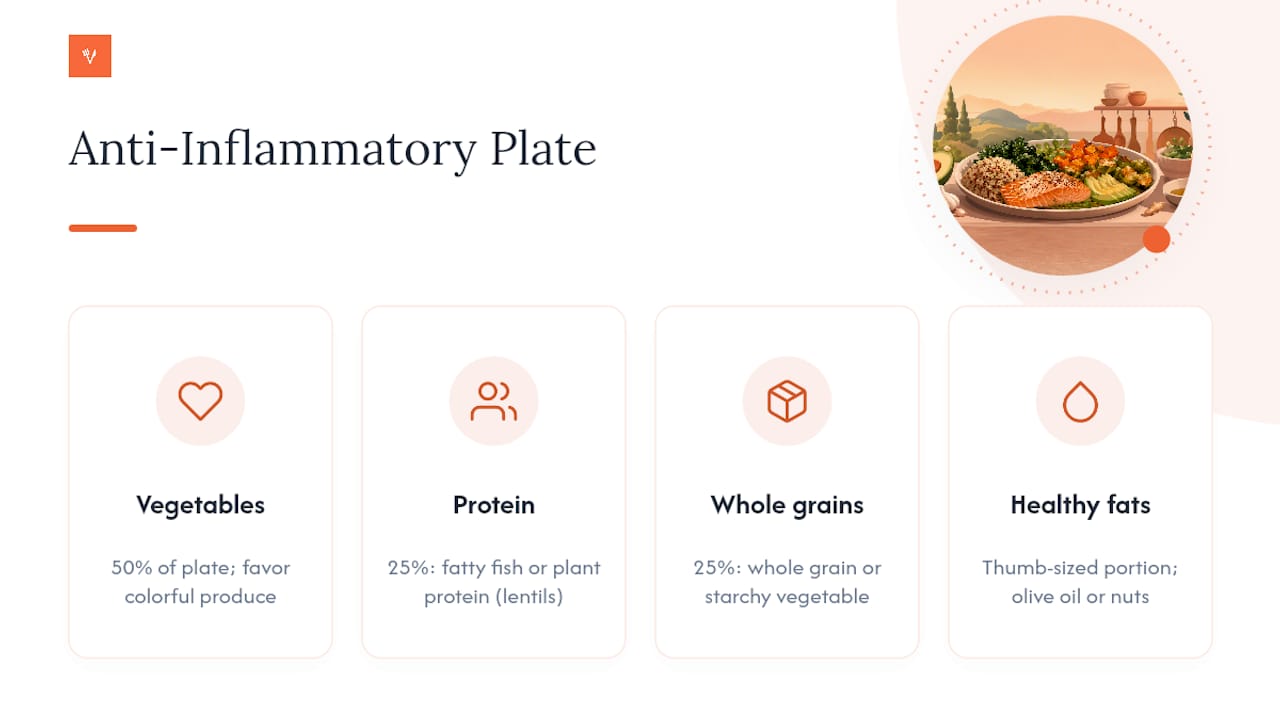
Lean on colorful produce, olive oil, fatty fish, nuts, legumes, turmeric, and ginger as your defaults. Limit processed meats, deep-fried foods, refined sugar, excess refined carbs, and trans fats. These categories are consistently flagged in Johns Hopkins Medicine’s guidance on inflammation and diet.
On the protein side, aim for 3 to 4 ounces of cold-water fatty fish, like salmon, sardines, or tuna, at least twice a week. That amount and frequency is what’s been tied to measurable drops in inflammatory markers, not an occasional fish dinner once a month.
Simple Swaps and Quick Cooking Tricks That Actually Stick
You don’t need to overhaul your cooking style. Small, repeatable swaps do most of the work, and they stabilize blood sugar while cutting refined fat and sugar intake without making dinner feel like a diet.
- Swap butter for extra virgin olive oil in sautéing and dressings.
- Swap fries for roasted sweet potato wedges.
- Swap white rice for quinoa or farro.
- Swap heavy cream sauces for olive oil whisked with lemon or tahini.
- Swap breaded, fried proteins for sheet pan roasted versions.
- Swap soda or sweetened drinks with dinner for sparkling water and citrus.
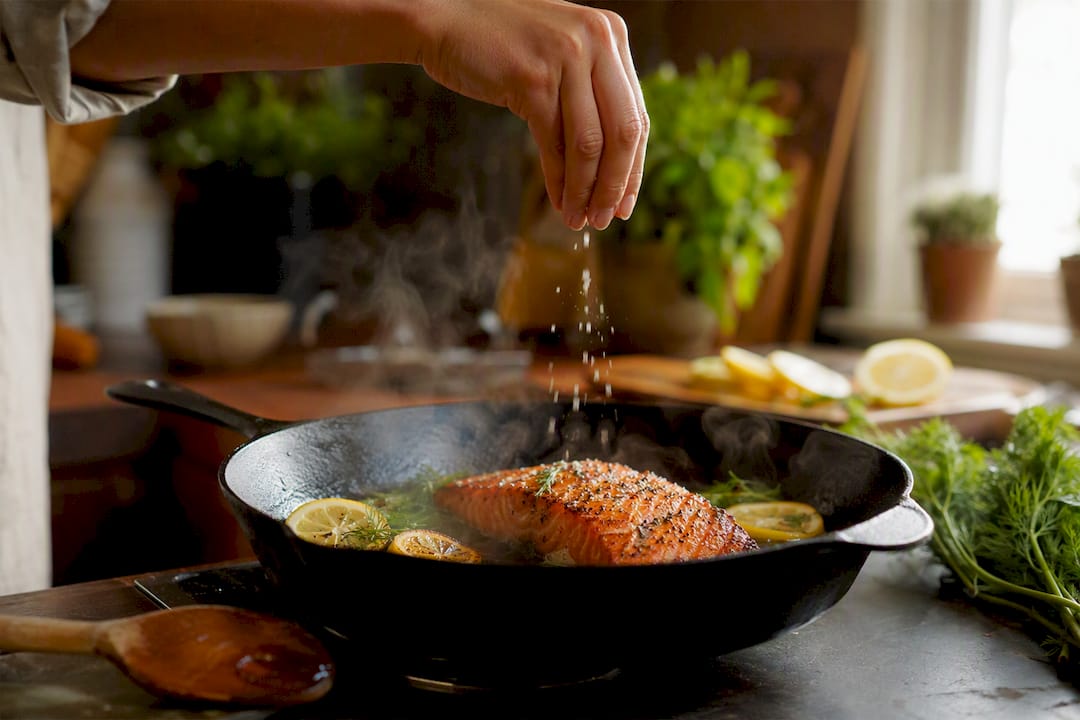
Pro Tip: Always pair turmeric with a pinch of black pepper and a source of fat, like olive oil. Black pepper’s piperine dramatically improves how much curcumin your body actually absorbs, so a turmeric dish cooked without it delivers a lot less benefit.
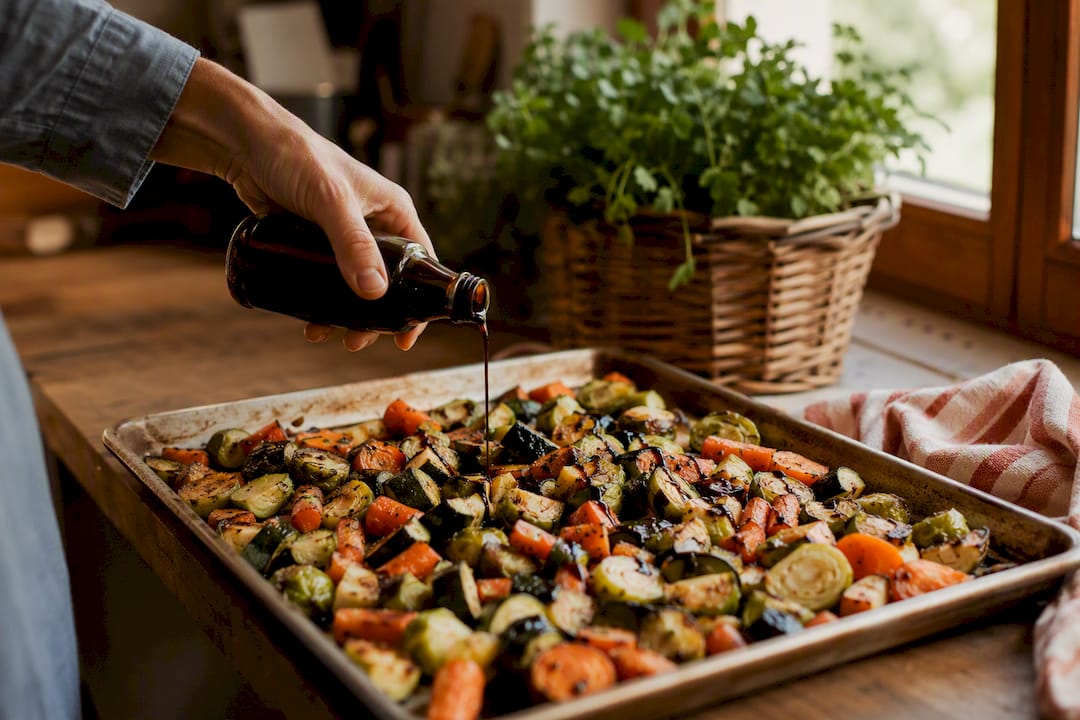
For speed, batch-roast a tray of mixed vegetables on Sunday and pull from it all week, or default to one-pot stews when you don’t have energy to manage multiple pans.
What Does the Research Actually Say About Eating for Inflammation?
There’s no single “anti-inflammatory diet” backed by one gold-standard study. What the evidence supports instead is a pattern, most often the Mediterranean diet, built around plant foods, healthy fats, and fish rather than any one miracle ingredient. A review of dietary patterns and systemic inflammation found consistent associations between plant-forward, whole-grain-rich eating and lower inflammatory markers, though results vary by study design and population.
A few serving guidelines are worth memorizing rather than looking up every time:
- Cold-water fatty fish: 3 to 4 ounces, at least twice weekly.
- Fruits and vegetables: roughly 1.5 to 2 cups of fruit and 2 to 3 cups of vegetables daily.
- Nuts: about 1.5 ounces a day, walnuts and almonds included.
Dietitian Jeanne Luongo has made the point that the overall eating pattern matters more than any single ingredient: consistency across weeks beats a perfect anti-inflammatory dinner eaten once and forgotten.
A meal planner’s take on making this sustainable
I’ve watched people burn out trying to make every dinner “perfectly” anti-inflammatory, and it backfires. What works is repetition: cook the same three or four base recipes on rotation, batch the grains and roasted vegetables, and let the protein change from salmon to lentils to chicken depending on the night. Small, boring consistency beats an ambitious meal plan you abandon by Thursday.
— Jack
Let Dinner Roulette Pro Handle the Anti-Inflammatory Menu Planning
Deciding what to cook every single night is exhausting, especially when you’re also trying to hit fish twice a week and keep sneaking in leafy greens. Dinner Roulette Pro takes that decision off your plate: spin the wheel with your dietary preferences set, and it generates a full anti-inflammatory recipe complete with ingredients, nutrition breakdown, and a ready-made shopping list.
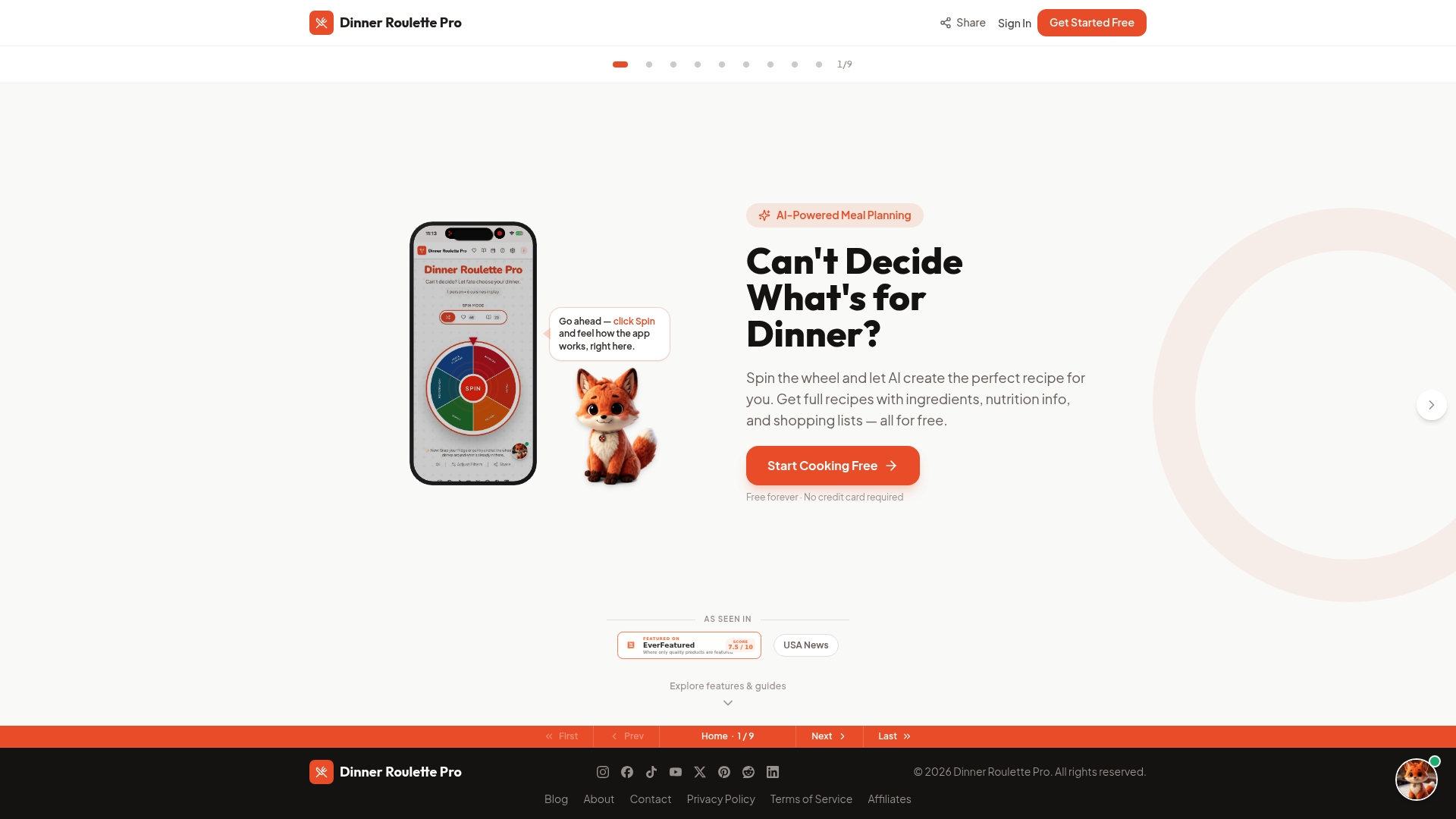
The app checks allergies and dietary restrictions automatically, so a family managing a shellfish allergy or a gluten sensitivity doesn’t have to cross-check every recipe by hand. It’s free to generate recipes, and once you’ve found a rotation of anti-inflammatory dinners you like, the Recipe Organization Guide shows you how to save them into collections so you’re not rebuilding your week from scratch every Sunday. Open the app and spin the wheel for tonight’s dinner.
Where to Read More on Anti-Inflammatory Eating
- Arthritis Foundation: daily fruit, vegetable, and nut targets.
- Johns Hopkins Medicine: gut health and inflammation basics.
- Harvard Health: foods that reduce chronic inflammation.
- PMC review: dietary patterns and systemic inflammation.
- EatingWell: a sample 7-day gut-healthy meal plan.
Frequently Asked Questions
What foods should I avoid for inflammation at dinner? Limit processed meats, deep-fried foods, refined sugar, excess refined carbs, and trans fats. These show up consistently in clinical guidance on foods linked to higher inflammation.
How often should I eat fish for inflammation? Aim for 3 to 4 ounces of cold-water fatty fish, such as salmon, sardines, or tuna, at least twice a week, per Arthritis Foundation guidance.
Can anti-inflammatory dinners still be quick on busy weeknights? Yes. Sheet pan salmon, one-pot lentil stews, and quinoa bowls all come together in 15 to 40 minutes using ingredients like turmeric, olive oil, and leafy greens.
Is there one best anti-inflammatory diet to follow? No single diet is proven best. Experts point to broader eating patterns, especially the Mediterranean diet, rather than any one food or plan.
This article is general information, not a substitute for advice from a qualified doctor. Consult a qualified healthcare professional about your own circumstances before acting on anything here.