Cut Grocery List Time from 45 to 15 Minutes for Busy Shoppers | Dinner Roulette Pro
September 5, 2026
Cut Grocery List Time from 45 to 15 Minutes for Busy Shoppers
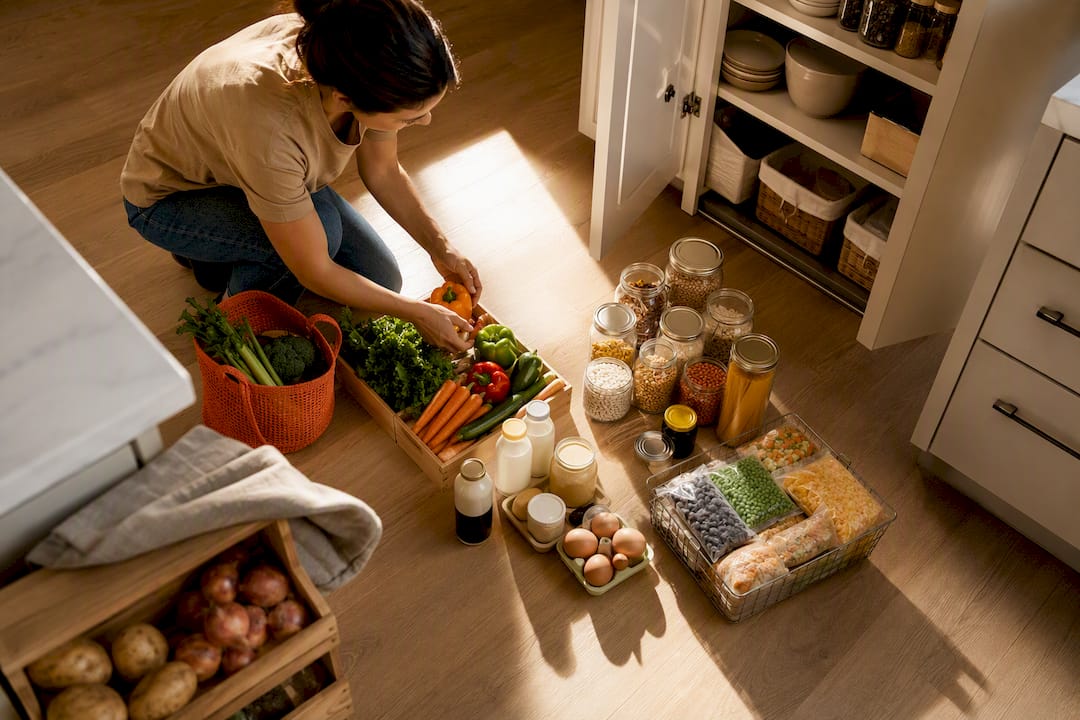
The fastest way to fix grocery list organization is to plan your meals for the week, spend five minutes checking your pantry, fridge, and freezer, then build your list ordered to match your store’s aisles. That sequence, backed by nutrition guidance from the Academy of Nutrition and Dietetics, cuts duplicate purchases and turns a 45 minute wander into a 15 minute loop. The checklist and step-by-step routine below show exactly how to do it.
TL;DR:
- Planning five to seven dinners and auditing your pantry before shopping reduces duplicate purchases and prevents impulsive buying.
- Organizing your grocery list by store categories and customizing it to your store’s layout minimizes backtracking and overall shopping time.
- Using apps with features like automatic sorting, recipe conversion, and shared lists can streamline the process but depend on your automation preference.
- Updating your list in real time and assigning household members to oversee it prevents missed items and maintains system accuracy week to week.
- Focusing on planning, auditing, and sorting significantly cuts both time and money, especially for weekly shopping trips for larger households.
Table of Contents
- A Checklist For Organizing Your Grocery List Right Now
- How Do You Build An Organized Grocery List From Scratch?
- Organizing Your List By Store Aisle (And Templates You Can Reuse)
- Which Grocery List Tools Actually Save You Time?
- Keeping Your System Accurate Week After Week
- What The Evidence Says About Planning And Organizing Lists
- When This System Actually Pays Off
- Let Dinner Roulette Pro Handle The List For You
- Sources
A Checklist For Organizing Your Grocery List Right Now
Print this or copy it into your notes app before your next trip:
- Plan five to seven dinners for the week so you’re not shopping blind.
- Audit your pantry, fridge, and freezer for what’s already on hand.
- Pull ingredients from each recipe and add exact quantities.
- Group everything by store category (produce, dairy, meat, and so on).
- Set a rough budget before you leave, not at checkout.
- Pick an off-peak shopping window to move through the store faster.
Each step removes a specific failure point: skipping the plan means impulse dinners, skipping the audit means buying a third jar of cumin, and skipping the aisle sort means backtracking through the whole store twice.
Pro Tip: Leave the empty box, wrapper, or nearly-finished bottle on the counter instead of tossing it right away. That physical trigger reminds you to add the item to your list the moment you notice it, instead of an hour later when it’s forgotten.
How Do You Build An Organized Grocery List From Scratch?
Start with the meal plan, not the list. Pick five to seven dinners for the week based on what your household actually eats, then pull every ingredient those recipes call for. This single move is what separates a reactive list from a planned one, and it’s the first step Academy of Nutrition and Dietetics guidance recommends before you write anything down.
Next comes the audit, and it takes about five minutes. Open the pantry, the fridge, and the freezer, and check what’s already there against what your recipes need. This step alone prevents the most common waste of money at the grocery store: buying something you already own because you forgot it was in the back of the cabinet.
From there, write specific items with quantities, not vague categories. “Chicken” turns into a mystery purchase; “2 lbs boneless chicken thighs” does not. Vague entries are the number one reason people end up back at the store two days later.
Once the list is written, reorganize it by category so it matches how the store is laid out:
- Produce
- Meat and seafood
- Dairy and eggs
- Bakery
- Pantry and dry goods
- Frozen
- Household and personal care
Add a quick note next to anything flexible, like a preferred brand, a size, or “get the on-sale one,” so substitutions don’t derail the trip.
Organizing Your List By Store Aisle (And Templates You Can Reuse)
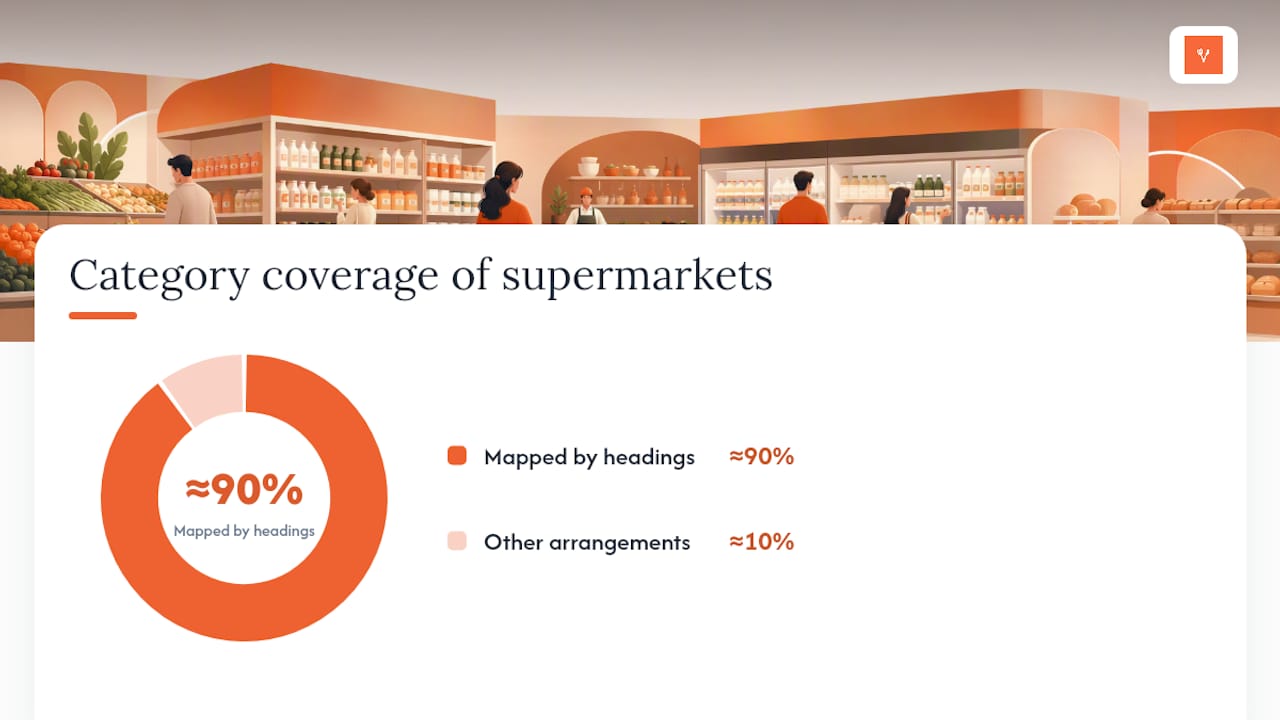
The category headings above map to roughly 90% of American supermarkets, which is why Instacart’s list of grocery categories uses nearly the same structure. But every store is arranged a little differently, and the real upgrade comes from customizing that order to your specific store.
On your next trip, walk your usual path and jot down the order you naturally pass through each section. Turn that into a permanent template. This single habit reduces backtracking and cuts down on impulse buys sitting in the aisles you’d otherwise cross twice, since a list ordered to your store’s real path keeps you moving in one direction instead of zigzagging.
You’ve got a few solid template formats to choose from:
- A printable sheet with category headers you fill in by hand each week.
- A laminated dry-erase version you wipe clean and reuse indefinitely, an approach highlighted in Not Getting Off This Train’s list-building guide.
- A phone note or app template you duplicate weekly.
One exception: if you’re ordering for pickup or delivery, aisle order stops mattering. Group by vendor category and delivery window instead, since you’re not the one walking the store. For an example format built around real recipes, Dinner Roulette Pro’s grocery list guide shows how ingredient-based lists translate into a category-sorted layout.
Which Grocery List Tools Actually Save You Time?
The right tool depends on how much automation you want. A phone’s default notes app works fine if you’re organized enough to sort categories manually. A dedicated grocery list app adds shared access and auto-sorting. A meal planning app goes further, turning recipes directly into a sorted list without you typing a single item.
Look for these features when comparing options:
- Shared lists that update in real time across everyone in the household.
- Automatic category sorting so you’re not manually reordering every week.
- Recipe-to-list conversion that pulls ingredients straight from a meal plan, a workflow explained in Dinner Roulette Pro’s recipe-to-shopping-list breakdown.
- Voice entry for adding items hands-free while cooking.
- Direct cart integration with a retailer for one-tap ordering.
Dinner Roulette Pro is one example of an app built around this full loop: it generates a recipe, applies dietary filters and allergy checks, and converts the result into a sorted shopping list. If you’d rather stay low-tech, a shared paper list stuck to the fridge does the same core job, just without the automatic sorting.
Keeping Your System Accurate Week After Week
A list only stays useful if it’s updated in real time, not reconstructed from memory on Saturday morning. Keep it somewhere visible, on the fridge, a shared app, wherever everyone in the house actually sees it, and add items the moment they run out.
A few habits keep the system from breaking down:
- Assign one household member to check the list before every trip so nothing’s missed.
- Block 10 to 20 minutes weekly to finalize the plan, scan store circulars for deals, and add pantry staples, a habit Instacart’s shopping guidance also recommends for staying on budget.
- Never shop hungry. It’s the single fastest way to blow past a planned list.
- Write specific quantities, not vague item names, to avoid repeat trips.
- Don’t skip the pantry audit, even when you’re in a rush. It’s the step most likely to get cut, and the one that saves the most money.
What The Evidence Says About Planning And Organizing Lists
The Academy of Nutrition and Dietetics recommends meal planning before writing a grocery list, pairing it with a pantry, fridge, and freezer audit to prevent duplicate purchases. Government nutrition resources reinforce the same order of operations, offering weekly menu templates and shopping guides built around planning before shopping, not during it.
Budgeting fits into this same routine. The USDA’s Economic Research Service tracks food expenditure trends, data that underscores why a planned, category-sorted list matters: unplanned trips and repeat runs are where grocery budgets quietly bleed out.
What ties all of this together:
- Plan meals before shopping, not after.
- Audit before you buy anything.
- Sort by category to shop in one pass.
- Track spending patterns to catch budget creep early.
When This System Actually Pays Off
The meal-plan-then-audit-then-sort method helps most when your week is genuinely packed and duplicate trips cost you real time, not just annoyance. If you shop once a week for a household of four, expect real savings in both minutes and dollars. If you shop daily for one person, the payoff shrinks. Either way, the biggest time loss isn’t the shopping itself. It’s the second trip you didn’t need to make.
— Jack
Let Dinner Roulette Pro Handle The List For You
This app is a shortcut for anyone who likes this workflow but doesn’t want to build it by hand every week. Spin the wheel, get a recipe with dietary filters and allergy checks already applied, and the ingredient list converts into a sorted shopping list automatically, no manual sorting, no forgotten items.
Here’s how the two approaches stack up:
| Step | Manual workflow | App-enabled workflow |
|---|---|---|
| Meal planning | Choose recipes yourself | Spin the wheel for a generated recipe |
| Ingredient list | Copy ingredients by hand | Auto-generated from the recipe |
| Category sorting | Sort items manually | Auto-sorted by category |
| Dietary filters | Check labels manually | Applied automatically |
| Ordering | Shop in-store from the list | One-tap ordering via Walmart or Instacart |
If you want the full breakdown before you commit to anything, the Dinner Roulette Pro shopping list guide walks through exactly how meals convert into sorted lists inside the app. Try a spin, generate a recipe, and see the shopping list build itself.
Sources
For deeper guidance, the Academy of Nutrition and Dietetics offers a full breakdown on creating a grocery list, and nutrition.gov’s shopping and meal planning hub provides free weekly menu templates. If your kitchen storage is part of the problem, One Day Doors & Closets’ pantry organization guide covers how to set up a pantry that makes audits faster. For turning recipes into lists automatically, see Dinner Roulette Pro’s recipe organization guide.
- Creating a Grocery List
- Food shopping and meal planning
- 17 Grocery List Categories to Make Shopping Easy – Instacart Ideas
- Food Expenditure Series — ERS, USDA