Two Hour Weekend Prep: 7 Day Keto Meal Planner for Busy Adults | Dinner Roulette Pro
September 13, 2026
Two Hour Weekend Prep: 7 Day Keto Meal Planner for Busy Adults
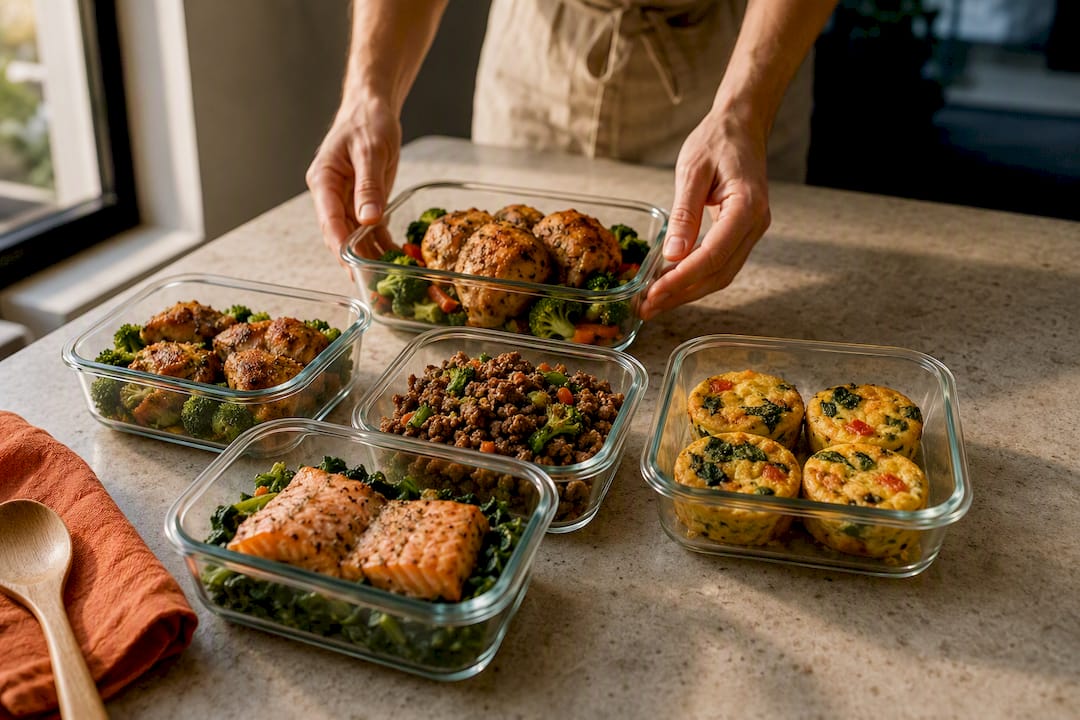
This keto meal planner gives you a ready-to-use 7-day menu, a matching grocery list, and prep tips that keep active cooking time under two hours. It’s built for beginners and busy adults who want the decisions made for them, with simple swaps to adjust portions and macros without starting over. Keep reading for the printable shopping list and how to customize it to your own kitchen.
TL;DR:
- The meal plan mainly relies on three core proteins—chicken thighs, ground beef, and salmon—rotated throughout the week to minimize grocery and waste.
- Batch-cooking methods and parallel oven and stovetop use keep active prep time under two hours for all meals.
- Reheating tips include microwaving beef and chicken with moisture and oven-reheating salmon at low temperatures to preserve texture.
- Adjust portions easily with a macro calculator and swap low-carb vegetables or proteins without affecting net carbs significantly.
- Electrolyte management is essential, emphasizing sodium intake through generous salting, bone broth, and magnesium to prevent keto flu.
Table of Contents
- Your 7-Day Keto Meal Plan at a Glance
- How to Adjust and Scale This Keto Meal Plan
- Recipes and Batch-Cook Instructions for the Week
- Your Weekly Grocery List, Organized by Aisle
- The Two-Hour Weekend Meal-Prep Workflow
- How Do I Track Macros Without Obsessing Over Every Bite?
- Keto Meal Planning for Special Diets and Lazy Keto
- Getting Electrolytes and Hydration Right on Keto
- Adjusting Your Plan During Adaptation and Weight Loss Stalls
- Staying Keto at Restaurants and Social Events
- How to Avoid Keto Diet Boredom
- Storing, Reheating, and Shelf Life for Prepped Meals
- What I Learned Testing This Plan for a Week
- Let Dinner Roulette Pro Build the Plan for You
- Sources
- FAQ
Your 7-Day Keto Meal Plan at a Glance
A weekly keto menu works best when it repeats a small set of proteins in different forms, so your grocery list stays short and your fridge doesn’t fill up with one-use ingredients. This sample week rotates three core proteins, chicken thighs, ground beef, and salmon, across breakfast, lunch, dinner, and snacks.
- Monday: Breakfast: two-egg scramble with spinach and cheddar (2g net carbs). Lunch: sheet-pan chicken thighs with broccoli (4g). Dinner: ground-beef taco bowl with lettuce, salsa, and sour cream (6g). Snack: string cheese and olives (1g).
- Tuesday: Breakfast: egg muffins with bacon (2g). Lunch: leftover chicken thighs over greens (3g). Dinner: creamy Tuscan salmon with zucchini noodles (5g). Snack: celery with almond butter (3g).
- Wednesday: Breakfast: Greek yogurt (unsweetened) with chia and berries (5g). Lunch: leftover salmon salad (4g). Dinner: cauliflower “rice” bolognese using leftover beef (7g). Snack: hard-boiled eggs (1g).
- Thursday: Breakfast: egg muffins, round two (2g). Lunch: bolognese leftovers (7g). Dinner: sheet-pan chicken thighs with green beans (4g). Snack: macadamia nuts (2g).
- Friday: Breakfast: scramble with avocado (3g). Lunch: chicken thigh lettuce wraps (3g). Dinner: seared salmon with roasted asparagus (4g). Snack: cucumber slices with cream cheese (2g).
- Saturday: Breakfast: yogurt bowl (5g). Lunch: taco bowl remix with new toppings (6g). Dinner: burger patties (no bun) with side salad (4g). Snack: pork rinds and guacamole (2g).
- Sunday: Breakfast: egg muffins (2g). Lunch: whatever protein is left, over greens (3g). Dinner: flex night, repeat a favorite from the week (5g). Snack: olives and cheese (1g).
Swap any lunch and dinner within the same protein family and the macros barely move. Trade broccoli for cauliflower, zucchini for green beans, or salmon for shrimp, and you keep the same net-carb range without recalculating anything.
How to Adjust and Scale This Keto Meal Plan
Standard keto usually targets 20 to 30 grams of net carbs a day, and this menu sits comfortably inside that band most days. If you’re following a looser or “lazy keto” version, you have more room to swap in higher-carb vegetables or a small serving of fruit.
Scaling portions is mostly a math problem, not a cooking problem. A cheap food scale and a macro calculator (Cronometer or MyFitnessPal both work fine) let you resize any recipe for your body size or activity level in under a minute.
- Protein swaps: chicken thighs, ground beef, salmon, shrimp, and eggs are roughly interchangeable by weight.
- Fat swaps: olive oil, avocado, butter, and mayonnaise cover most cooking and dressing needs.
- Vegetable swaps: stick to broccoli, cauliflower, zucchini, spinach, and green beans, all low-carb and prep-friendly.
Pro Tip: Weigh your protein raw, before cooking. Weighing after cooking loses moisture weight and throws off your macro math by 10 to 20 percent.
Recipes and Batch-Cook Instructions for the Week
None of these recipes needs more than 20 minutes of hands-on attention. The trick is cooking components in parallel, not one dish at a time.
- Sheet-pan chicken thighs: Toss bone-in thighs with olive oil, salt, garlic powder, and paprika. Roast at 425°F for 35 to 40 minutes alongside a tray of broccoli or green beans. Active time: 10 minutes. Batch-cook all six thighs at once. Roughly 320 calories, 22g fat, 30g protein, 1g net carbs per thigh.
- Creamy Tuscan salmon: Sear salmon fillets skin-down for 4 minutes per side, then simmer in a pan sauce of heavy cream, garlic, sun-dried tomatoes, and spinach for 5 minutes. Active time: 15 minutes. Roughly 420 calories, 30g fat, 34g protein, 4g net carbs per serving.
- Ground-beef taco bowl: Brown 80/20 ground beef with taco seasoning while the oven runs. Serve over shredded lettuce with salsa, sour cream, and shredded cheese. Active time: 10 minutes. Batch-cook the full pound at once. Roughly 450 calories, 34g fat, 28g protein, 5g net carbs per serving.
- Egg muffins: Whisk eggs with diced bacon, cheese, and spinach; bake in a muffin tin at 350°F for 18 minutes. Active time: 8 minutes for a dozen. Roughly 90 calories, 7g fat, 6g protein, 1g net carbs per muffin.
- Cauliflower “rice” bolognese: Simmer leftover ground beef with crushed tomatoes and Italian herbs, then serve over riced cauliflower sautéed in butter. Active time: 12 minutes. Roughly 380 calories, 26g fat, 27g protein, 6g net carbs per serving.
Cook the chicken thighs and vegetables in the oven while the ground beef browns on the stovetop. That parallel sequencing is what actually cuts active prep time to under two hours for the entire week, not a single fancy shortcut ingredient.
Your Weekly Grocery List, Organized by Aisle
A grocery list matched to the plan above means one trip, not three. Here’s what fills your cart.
- Meat and seafood: bone-in chicken thighs, 80/20 ground beef, salmon fillets, bacon.
- Produce: broccoli, cauliflower (pre-riced if available), zucchini, spinach, green beans, avocado, cucumber, lettuce, asparagus.
- Dairy and eggs: two dozen eggs, heavy cream, shredded cheddar, sour cream, cream cheese, Greek yogurt (unsweetened).
- Pantry staples: olive oil, butter, taco seasoning, garlic powder, paprika, sun-dried tomatoes, crushed tomatoes, macadamia nuts, almond butter, pork rinds, olives.
Keep almond flour, coconut flour, and a low-carb sweetener on hand for the weeks you want a baked side or dessert. Pre-riced cauliflower and a rotisserie chicken from the deli counter both shave real minutes off active prep when your week gets tight.
The Two-Hour Weekend Meal-Prep Workflow
Order of operations matters more than any single recipe. Following it in sequence is how you get five meals done in about two hours instead of cooking in scattered bursts all week.
- Preheat the oven to 425°F and start the chicken thighs and vegetables roasting first, since they take the longest.
- While the oven runs, brown the ground beef on the stovetop and season it.
- Bake the egg muffins in a second oven rack, or right after the chicken comes out.
- Sear the salmon last, since it only needs about 8 minutes and holds up best fresh or lightly reheated.
- Portion everything into containers once it’s cooled slightly, to avoid trapping steam that turns vegetables soggy.
Pro Tip: Undercook your vegetables by a minute or two before storing. They’ll finish softening slightly in the fridge and during reheating, so they won’t turn mushy by day four.
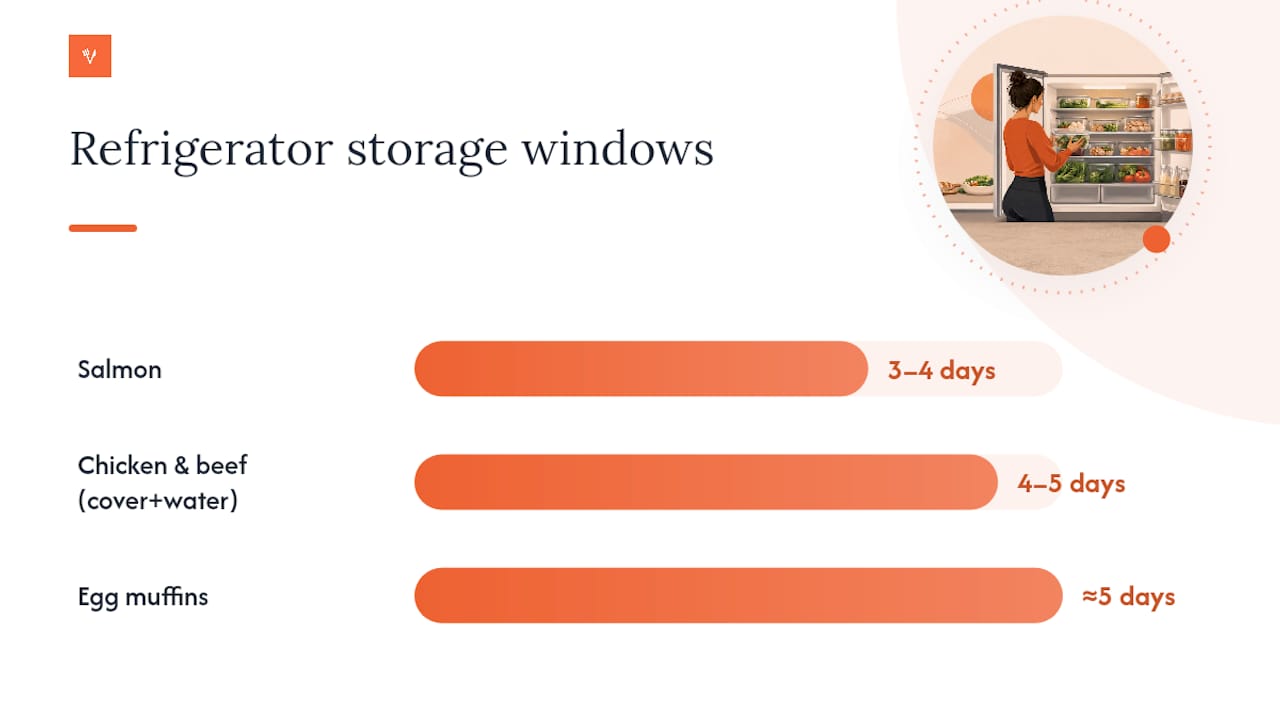
Storage windows vary by protein: chicken and beef dishes generally hold for 4 to 5 days in the fridge, salmon is best within 3 to 4 days, and egg muffins keep close to 5 days. Reheat chicken and beef covered, with a splash of water or broth, to keep them from drying out.
How Do I Track Macros Without Obsessing Over Every Bite?
Most meals in this plan land between 1 and 7 grams of net carbs, which keeps a full day comfortably under the 20 to 30 gram target common on standard keto. You don’t need to weigh and log everything forever to stay in range.
- Read labels for “net carbs” by subtracting fiber (and half of sugar alcohols) from total carbohydrates.
- Watch for hidden carbs in sauces, salad dressings, and seasoning blends, common places sugar sneaks in.
- Track just one meal a day for a week to calibrate your eye, then eyeball portions using consistent containers.
- Let an app handle the math automatically if manual logging feels like a chore.
Keto Meal Planning for Special Diets and Lazy Keto
You don’t need to abandon this structure just because you’re vegetarian, dairy-free, or simply want less cooking.
- Lazy keto: Skip precise logging and focus only on staying near 20 to 30 grams of net carbs a day. A lazy-keto approach leans on rotisserie chicken, pre-made salads, and cheese-and-nut snacks instead of full recipes.
- Vegetarian: Swap chicken and beef for extra-firm tofu, tempeh, or a mix of eggs and full-fat dairy to hit protein targets.
- Dairy-free: Replace butter and cream with olive oil, coconut cream, or avocado, and use nutritional yeast in place of shredded cheese for a savory finish.
Keep the same ratio of protein, fat, and low-carb vegetables on your plate after any swap, and the plan’s macro balance holds steady.
Getting Electrolytes and Hydration Right on Keto
Cutting carbs drops your insulin levels, which signals your kidneys to release more sodium and water than usual. That’s why the first week of keto often brings headaches, fatigue, or muscle cramps, commonly nicknamed the “keto flu,” and it’s almost always an electrolyte issue, not a sign something’s wrong.
Sodium is the big one. Most people on keto need more salt than they think, often an extra substantial amount beyond what a typical diet provides. Salting food generously, sipping bone broth, or adding a pinch of salt to water covers most of that gap.
Potassium and magnesium matter too. Avocado, leafy greens, and salmon (all already in this meal plan) contribute meaningfully, but a magnesium supplement in the evening helps many people sleep better and cramp less during the first two weeks.
Hydration needs typically go up on keto since you’re shedding water weight early on. Drinking water throughout the day, rather than a large amount at once, keeps you ahead of thirst instead of chasing it. If you take medication for blood pressure or a chronic condition, check with your doctor before increasing sodium intake, since keto’s fluid shifts can change how some medications behave.
Adjusting Your Plan During Adaptation and Weight Loss Stalls
The first 7 to 14 days are the hardest, and that’s exactly when this plan’s repeat proteins earn their keep. Keto adaptation, the shift from burning glucose to burning fat and ketones for fuel, usually takes one to three weeks, and low energy or brain fog during that window is normal, not a sign the plan has failed.
If a scale stall hits after the initial water-weight drop, usually around week three or four, it doesn’t automatically mean something’s wrong with your macros. Common culprits include creeping portion sizes, an increase in “keto-friendly” snacks that add up, or a lack of sleep affecting hunger hormones.
Try these adjustments in order before overhauling anything: tighten portions back to your original food-scale measurements for a week, cut snacking between meals, and check that net carbs haven’t drifted upward through sauces or nuts. If the stall persists past three or four weeks despite those checks, it may be worth adjusting total calories rather than carbs specifically. Avoid dropping net carbs far below 20 grams a day as a fix. It rarely speeds things up and makes the plan harder to sustain.
Staying Keto at Restaurants and Social Events
Eating out doesn’t have to break your week. Grilled protein, a side salad, and a swap from fries to extra vegetables covers the vast majority of restaurant menus, from steakhouses to Mexican food (skip the tortilla, keep the fajita filling).
At Mexican restaurants, ask for a bowl instead of a burrito. At Italian spots, order protein with a side of vegetables instead of pasta, or ask if they’ll swap in a salad. Sushi restaurants offer sashimi and seaweed salad without the rice.
For parties and gatherings, eating a small keto-friendly snack (like the string cheese and olives from this plan) before you arrive takes the pressure off making perfect choices in the moment. Bringing a dish you know fits, like a cheese board or a big salad, guarantees at least one option that works.
Alcohol is the trickiest part socially. Dry wine, or spirits with a zero-carb mixer like soda water, keep you closest to your carb target; beer and sweet cocktails are the biggest hidden carb sources at any social event.
How to Avoid Keto Diet Boredom
Repeating three core proteins saves time, but eating the exact same flavors every week is how people quit. The fix isn’t more recipes, it’s more seasoning variety on the same base ingredients.
Rotate sauces and spice blends across the same proteins: Cajun seasoning one week, a Greek lemon-oregano marinade the next, a Thai-inspired peanut-free sauce using almond butter and coconut aminos after that. The chicken thighs and ground beef in this plan can wear a completely different flavor each week without changing your grocery list.
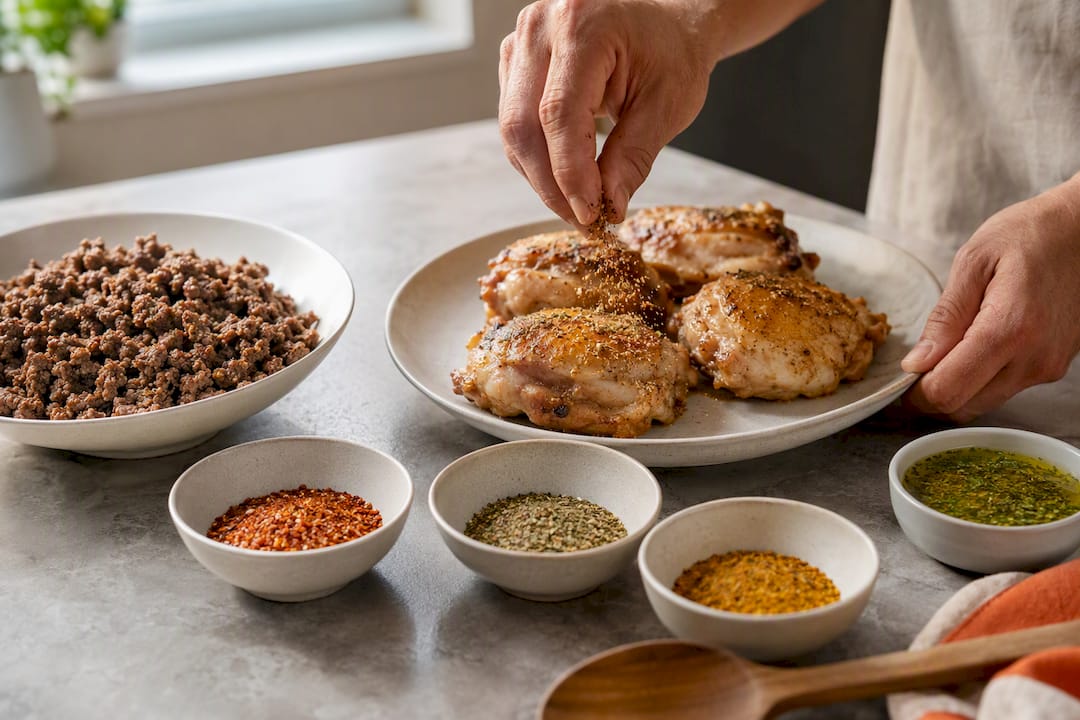
Texture variety helps too. Swap a taco bowl for lettuce wraps, or turn ground beef into stuffed bell peppers instead of a bolognese. Small format changes make familiar ingredients feel new.
Give yourself one “flex” dinner a week, like Sunday in this plan, where you’re free to try a new keto recipe entirely or repeat whichever meal was the week’s favorite. That single flexible slot keeps the other six days easy to autopilot without the whole week feeling repetitive.
Storing, Reheating, and Shelf Life for Prepped Meals
Cooked chicken thighs and ground beef dishes keep 4 to 5 days refrigerated in airtight containers, salmon holds for 3 to 4 days, and egg muffins stay good for about 5 days, based on standard meal-prep storage guidance. Freezing extends any of these by two to three months, though cream-based sauces like the Tuscan salmon can separate slightly on thawing.
Reheat chicken and beef in the microwave covered, with a splash of water or broth, to restore moisture. Salmon reheats better in a low oven, around 275°F for 8 to 10 minutes, than in the microwave, which tends to overcook it and dry out the edges. Egg muffins reheat fine straight from cold or with a quick 30-second microwave zap.
Let food cool for about 10 to 15 minutes before sealing containers. Trapping steam in a closed container is the single biggest reason prepped vegetables turn soggy by midweek.
What I Learned Testing This Plan for a Week
Cooking the chicken and ground beef in parallel really did keep active time under two hours for the whole week, the oven and stovetop running at once made the biggest difference, not any single recipe trick. The egg muffins were the surprise favorite: five minutes of prep, five days of grab-and-go breakfast.
If manually building a week like this feels like too much, Dinner Roulette Pro’s spin-and-generate approach and neurodivergent-friendly SafeMode can take that decision off your plate entirely on low-energy days.
— Jack
Let Dinner Roulette Pro Build the Plan for You
This type of app can be a shortcut for anyone who read this whole plan and thought, “I still don’t want to build my own grocery list.” By setting dietary restrictions and allergy checks once, the app can generate full recipes with ingredients, nutrition information, and a matching shopping list automatically, requiring no manual macro math.
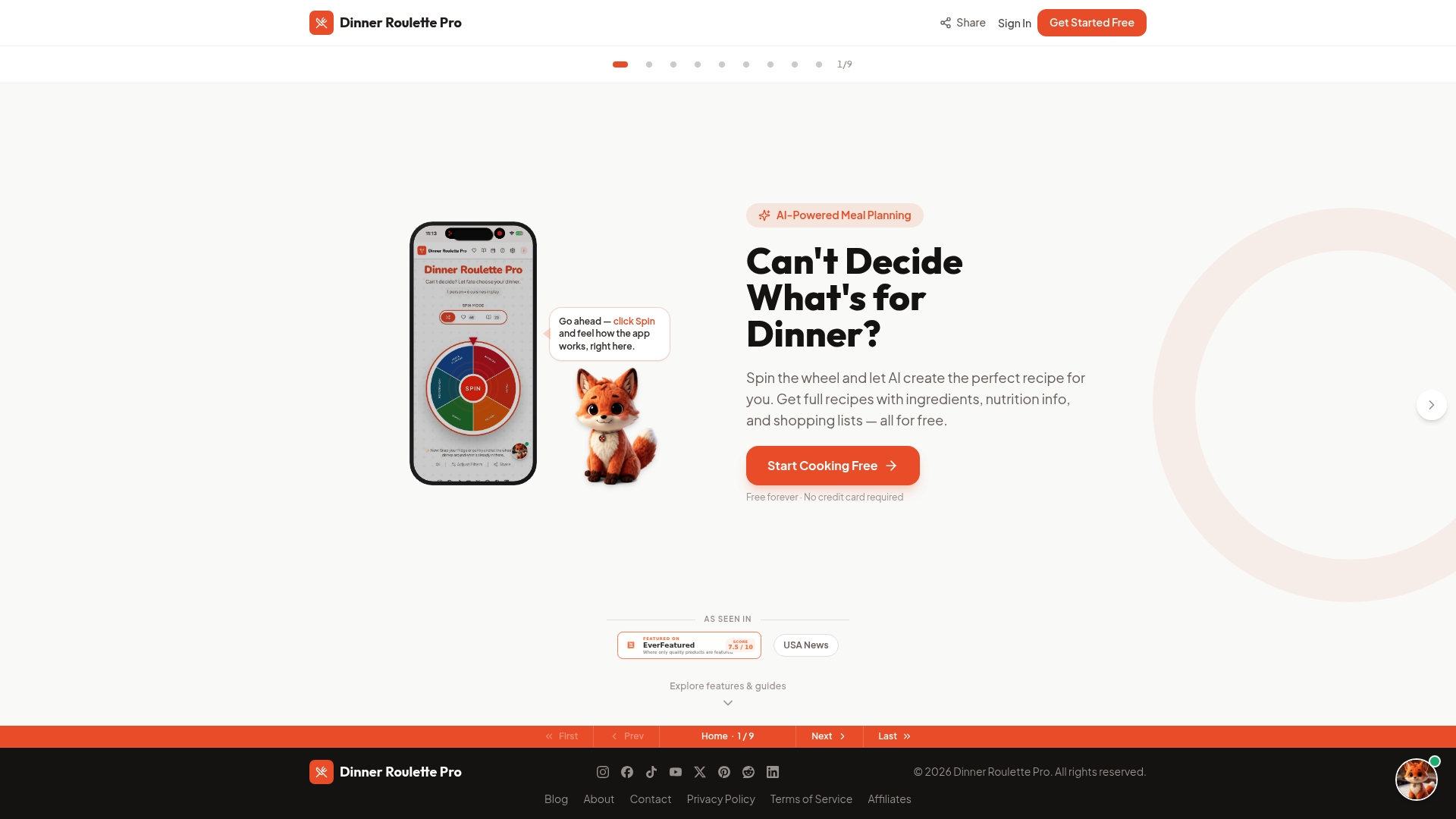
That automation replaces exactly the two steps that eat the most time in DIY keto planning: figuring out what to cook and building the grocery list around it. Portions scale automatically too, so a recipe built for one person adjusts cleanly for a family of four without you touching a calculator. When you’re ready to shop, the shopping list exports straight into Walmart or Instacart for one-tap ordering. If you’d rather import and organize recipes you already love inside the app, start with the recipe organization guide.
Sources
- Keto Meal Prep For The Week: 5 Meals In 2 Hours
- Harvard T.H. Chan School of Public Health: The ketogenic diet
This article is general information, not a substitute for advice from a qualified doctor. Consult a qualified healthcare professional about your own circumstances before acting on anything here.
FAQ
What Is the “2 2 2 2” Rule on Keto?
There’s no single medically recognized “2 2 2 2” rule; the phrase is used loosely online to describe drinking 2 liters of water, walking or exercising, and hitting rough macro checkpoints. Treat it as a casual mnemonic, not a clinical guideline, and lean on net-carb targets and electrolyte intake instead.
What Should I Eat the First Week of Keto?
Focus on simple, repeatable meals like eggs, fatty proteins (chicken thighs, salmon, ground beef), and low-carb vegetables, while salting food generously to manage the early electrolyte shift. The sample plan above is designed specifically for that first-week adjustment period.
Can I Lose 20 Pounds in a Month With Keto?
Individual results vary widely and depend on starting weight, activity level, and adherence, so a specific number like that isn’t a realistic guarantee for most people. Early weight loss on keto is often water weight; sustainable fat loss tends to happen more gradually over subsequent months.
What Condiment Has No Carbs?
Mayonnaise, mustard, and hot sauce are typically at or near zero net carbs per serving, making them safe defaults for the meals in this plan. Always check the label, since some brands add sugar to sauces like ketchup or barbecue sauce.
How Do I Customize This Meal Plan for My Own Preferences?
Swap proteins and vegetables within the same macro family, as outlined in the customization section above, or use a tool like Dinner Roulette Pro to generate personalized recipes automatically based on your dietary restrictions and allergy needs.