Six Low-Histamine Dinners You Can Make Tonight | Dinner Roulette Pro
August 17, 2026
Six Low-Histamine Dinners You Can Make Tonight
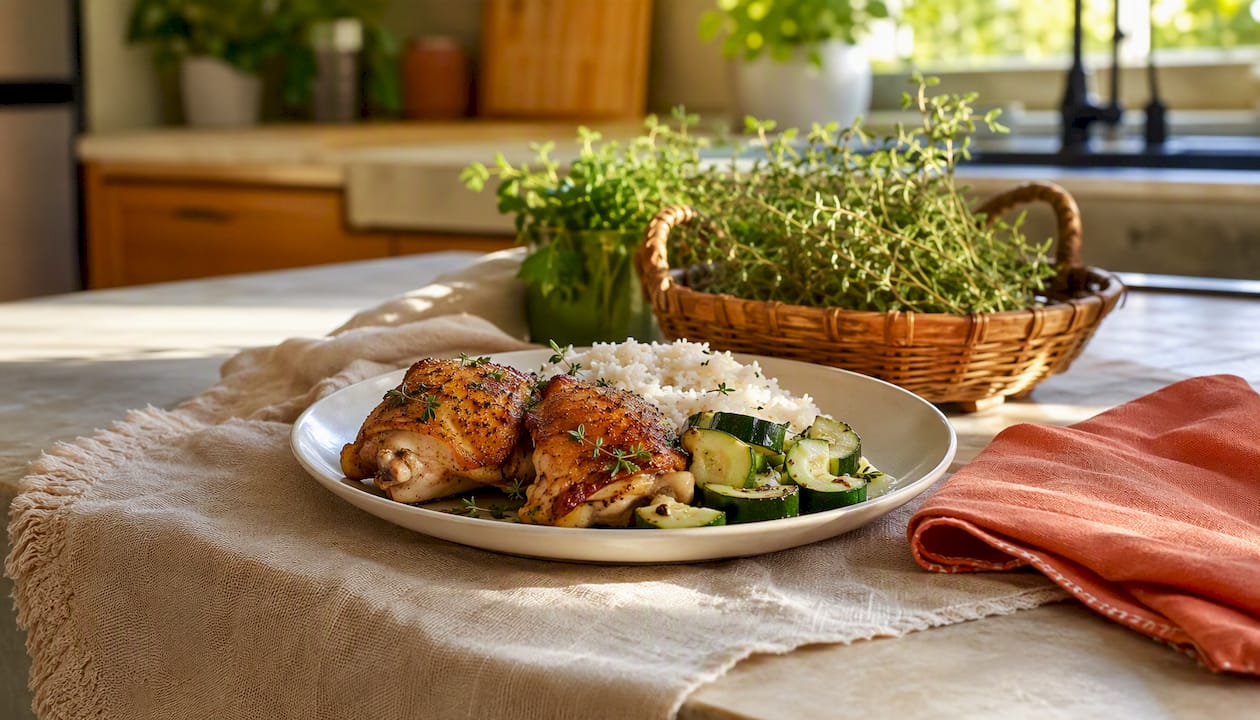
Six dinners work tonight without triggering histamine symptoms: fresh chicken with rice and steamed broccoli, flash-frozen white fish with a baked potato and green beans, a turkey quinoa bowl with steamed carrots, a zucchini and egg skillet with plain toast, a baked sweet potato with butter and steamed greens, and a simple cod skillet with steamed zucchini. Every one of them follows the same underlying logic: fresh protein, gentle cooking, no aged or fermented ingredients, and food that goes from stove to plate to mouth without a stopover in the fridge.
That last point matters more than any single ingredient choice. Fresh, whole foods are generally lowest in histamine, while aged, fermented, cured, smoked, or canned items sit at the top of most trigger lists. Bacteria break down the amino acid histidine into histamine over time, so a chicken breast cooked and eaten in the same hour behaves very differently than the same chicken breast reheated three days later.
Two more rules make these six dinners reliably safe. First, cook proteins the same day you buy them, or freeze them the moment you get home. Second, finishing dinner two to three hours before bed tends to cut down on nighttime flushing, restlessness, and other symptoms, since your body processes histamine less efficiently while you sleep. Keep portions moderate on nights when symptoms are already flaring. A smaller, simpler plate beats a large one every time.
Key Takeaways
A low-histamine dinner works when the protein is fresh, the cooking is gentle, and the plate gets eaten within a couple of hours instead of sitting in the fridge for days.
| Point | Details |
|---|---|
| Cook fresh, eat fast | Prepare protein the day you buy it and eat within two to three hours of cooking. |
| Freeze extras immediately | Portion leftovers into single servings and freeze the same day rather than holding them in the fridge. |
| Keep dinner light when symptoms flare | Choose simpler plates like eggs or baked sweet potato over heavier casseroles during active symptoms. |
| Rotate 4-6 go-to dinners | A small rotation of trusted recipes prevents both boredom and accidental trigger foods. |
| Use Dinner Roulette Pro for planning | The app generates low-histamine recipes with shopping lists and freeze-friendly batch sizing built in. |
Table of Contents
- Low-Histamine Dinner Recipes You Can Cook Tonight
- Pantry and Fridge Staples for Low-Histamine Dinners
- Fast Weeknight Dinners That Stay Low-Histamine
- How Long Can You Store Low-Histamine Leftovers?
- Turning Common Recipes Into Low-Histamine Dinners
- Why Clinicians Treat This as a Temporary Reset, Not a Life Sentence
- Symptoms and Timing to Watch For After Dinner
- Cooking Low-Histamine Dinners Without Losing the Joy of Cooking
- Let Dinner Roulette Pro Handle the Low-Histamine Guesswork
- Sources
Low-Histamine Dinner Recipes You Can Cook Tonight
These ten recipe cards cover meat, fish, eggs, and vegetarian options, and every one leans on the same three tricks: fresh ingredients, short cook times, and gentle heat instead of long simmering or charring.
1. Herb-Roasted Chicken Thighs with Rice Ingredients: 4 fresh chicken thighs, 1 cup rice, olive oil, fresh parsley, salt. Cook time: 35 minutes. Servings: 3-4. Season thighs with salt and olive oil, roast at 400°F for 30 minutes, then serve over rice topped with chopped parsley. Swap tip: use jasmine rice if you want a softer texture than long-grain.
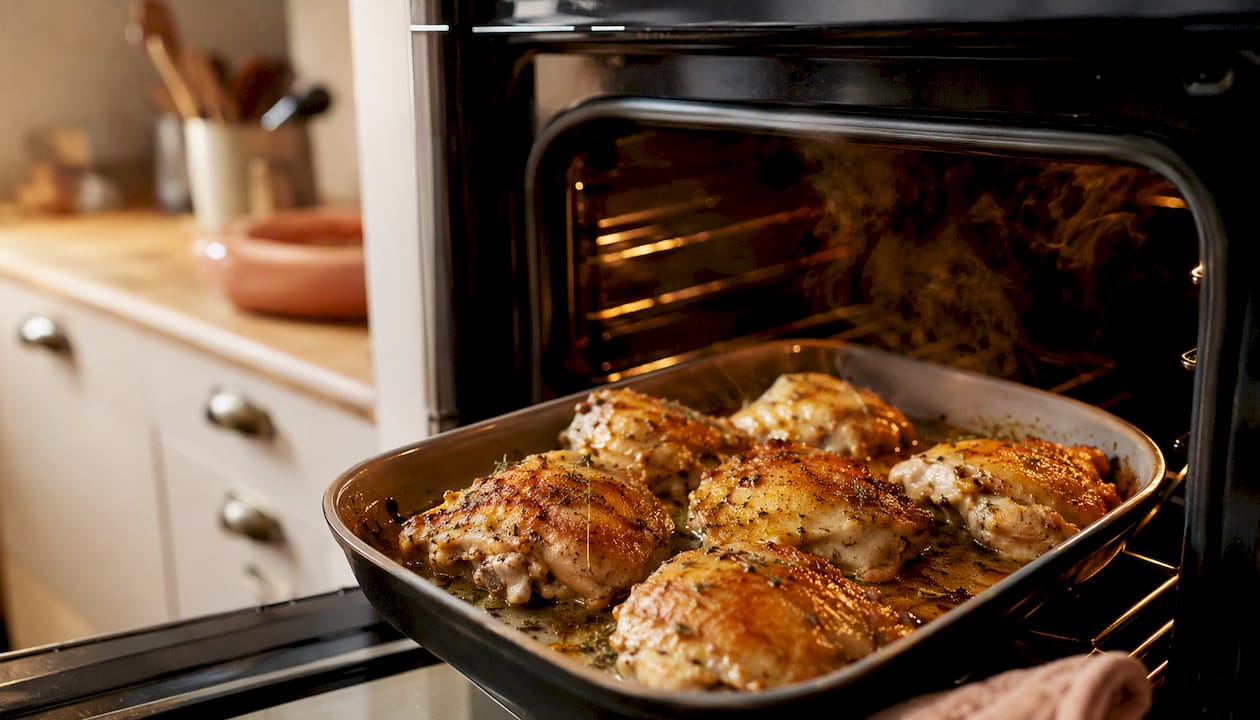
2. Flash-Frozen Cod with Baked Potato Ingredients: 2 cod fillets (flash-frozen), 2 russet potatoes, olive oil, dill. Cook time: 30 minutes. Servings: 2. Bake potatoes at 425°F for 25 minutes, pan-sear cod in olive oil for 4 minutes per side, and finish with fresh dill. Swap tip: trout works the same way if cod isn’t available.
3. Turkey and Quinoa Bowl Ingredients: 1 lb ground turkey, 1 cup quinoa, carrots, olive oil. Cook time: 25 minutes. Servings: 3. Brown turkey in a skillet, steam sliced carrots separately, and combine both over cooked quinoa. High-protein, lighter evening meal that still feels substantial.
4. Zucchini and Egg Skillet Ingredients: 3 eggs, 1 zucchini, olive oil, plain bread for toast. Cook time: 15 minutes. Servings: 1-2. Sauté sliced zucchini until soft, push to one side, scramble eggs in the same pan, and serve with plain toast. Fastest option on this list.
5. Baked Sweet Potato with Steamed Greens Ingredients: 2 sweet potatoes, butter, steamed collard or kale greens. Cook time: 40 minutes (mostly hands-off). Servings: 2. Bake sweet potatoes whole, split and top with butter, and pair with quickly steamed greens. A solid vegetarian option with fiber.
6. Cod and Zucchini Skillet Ingredients: 2 cod fillets, 1 zucchini, olive oil, lemon (if tolerated). Cook time: 20 minutes. Servings: 2. Pan-sear cod, remove, then sauté sliced zucchini in the same pan for a one-dish cleanup. A light squeeze of lemon adds brightness for those who tolerate it.
7. Simple Bison Skillet with Rice Ingredients: 1 lb ground bison, 1 cup rice, fresh herbs. Cook time: 25 minutes. Servings: 3. Bison is higher in protein but spoils faster than chicken, so cook it the day you buy it and never hold leftovers more than a day. Serve over rice with fresh herbs stirred in at the end.
8. Poached Chicken and Steamed Carrots Ingredients: 2 chicken breasts, carrots, olive oil, salt. Cook time: 25 minutes. Servings: 2. Poach chicken gently in water for 18 minutes, slice thin, and serve alongside steamed carrots drizzled with olive oil. Gentle cooking keeps amine formation low.
9. Lamb Chops with Roasted Cauliflower Ingredients: 4 lamb chops, 1 head cauliflower, olive oil, rosemary. Cook time: 30 minutes. Servings: 2. Roast cauliflower at 425°F while pan-searing lamb chops 3 minutes per side. Buy lamb the same day you plan to cook it; it’s another protein that loses its low-histamine advantage quickly if stored too long.
10. Baked Chicken and Rice Casserole Ingredients: fresh chicken, rice, quick-cooked broth, carrots. Cook time: 45 minutes. Servings: 4. Combine raw chicken, rice, and broth in a baking dish, cover, and bake at 375°F for 40 minutes. This casserole stores safely in the fridge for up to three days when cooled and sealed properly, making it one of the few dishes on this list built for planned leftovers.
Pro Tip: Fresh herbs, a drizzle of good olive oil, and a light hand with lemon (if you tolerate it) do more for flavor than any sauce or marinade, and none of them carry histamine baggage.
Cooking method matters almost as much as ingredient choice. Gentle methods like steaming, poaching, and baking limit amine formation far more reliably than long-simmered broths or high-heat charring, which is why every recipe above sticks to short, direct heat.
Pantry and Fridge Staples for Low-Histamine Dinners
A stocked kitchen removes most of the guesswork on a weeknight. Keep these on hand and you’ll rarely be stuck without a safe option.
- Fresh pasture-raised chicken and turkey, bought in small quantities you’ll use within a day or two
- Flash-frozen white fish like cod or trout, since flash-freezing at sea often locks in a lower histamine level than fish that’s been sitting on ice at the counter
- Fresh eggs, one of the most reliable low-histamine proteins available
- White and sweet potatoes, rice, and quinoa as your carbohydrate base
- Olive oil and fresh herbs like parsley and dill for flavor without additives
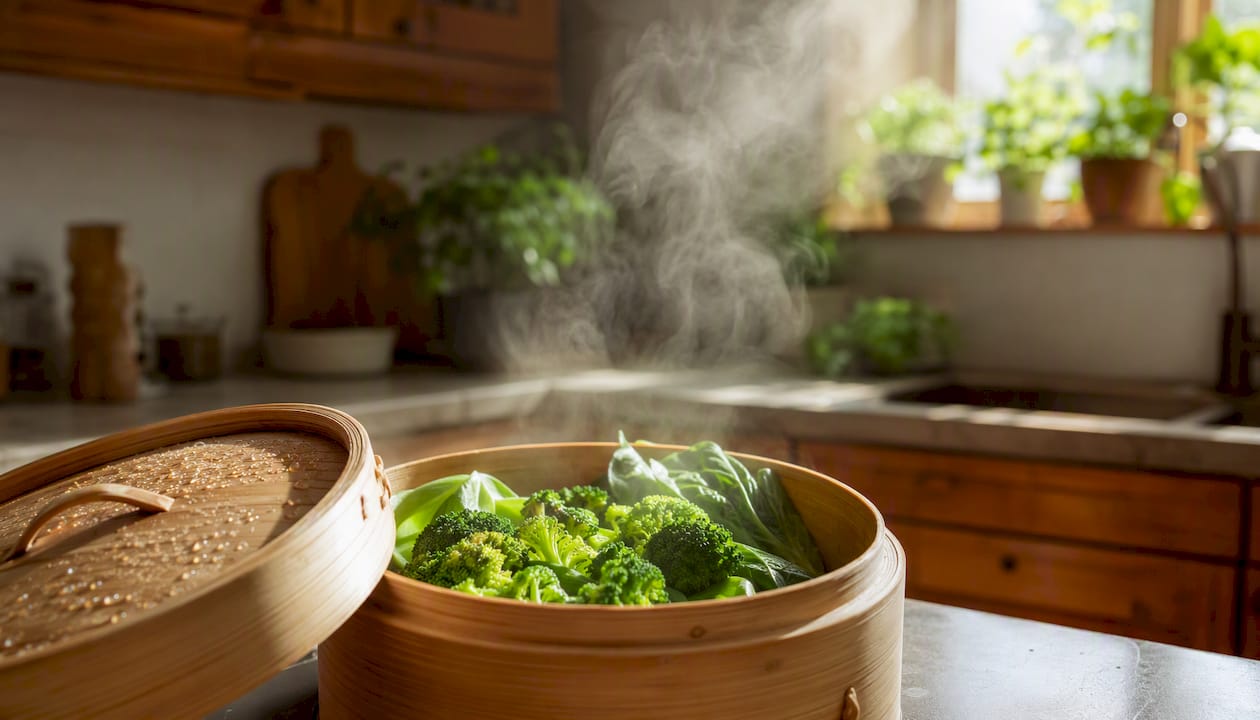
- Low-histamine vegetables: zucchini, carrots, broccoli, cauliflower, and cucumbers
- Pears and a small rotation of other well-tolerated fruits
When you shop, buy proteins fresh and freeze anything you won’t cook within 24 hours. Flash-frozen fish is frequently a smarter default than “fresh” fish that’s been transported and displayed for hours before you buy it. Read labels carefully, too. Vinegar, soy sauce, and yeast extracts hide in sauces, dressings, and even some spice blends, and they’re all common histamine triggers that don’t announce themselves on the front of the package.
Balancing nutrition while staying low-histamine doesn’t require much extra effort. Iron comes easily from fresh poultry and leafy greens; fiber comes from sweet potatoes, quinoa, and steamed vegetables. You’re not sacrificing a balanced plate, just being more deliberate about freshness.
Fast Weeknight Dinners That Stay Low-Histamine
Busy nights are where most histamine mistakes happen, usually because reheated leftovers or convenience foods sneak onto the plate. These plates work in under 40 minutes and keep the same core logic: cook it fresh, eat it fast.
- Skillet chicken breast, quick-steamed broccoli, and a scoop of rice, all done in one pan and one pot.
- Cod fillet with a microwaved potato and blanched green beans, ready in about 20 minutes total.
- Scrambled eggs, plain toast, and lightly sautéed zucchini, arguably the fastest dinner on this entire list.
- Ground turkey browned with olive oil, served over quinoa with steamed carrots on the side.
- Poached chicken sliced thin over rice, with a side of roasted cauliflower.
- One-skillet lemon chicken with summer squash, a quick method that keeps the meal fresh rather than held and works well for anyone who tolerates a small amount of lemon.
- Baked sweet potato paired with steamed greens for a fast vegetarian night.
- Bison patty with a quick side salad of cucumber and olive oil, cooked the same day it’s purchased.
Speed up the workflow by cooking your protein last, not first. Vegetables can sit for a few minutes after steaming, but chicken, fish, and bison lose their advantage the longer they wait on the counter. Eat as soon as the plate is assembled. On nights when symptoms are already active, cut portions down and lean toward the lighter options, like the egg skillet or baked sweet potato, rather than a heavier casserole.
How Long Can You Store Low-Histamine Leftovers?
Storage mistakes turn a perfectly safe dinner into a histamine problem days later. Histamine accumulates through bacterial breakdown of histidine, and that process speeds up with time and temperature abuse, which means the clock starts the moment food comes off the heat.
| Food Type | Fridge Limit | Freezer Limit |
|---|---|---|
| Cooked poultry (chicken, turkey) | Same day is best; up to 3 days if cooled and sealed quickly | Up to 1 month for best quality |
| Baked chicken and rice casserole | Up to 3 days, airtight, cooled completely first | Up to 1 month |
| Cooked fish (cod, trout) | Same day recommended | Up to 1 month, avoid refreezing |
| Steamed or roasted vegetables | 1-2 days | Up to 1 month |
Cool cooked food quickly rather than letting it sit at room temperature. Portion it into single servings and freeze most of it immediately rather than storing five days’ worth in the fridge. Freezing extra portions right after cooking is the most reliable way to lock in a meal’s low-histamine state, and reheating from frozen is often safer than pulling something out of the fridge that’s been sitting for three or four days.
Pro Tip: Freeze single-serve portions in flat, labeled bags the day you cook. A flat bag thaws faster and more evenly than a deep container, so dinner three weeks from now reheats almost as fresh as it was the night you made it.
Recipe-testing notes from experienced low-histamine cooks consistently point out that even foods considered safe can turn problematic after several days in the fridge. Cook fresh, eat fresh, or freeze fast. There’s no fourth option that reliably works.
Turning Common Recipes Into Low-Histamine Dinners
Most family recipes can be adapted without losing what makes them enjoyable. The trick is knowing which ingredients are doing the heavy lifting on flavor and which ones are just histamine landmines in disguise.
- Swap tomato sauce for olive oil with fresh herbs, or a puree of steamed low-histamine vegetables like zucchini and carrots.
- Skip aged cheese entirely, or use a small amount of a fresh, mild alternative if you tolerate dairy.
- Replace soy sauce with coconut aminos or plain salt for that savory depth.
- Trade long-simmered broths for a quick meat broth or plain water simmered briefly with fresh herbs.
- Avoid vinegar-based dressings, fermented condiments, and yeast extracts, all classic hidden triggers on ingredient labels.
Pasta night is easier to save than most people expect. Use rice or corn pasta instead of standard wheat pasta if you’re also avoiding gluten, toss it with olive oil, garlic powder if you tolerate it, fresh parsley, and steamed zucchini. It won’t taste identical to a marinara-heavy plate, but it holds its own, and it won’t leave you dealing with symptoms two hours later.
For seasoning, lean on fresh herbs and mild spices rather than anything fermented or vinegar-based. A little fresh lemon works for people who tolerate citrus. Garlic and onion powder, used in moderation, add depth without the fermentation risk that comes with some pre-made spice blends.
Why Clinicians Treat This as a Temporary Reset, Not a Life Sentence
Most clinicians frame a low-histamine approach as a short, symptom-guided reset rather than something you follow forever. The goal is usually to calm gut inflammation or imbalance first, then reintroduce foods carefully to figure out which ones actually cause trouble for you specifically.
Dietary strategies are one tool among several for managing histamine-related symptoms, and clinical evaluation matters most when symptoms are severe, unusual, or don’t improve with diet changes alone.
That framing comes from how mast cell activation syndrome (MCAS) overviews describe treatment. MCAS and histamine intolerance overlap but aren’t identical conditions, and diet alone rarely solves either one completely on its own.
Reintroduction typically follows a pattern: pick one food, eat a small amount, wait a couple of days, and track any symptoms before moving to the next food. Some practitioners recommend a reset period of a few weeks before starting this process, though the right length varies by person and severity. Keeping a simple symptom journal, noting what you ate, when, and how you felt afterward, makes patterns much easier to spot than trying to remember three weeks later whether the flushing started after dinner or after a snack.
Seek a clinician or dietitian if symptoms are severe, if they don’t improve after a genuine reset period, or if you’re dealing with anything beyond mild digestive discomfort or occasional flushing. Diet changes work best alongside professional guidance, not as a replacement for it.
An app that lets you track what you ate against how you felt, and personalize recipes around your specific tolerances, mirrors exactly what this reintroduction process asks for. That kind of structured tracking is part of what makes personalized dietary planning genuinely useful instead of just another spreadsheet you abandon after a week.
Symptoms and Timing to Watch For After Dinner
Histamine reactions after dinner tend to show up in a fairly predictable window, usually within 30 minutes to two hours of eating, though some people notice delayed effects overnight. Common symptoms include facial flushing, headache, hives or itching, digestive discomfort, a racing heart, or nasal congestion that seems to come out of nowhere.
Nighttime symptoms deserve special attention because the body processes histamine less efficiently overnight, which is part of why a heavy, late dinner can trigger restlessness or waking up flushed even when the same meal at noon caused no problem at all. If you notice a pattern where dinner reliably causes worse symptoms than breakfast or lunch, timing and portion size are worth adjusting before you start eliminating more foods.
Keep a simple mental note, or a written one, of what triggered symptoms and how quickly they appeared. A reaction within 30 minutes points toward something in that specific meal. Something that shows up hours later, closer to bedtime, might point toward cumulative histamine load built up over the whole day rather than one single culprit at dinner.
Cooking Low-Histamine Dinners Without Losing the Joy of Cooking
Sticking to a low-histamine diet can start to feel like cooking with one hand tied behind your back, especially in the first few weeks when every familiar recipe seems to have a trigger hiding somewhere in it. The way through isn’t more restriction. It’s rotation.
Pick four to six go-to dinners you actually enjoy and rotate through them without overthinking each night. Use the freezer as your ally rather than an afterthought. A batch of frozen single portions from a Sunday cooking session means Tuesday’s dinner takes ten minutes instead of forty. Keep one or two “special” recipes in your back pocket for weekends, something with a bit more effort or a new ingredient you’re testing carefully, so the week doesn’t feel like the same five plates on an endless loop.
Seasoning is where most of the boredom creeps in, and it’s also the easiest fix. A different fresh herb each week, a new vegetable pairing, a slightly different cooking method for the same protein, these small changes keep dinner interesting without touching the underlying safety of the meal.
Let Dinner Roulette Pro Handle the Low-Histamine Guesswork
Planning six safe dinners a week by hand, checking every label, and remembering what’s still good in the freezer adds up fast. Dinner Roulette Pro takes that mental load off your plate by generating fully personalized recipes around the exact dietary restrictions you set, including a low-histamine profile, with an allergy check built in so nothing slips through by accident.
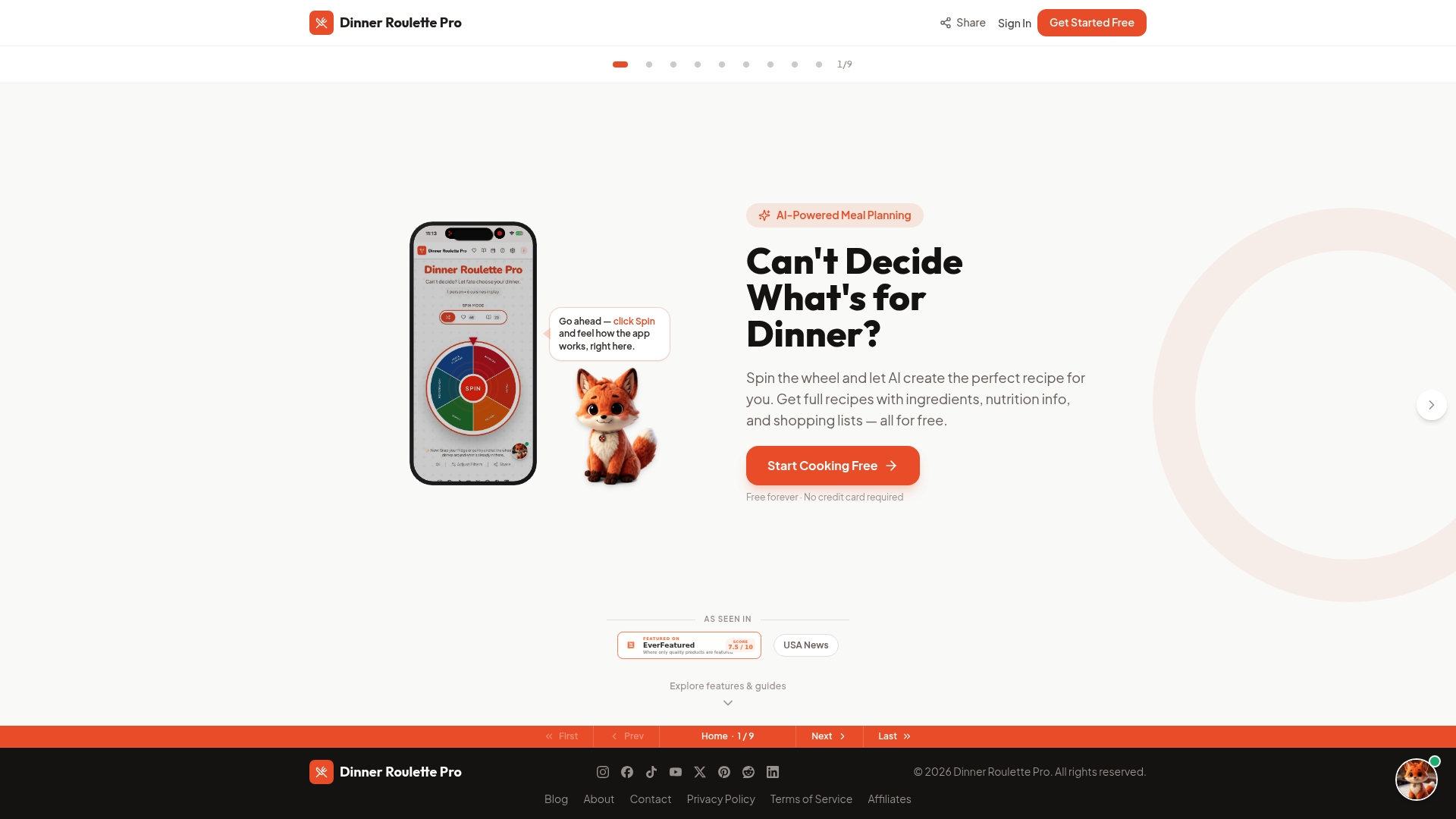
The workflow is simple: set “low histamine” as your dietary restriction, spin the wheel, and get back a dinner-ready recipe card complete with a shopping list and portion sizing. Need to batch-cook for the freezer? Smart Scale adjusts ingredient quantities automatically so you can cook four servings instead of one without doing math in your head. On nights when cooking feels like too much, SafeMode offers simpler, lower-effort recipes that still respect your restrictions.
This is the same decision fatigue this article has been solving with lists and rules, just automated. If you’re ready to stop rebuilding your dinner rotation from scratch every week, start by organizing your go-to low-histamine recipes in one place and let the app handle the rest.
Sources
- Low histamine diet - Cleveland Clinic
- Low-histamine diet guide - Johns Hopkins Medicine (PDF)
- Baked Chicken & Rice Casserole: Simple Low Histamine Meal - Histamine Harmony
- Low-Histamine Dinner Ideas That Won’t Trigger Night Symptoms - MyNourishly
- Low-Histamine Paleo Herb Chicken Bowl - Ann Shippy MD
- Mast Cell Activation Syndrome - University of Virginia (PDF)
Use these sources to adapt any recipe to your own tolerance level, and check with a clinician or dietitian if symptoms are severe or don’t improve with dietary changes alone.