Copy This 7 Day Diabetes Meal Planner Built Around the Plate Method | Dinner Roulette Pro
September 23, 2026
Copy This 7 Day Diabetes Meal Planner Built Around the Plate Method
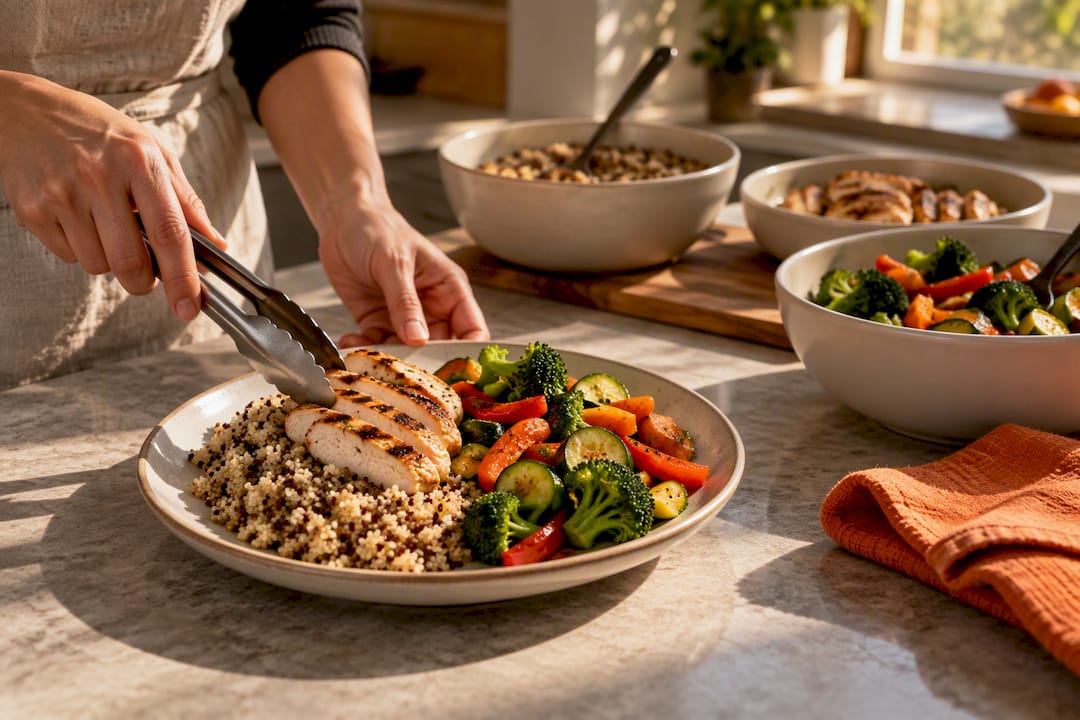
The Diabetes Plate method is the simplest starting point: fill half your plate with non-starchy vegetables, one quarter with lean protein, and one quarter with carbohydrate foods. Most adults with type 2 diabetes can manage blood sugar this way without counting a single gram. Carb counting becomes necessary once you’re on insulin or need tighter glycemic control. Below you’ll find the plate rules, a 7-day sample plan, and how to personalize both.
TL;DR:
- The plate method is effective for managing blood sugar without counting carbs for most adults with type 2 diabetes, unless insulin or tighter control is needed.
- Carb counting is essential mainly for insulin users, requiring precise tracking of intake and working with a healthcare professional to set personal targets.
- Meal plans should prioritize consistency and flexibility, especially during illness or exercise, with adjustments based on blood sugar responses.
- Hidden carbs in sauces, dressings, and sweet drinks are major contributors to blood sugar spikes; checking labels and limiting sugary beverages are crucial.
- Using tools like Dinner Roulette Pro can simplify meal planning by automatically generating recipes, nutrition info, and shopping lists aligned with diabetes guidelines.
Table of Contents
- What Is the Diabetes Plate Method and How Do You Use It?
- Do You Need to Count Carbs, and When?
- A Copyable 7-Day Diabetes Meal Plan
- How Do You Personalize a Meal Plan With Your Care Team?
- What Mistakes Derail Diabetes Meal Plans?
- Hydration and Its Role in Blood Sugar Management
- How Should You Adjust Meals When You’re Sick or Active?
- Can You Drink Alcohol With Diabetes, and How Does It Affect Blood Sugar?
- Realistic Meal Planning Beats Perfect Meal Planning
- How Dinner Roulette Pro Simplifies Diabetes-Friendly Cooking
- Sources
- FAQ
What Is the Diabetes Plate Method and How Do You Use It?
The Diabetes Plate method works on a 9-inch plate divided into three sections: half non-starchy vegetables, one quarter lean protein, and one quarter carbohydrate foods. No calculator, no app required for most meals, just a visual split you can eyeball at any table.
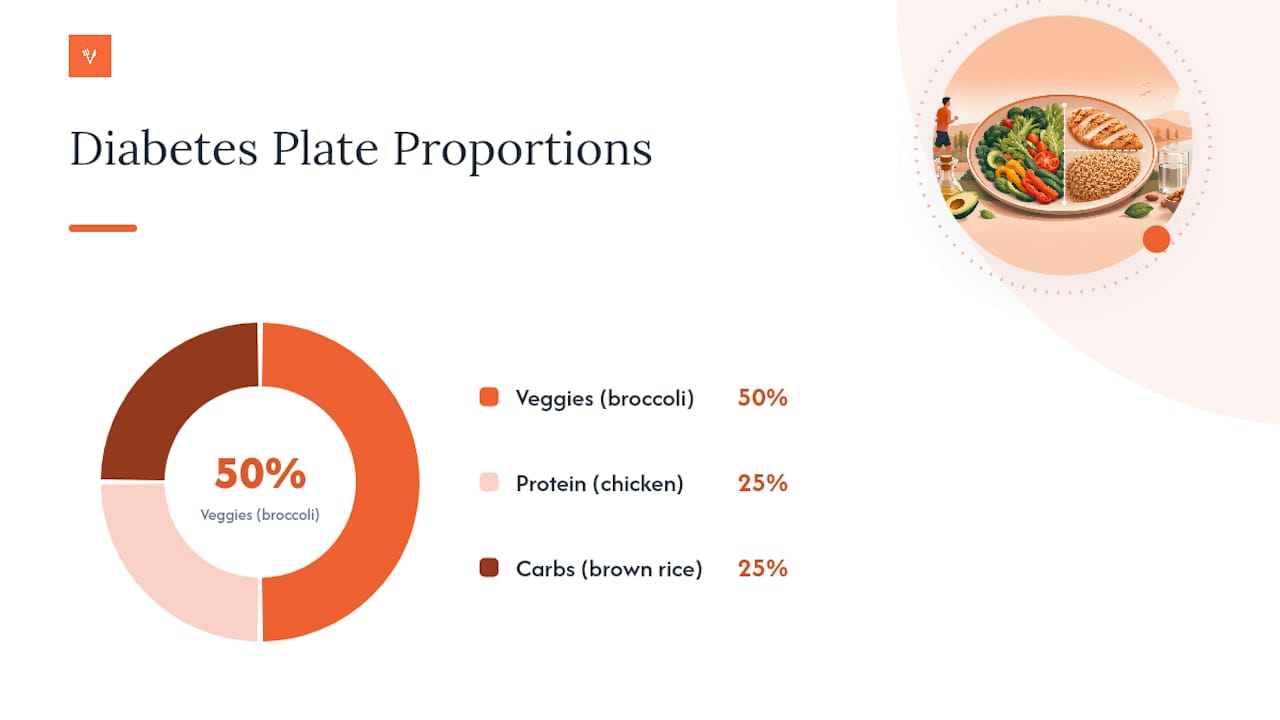
Non-starchy vegetables include broccoli, spinach, peppers, and green beans. Starchy carbs, by contrast, cover rice, potatoes, corn, and whole grains, plus fruit and dairy servings. Portion cues make this easier without a food scale: a fist equals about one cup of vegetables, a palm-sized piece of meat or fish is your protein portion, and a thumb roughly matches a tablespoon of nut butter or dressing.
Fat choices matter here too. The CDC recommends keeping saturated fat under 10% of daily calories, about 20 grams on a 2,000-calorie diet, and swapping butter or fatty cuts for olive oil, avocado, or nuts.
A practical breakdown for one meal:
- Half plate: raw spinach, roasted zucchini, or a mixed green salad
- Quarter plate: grilled chicken, baked salmon, tofu, or eggs
- Quarter plate: brown rice, sweet potato, or one slice of whole-grain bread
- Side: a small piece of fruit or 6 ounces of plain yogurt
Pro Tip: Keep a stack of 9-inch paper plates on your counter for the first two weeks. You’ll build the portion instinct fast, then you won’t need the plate at all.
Do You Need to Count Carbs, and When?
Carb counting means tracking the grams of carbohydrate in each meal so insulin doses or medication timing match your intake precisely. If you take mealtime insulin, this precision matters far more than a rough plate estimate. If you manage type 2 diabetes without insulin, the plate method usually covers you fine.
Starting carb counting doesn’t require guesswork:
- Work with a registered dietitian or certified diabetes educator to set a per-meal carb target (often in a moderate range, though this varies by person)
- Read Nutrition Facts labels for “Total Carbohydrate” per serving, not just sugar grams
- Keep a short list of common carb counts (one slice of bread, one small apple, half a cup of pasta) memorized for quick estimates
- Space meals roughly 2 to 3 hours apart to avoid the blood sugar swings that come from skipping meals
Pro Tip: Photograph your plate before eating for a week. It’s faster than a food diary and gives your dietitian something concrete to review at your next visit.
A Copyable 7-Day Diabetes Meal Plan
This week repeats simple protein and vegetable bases with rotating carb sides, which keeps shopping and cooking manageable without getting boring.
- Monday: Scrambled eggs with spinach and one slice whole-grain toast (breakfast, ~20g carb); turkey and avocado wrap with side salad (lunch); baked salmon, roasted broccoli, small sweet potato (dinner, ~30g carb)
- Tuesday: Plain Greek yogurt with berries and chia seeds (breakfast); grilled chicken salad with vinaigrette (lunch); stir-fried tofu with mixed vegetables over half a cup of brown rice (dinner)
- Wednesday: Oatmeal with cinnamon and walnuts, no added sugar (breakfast); lentil soup with a side of raw vegetables (lunch); grilled steak, sautéed green beans, small baked potato (dinner)
- Thursday: Cottage cheese with sliced peach (breakfast); leftover stir-fry from Tuesday (lunch); baked cod, roasted zucchini, quinoa (dinner)
- Friday: Veggie omelet with cheese (breakfast); turkey chili, light on beans (lunch); grilled chicken thighs, cauliflower mash, side salad (dinner)
- Saturday: Whole-grain pancakes (small, two only) with peanut butter (breakfast); tuna salad lettuce wraps (lunch); shrimp fajitas with peppers and one small tortilla (dinner)
- Sunday: Smoothie with unsweetened almond milk, spinach, and half a banana (breakfast); grilled vegetable and hummus plate (lunch); roast chicken, Brussels sprouts, wild rice (dinner)
Two snack options daily, both built around protein and fiber:
- A hard-boiled egg with cherry tomatoes, or a small apple with 2 tablespoons of almond butter
- Celery sticks with hummus, or a handful of unsalted almonds with string cheese
Swap options: Replace any meat protein with tofu, tempeh, or beans for plant-based days. Drop the starchy side and double the vegetables for a lower-carb version. For kids, keep the same proteins but swap quinoa or brown rice for a smaller portion of pasta.
Shopping list starter: eggs, Greek yogurt, chicken breast, salmon, mixed frozen vegetables, spinach, brown rice, quinoa, canned beans, olive oil, nuts, and berries. Batch-cook grains and proteins on Sunday, then mix and match through the week.
How Do You Personalize a Meal Plan With Your Care Team?
A meal plan built for someone else rarely fits you exactly. Registered dietitians and DSMES programs tailor carb targets and portion sizes to your medications, activity level, and food preferences, not a generic template.
Medication timing changes the math. Insulin users need carb counts that match their dosing schedule; sulfonylureas carry a real hypoglycemia risk if a meal gets delayed or skipped. Bring your medication list to your dietitian appointment.
- Track A1C every 3 to 6 months and weight or blood glucose logs weekly to see if the plan is working
- Review your plan with your care team at least twice a year, or sooner if readings shift
- Ask about referral to a Diabetes Self-Management Education and Support (DSMES) program if you haven’t used one yet
- Flag kidney disease, pregnancy, or other conditions early since they require specialized protein, sodium, or carb adjustments
What Mistakes Derail Diabetes Meal Plans?
Skipping meals is the biggest one. It feels like it should lower blood sugar, but it often backfires into overeating later or a dangerous low if you’re on insulin. Hidden carbs in sauces, dressings, and “healthy” smoothies are the second biggest trap. A restaurant portion of pasta can easily hold three times the carbs of a homemade serving.
Sugary drinks deserve their own mention: soda, sweetened coffee drinks, and juice spike blood sugar faster than almost anything on a plate.
Fixes that actually stick:
- Eat at roughly the same times each day, even on weekends
- Check whether you’re actually hungry or just thirsty before reaching for a snack
- Pair every snack with a protein source so it doesn’t spike and crash
- Double dinner recipes on Sunday so Wednesday’s meal is already done
- Read the Nutrition Facts label for total carbs, not just sugar, before buying packaged food
Pro Tip: Sauces are where hidden carbs hide best. A cream-based pasta sauce or a sweet teriyaki glaze can add 15 to 20 grams of carbohydrate you never counted. When in doubt, ask for sauce on the side.
Hydration and Its Role in Blood Sugar Management
Water does more for blood sugar control than most people realize. When you’re dehydrated, your blood glucose becomes more concentrated, which can push readings higher even if you haven’t eaten anything new. Staying ahead of thirst helps keep those numbers steadier throughout the day.

Checking whether you’re actually thirsty before reaching for a snack also cuts unnecessary calories. Thirst and hunger signals feel similar, and it’s easy to eat when a glass of water would have solved the problem.
Aim for water as your default drink between meals. Unsweetened tea, sparkling water, and black coffee all count too. Skip regular soda and juice, since both deliver a fast carbohydrate load with none of the fiber that would slow it down.
If you exercise or spend time in the heat, you’ll need more fluid than usual. Dehydration during activity can also make blood sugar harder to predict, swinging higher or lower depending on how hard you’re working and how much insulin is on board. Carry water with you on hot days or during longer workouts, and check in with your body rather than waiting until you feel parched.
There’s no single magic number of glasses per day that fits everyone. Body size, climate, activity level, and even certain medications change your needs. A simple check: if your urine is pale yellow, you’re probably drinking enough.
How Should You Adjust Meals When You’re Sick or Active?
Illness and exercise both throw your usual meal plan off balance, and treating them the same way you treat a normal Tuesday is a common mistake.
During illness, blood sugar often rises even when you’re eating less, because stress hormones released to fight infection also raise glucose. Keep eating small amounts of carbohydrate even if your appetite drops. Crackers, broth-based soup, applesauce, or diluted juice can keep you from swinging low if you’re on insulin or other glucose-lowering medication. Check blood sugar more frequently than usual, since illness can push levels in either direction depending on your medication and how much you’re eating. Contact your care team if you can’t keep food or fluids down for more than a few hours, or if readings stay unusually high or low.
Physical activity works in the opposite direction for many people, lowering blood sugar during and after exercise. A longer or more intense workout than usual may call for a carbohydrate snack beforehand, especially if you use insulin. Fifteen to 30 grams of carbohydrate before a workout, something like a small banana or a few crackers, is a reasonable starting point, but the right amount depends on your medication and how your body typically responds. Check glucose before and after new or intense activity until you understand your own pattern.
Both scenarios come back to the same principle: your usual plate ratios and carb targets are a baseline, not a fixed rule, and illness or activity are exactly when that baseline needs to flex.
Can You Drink Alcohol With Diabetes, and How Does It Affect Blood Sugar?
Alcohol can cause blood sugar to drop for hours after you stop drinking, which surprises a lot of people who expect the opposite. The liver, which normally releases stored glucose to keep blood sugar stable, gets busy processing alcohol instead and can’t do that job as well. That delayed drop is especially risky if you take insulin or sulfonylureas, and it can happen 12 hours or more after your last drink, often overnight while you’re asleep.
Mixed drinks and sweet cocktails add another layer, since the sugar or juice mixers spike blood sugar first before the alcohol’s glucose-lowering effect kicks in later. That combination, a spike followed by a delayed crash, makes timing and food pairing critical.
A few practical rules make alcohol safer if you choose to drink it:
- Never drink on an empty stomach; pair alcohol with a meal or a carbohydrate-containing snack
- Check blood sugar before bed and consider a small snack if you’ve been drinking, since the risk of a low overnight is real
- Choose light beer, dry wine, or spirits with a sugar-free mixer over sweet cocktails or regular beer
- Wear or carry medical ID if you use insulin, since low blood sugar from alcohol can be mistaken for intoxication by others
Talk to your care team about how alcohol interacts with your specific medications before making it a regular habit. Some diabetes medications carry sharper interaction risks than others.
Realistic Meal Planning Beats Perfect Meal Planning
The plate method and a 7-day template give you structure, but structure only helps if you actually follow it on a Tuesday when you’re exhausted and the dishes aren’t done. That’s the gap most diabetes meal advice ignores. It assumes everyone has the energy to cook from scratch every night.
They don’t. Some weeks you’ll nail every plate ratio. Other weeks you’ll eat the same three meals on repeat because that’s what you can manage, and that’s fine. Consistency over time matters more than any single perfect meal. If you’re neurodivergent, dealing with chronic fatigue, or just having a rough week, leaning on simpler, lower-decision options isn’t a failure of discipline. It’s a reasonable adaptation, and it keeps you eating regularly instead of skipping meals out of overwhelm.
— Jack
How Dinner Roulette Pro Simplifies Diabetes-Friendly Cooking
Building a diabetes meal plan by hand means checking carb counts, hunting for recipes that fit the plate method, and rewriting your shopping list every week. Dinner Roulette Pro cuts that down to a spin of the wheel: set your dietary restrictions and allergy checks once, and every recipe it generates already respects them.
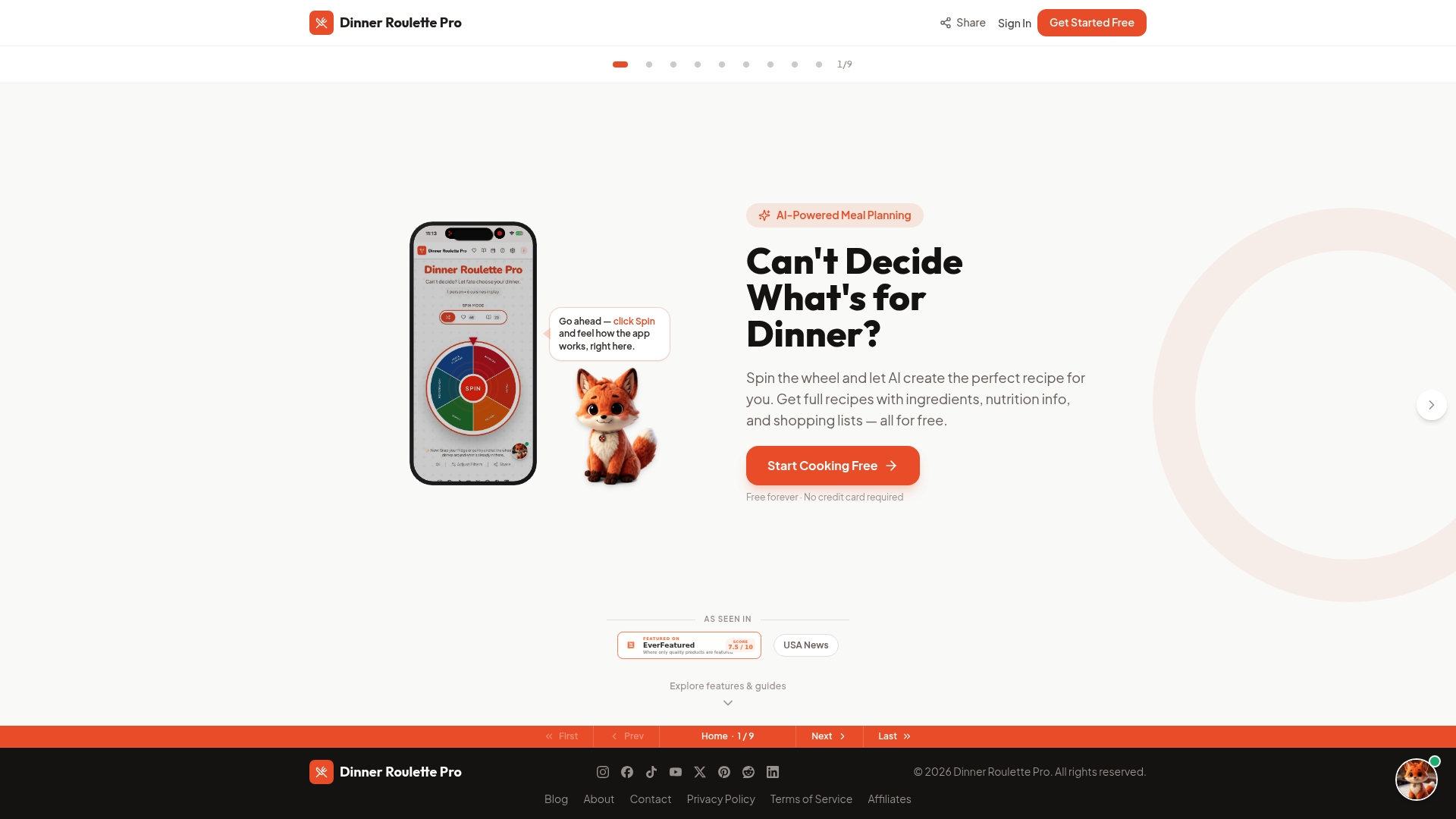
The app builds recipes with full nutrition information attached, so you can see carbohydrate counts per serving without doing the math yourself, and it can generate a shopping list automatically so grocery runs stop being a guessing game. Its meal calendar helps you plan the kind of regular, spaced-out eating that keeps blood sugar steadier, and one-tap ordering through Walmart or Instacart gets ingredients to your door without an extra trip.
For low-energy days, SafeMode offers simpler, lower-decision recipes instead of forcing you to plan a full week when you don’t have the bandwidth. You can start with the Free Forever plan or unlock the full meal planner and nutrition tools with Monthly ($4.99), Yearly ($39.99), or Lifetime ($99.99) access. Try a spin and see what comes up for dinner tonight.
Sources
The guidance in this article draws on government and clinical sources built specifically for diabetes nutrition, along with practical planning tools worth bookmarking.
This article is general information, not a substitute for advice from a qualified doctor. Consult a qualified healthcare professional about your own circumstances before acting on anything here.
FAQ
What Is the Best Meal Plan for a Diabetic?
The Diabetes Plate method works best for most people: half the plate in non-starchy vegetables, one quarter in lean protein, one quarter in carbohydrate foods. Insulin users often need carb counting layered on top for precise dosing.
What Is the 3-Hour Rule for Diabetics?
It refers to spacing meals roughly 2 to 3 hours apart to keep blood sugar steady and avoid the sharp swings that come from skipping meals or waiting too long between them. Regular timing matters as much as food choice for many people.
What Is the Worst Food for Blood Sugar?
Sugar-sweetened drinks like soda, sweetened coffee, and juice tend to spike blood sugar faster than almost any solid food, since they deliver rapid sugar with none of the fiber that would slow absorption. Refined white bread and pastries follow close behind.
What Is a Good Dinner Meal for a Diabetic?
A good dinner follows the plate ratio: baked salmon with roasted broccoli and a small sweet potato, or grilled chicken thighs with cauliflower mash and a side salad both fit. Some apps can generate diabetes-friendly dinner recipes automatically with carb counts already attached.
Does Dinner Roulette Pro Work for Diabetes Meal Planning?
Yes. Dinner Roulette Pro lets you set dietary restrictions and allergy checks, then generates recipes with nutrition information and shopping lists included, which supports plate-method or carb-counted planning. The Free Forever plan is available at no cost, with paid tiers unlocking more advanced features.