40 Easy Weeknight Family Dinner Ideas That Actually Work | Dinner Roulette Pro
August 24, 2026
40 Easy Weeknight Family Dinner Ideas That Actually Work
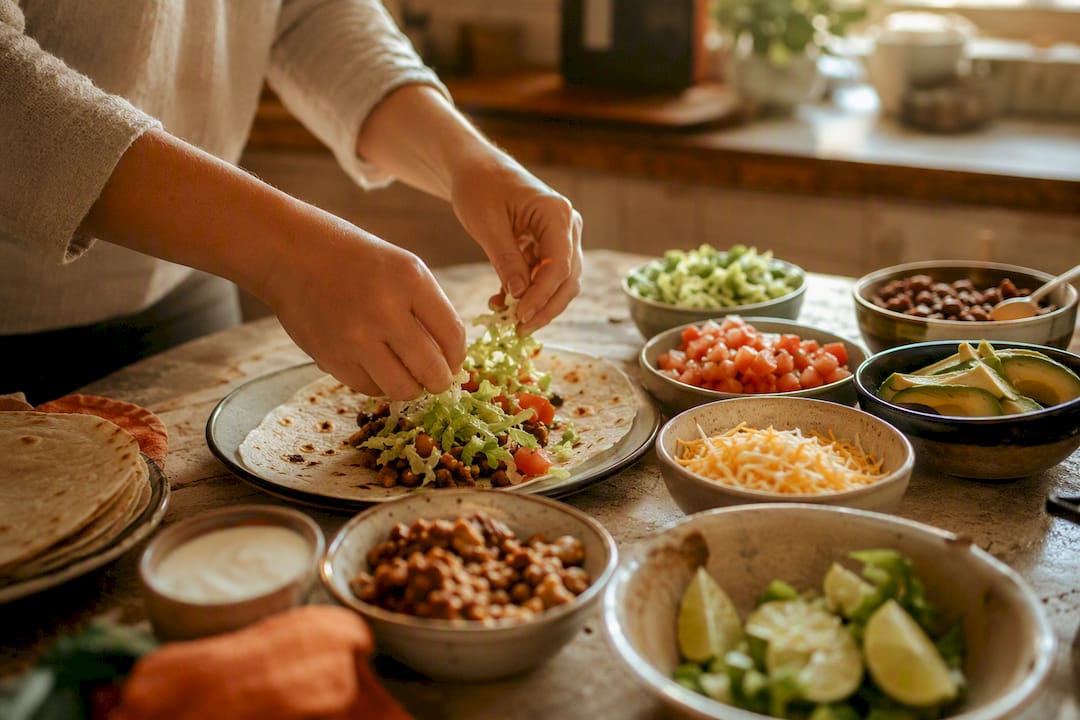
Five meal formats solve almost every weeknight dinner problem: 30-minute one-pan skillets, sheet-pan bakes, build-your-own bars like tacos and bowls, pasta and rice casseroles, and slow-cooker or make-ahead meals. Pick one format per busy night and you stop reinventing dinner from scratch every single evening.
Three you can start tonight: a creamy chicken stroganoff skillet (25 minutes, one pan, freezes well), sheet-pan sausage and veggies (30 minutes, minimal cleanup, easy to swap for whatever vegetables need using up), and a taco bar (20 minutes of active cooking, then everyone builds their own plate). Each works because it needs one main cooking step and tolerates substitutions without falling apart.
- One-pan and skillet meals: fastest cleanup, ready in 25 to 30 minutes
- Sheet-pan dinners: hands-off oven time, feeds a crowd with one tray
- Build-your-own bars: one base, several toppings, zero separate kids’ menu
- Pasta, rice, and casseroles: stretch a small amount of protein across a big family
- Slow-cooker and freezer meals: cook once, eat twice (or three times)
Fast fact: Sheet-pan dinners scale well and reduce cleanup, and most reheat well enough to double as next-day lunch.
The rest of this guide breaks down each format with specific recipes, prep times, scaling math for bigger families, and the planning shortcuts that keep you from starting from zero every Sunday.
Key Takeaways
Reliable family dinners come from five repeatable formats, not a constantly expanding recipe collection, and matching a format to your energy level each night beats searching for something new.
| Point | Details |
|---|---|
| Pick a format, not a recipe | Rotate one-pan, sheet-pan, build-your-own, casserole, and slow-cooker nights across the week. |
| Cook proteins in bulk | A rotisserie chicken or double batch of ground meat covers two separate dinners with almost no extra work. |
| Scale with a simple formula | Plan 4 to 6 ounces of protein and ½ to ¾ cup of starch per adult, with kids at about two-thirds that amount. |
| Deconstruct for picky eaters | Keep sauces and strong flavors on the side so one meal works for the whole table. |
| Let Dinner Roulette Pro handle the daily pick | Use the Recipe Organization Guide to spin up a recipe with a matching shopping list when decision fatigue hits. |
Table of Contents
- 1. 30-Minute One-Pan and Skillet Dinners
- 2. Sheet-Pan and Oven-Baked Family Dinners
- 3. Pasta, Rice, and Bakeable Casseroles the Whole Family Loves
- 4. Build-Your-Own Meals: Tacos, Bowls, and Pizza Night
- 5. Slow-Cooker, Instant Pot, and Freezer-Friendly Make-Ahead Dinners
- 6. Feeding Picky Eaters and Scaling for Bigger Families
- 7. Weekly Planning and Shortcuts That Beat Dinner Decision Fatigue
- Healthy and Balanced Family Dinner Options
- Accommodating Common Dietary Restrictions and Allergies
- Tips for Involving Kids in Meal Preparation
- Budget-Friendly Family Dinner Ideas
- Cultural and Diverse Cuisine Options for Family Dinners
- Author Perspective: Practical Experience and Quick Heuristics
- How Dinner Roulette Pro Takes the Guesswork Out of Dinner
- Sources
1. 30-Minute One-Pan and Skillet Dinners
A one-pan dinner wins on two fronts: speed and dishes. When everything cooks in a single skillet, you can have dinner quickly and wash one pot instead of four.
Eight that consistently deliver:
- Cheesy baked gnocchi skillet with sausage and spinach
- Chicken fried rice using leftover rice and frozen peas
- Creamy chicken stroganoff over egg noodles
- Sausage and orzo skillet with sun-dried tomatoes
- Meatball pasta skillet with jarred marinara
- Ground turkey taco skillet with rice
- Shrimp scampi with zucchini noodles or regular pasta
- One-pan chicken and rice with frozen mixed vegetables
BBC Food’s collection of 30-minute family meals includes several stroganoff variations built exactly for this kind of speed. The shortcut that saves the most time isn’t a fancy technique. It’s starting with something already cooked: rotisserie chicken, pre-cooked rice pouches, or frozen pre-riced cauliflower.
For a family of four to five, plan on one pound of ground meat or two chicken breasts per skillet, plus a starch that can stretch (rice, pasta, or potatoes). Skip making a separate “kid version.” Serve the sauce on the side or leave one portion unseasoned before adding spice to the rest, so everyone eats the same base meal.
Pro Tip: Cook double the rice or pasta every time you make one of these. The extra half batch becomes tomorrow’s fried rice or a quick pasta salad, no extra pots required.
2. Sheet-Pan and Oven-Baked Family Dinners
Sheet-pan dinners trade active stovetop attention for oven time you don’t have to watch. Toss everything on one tray, set a timer, and go help with homework.
Five worth keeping on rotation:
- Sheet-pan gnocchi with chicken sausage and roasted vegetables
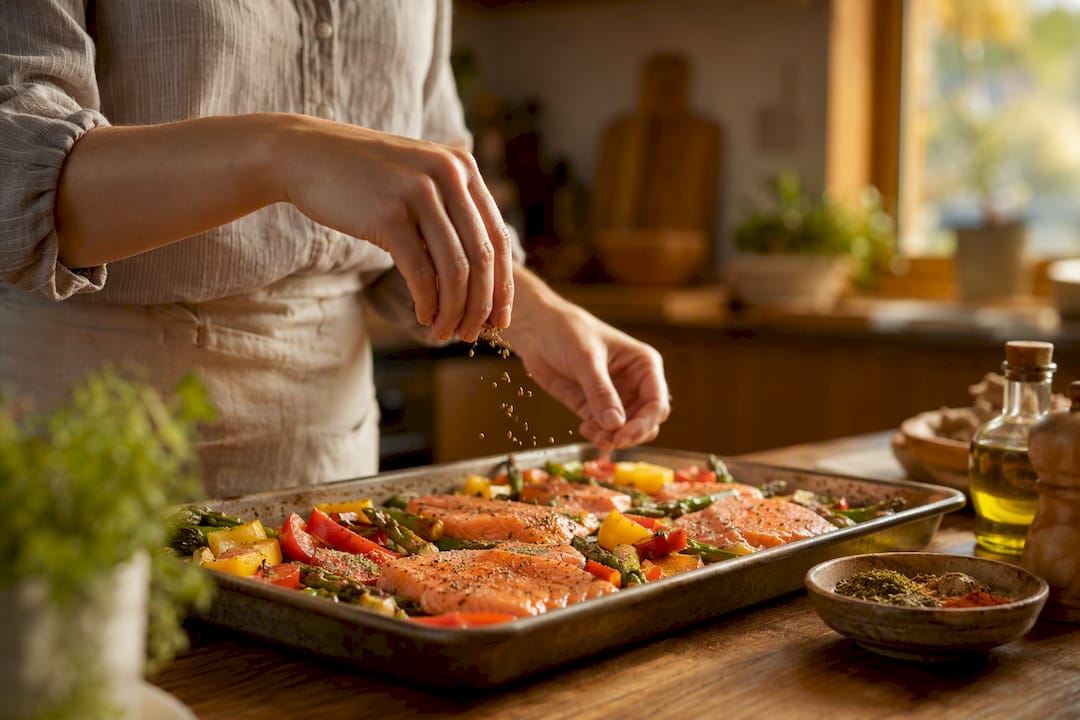
- Sheet-pan salmon with asparagus and lemon
- Sheet-pan chicken sausage and potatoes with peppers
- Sheet-pan fajitas with chicken or steak strips
- Loaded nacho sheet-pan with black beans and cheese
The sheet-pan gnocchi recipe from registered dietitian Sarah Remmer comes together in 30 to 35 minutes and feeds a full family from a single tray, with swaps built right into the method: gluten-free gnocchi for wheat sensitivities, a tahini drizzle instead of a dairy-based sauce, or extra chicken sausage for families that want more protein per serving.
Sheet-pan meals also happen to be some of the best options for parents juggling packed schedules, since sheet-pan salmon shows up repeatedly as a go-to among busy households. Roast a double batch of vegetables on a second tray while the oven’s already hot, then use the extras in tomorrow’s grain bowl or omelet.
3. Pasta, Rice, and Bakeable Casseroles the Whole Family Loves
Casseroles solve the “everyone wants something different” problem better than almost any other format, because a baking dish full of pasta or rice hides picky-eater compromises inside a comforting, familiar shape.
Six that hold up on repeat:
- Cheesy baked ziti with hidden shredded zucchini
- Meatball pasta bake with mozzarella
- Chicken enchilada skillet with corn tortillas
- Fried rice loaded with whatever protein is on hand
- Burrito bowls with rice, beans, and cheese
- Baked mac and cheese with peas stirred in
Stovetop skillet versions land on the table in 20 to 25 minutes; oven-baked casseroles need closer to 40, but most of that is hands-off baking time. A pressure cooker shortens rice-based versions further, since it cooks rice and protein together in one cycle instead of two separate steps.
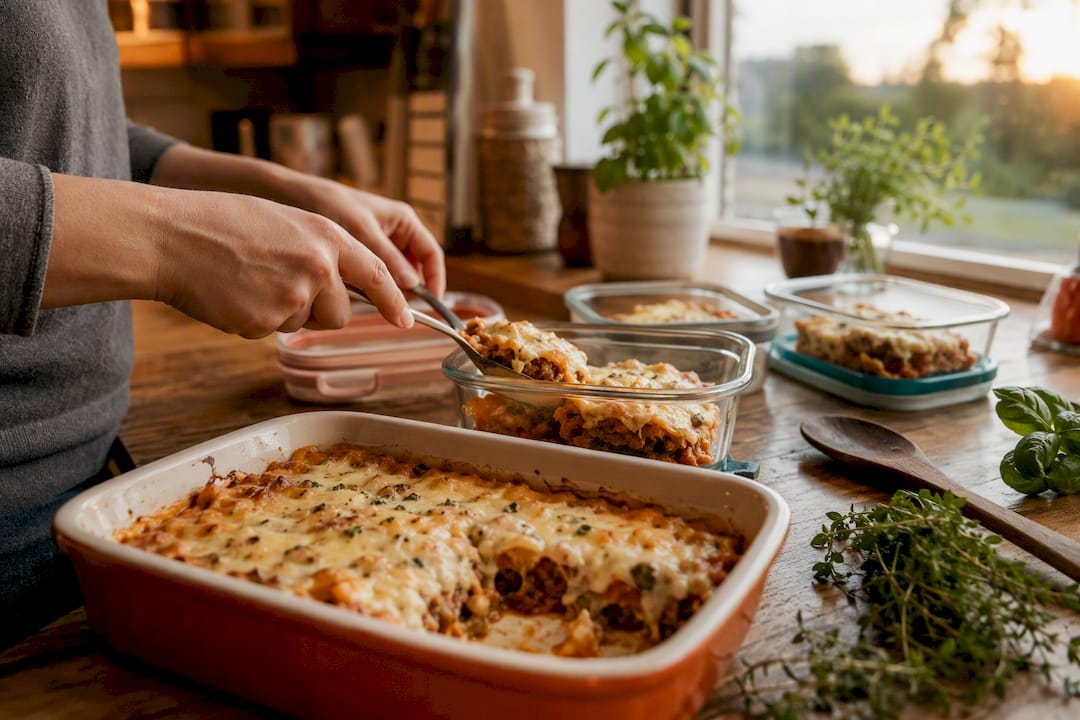
Portion leftovers into individual containers the moment the pan cools. A casserole that fed five for dinner usually covers two or three lunches the next day. For picky eaters, keep proteins and strong-flavored add-ins (onions, specific spices) separable rather than fully blended in, so a kid can pick around what they don’t want without refusing the whole plate.
4. Build-Your-Own Meals: Tacos, Bowls, and Pizza Night
Build-your-own dinners flip the script: you cook one base, everyone assembles their own plate, and nobody complains about “what’s in it” because they decided that themselves.
- Taco bar. Cook seasoned ground beef, chicken, or black beans as the base, then set out shells, cheese, salsa, sour cream, and lettuce.
- Grain bowls. Rice or quinoa as the foundation, topped with grilled chicken or tofu, roasted vegetables, and a sauce station.
- Naan or pita pizzas. Pre-baked bread as the crust, sauce and cheese as constants, then let each person pick their own toppings.
- Baked potato bar. Baked potatoes as the base, with chili, cheese, broccoli, and bacon bits as toppings.
This format works because professional recipe developers consistently recommend designing meals so adults and kids eat the same food without separate cooking, and a topping bar accomplishes exactly that. Rotisserie chicken, canned black beans, and a bag of pre-chopped coleslaw mix cut prep time to almost nothing. Our meal planner for picky eaters walks through more deconstruction tactics if one kid in the house is especially selective.
5. Slow-Cooker, Instant Pot, and Freezer-Friendly Make-Ahead Dinners
Some nights, active cooking just isn’t happening. That’s what slow cookers, pressure cookers, and a stocked freezer are for.
Six dependable options:
- Dump-and-go crockpot chicken with salsa and beans
- Make-ahead meatballs, frozen raw and cooked straight from frozen
- Chili, made in bulk and frozen in single-meal portions
- Slow-cooker pulled pork for sandwiches or tacos
- Soups and stews that freeze in labeled quart bags
- Freezer casseroles assembled unbaked, then baked from frozen
Most soups, chilis, and casseroles hold in the freezer for two to three months without losing quality. Reheat frozen casseroles at 350°F, adding roughly 20 extra minutes over the original bake time.
Pro Tip: Any stovetop skillet recipe with a sauce (stroganoff, chicken and rice, meatball marinara) usually converts to a slow cooker by cutting the liquid slightly and cooking on low for six to seven hours instead of on the stove for 25 minutes. If it works in a skillet, it probably works low and slow.
6. Feeding Picky Eaters and Scaling for Bigger Families
Picky eating gets easier to manage when you build meals that separate instead of blend. Deconstructed dinners, where sauce, protein, and toppings stay on the side rather than mixed together, let each person customize without you cooking two versions of the same meal.
- Keep sauces on the side instead of tossed into the pasta or rice.
- Offer a “safe” plain option (buttered noodles, plain rice) alongside the main dish.
- Swap textures before flavors: crispy chicken instead of stewed, roasted vegetables instead of steamed.
- Build a simple topping bar for casseroles and skillets, not just tacos.
For scaling, a rough per-person formula works for most recipes: a moderate serving of protein, starch, and vegetables per adult, with children eating somewhat less. For larger families, simply increase ingredient quantities proportionally to accommodate all members, such as adding an extra chicken breast or more pasta to suit your group’s size.
Tacos, sheet-pan dinners, and pasta bakes scale the easiest of any format, since flexible base recipes that adapt across rice, pasta, and potatoes stretch without needing a second dish.
7. Weekly Planning and Shortcuts That Beat Dinner Decision Fatigue
Rotating formats instead of rotating recipes takes the daily “what’s for dinner” decision off the table. Assign each weeknight a format, then fill in the specific meal the day of, based on what’s in the fridge.
- Monday: One-pan skillet (stroganoff or fried rice)
- Tuesday: Build-your-own (taco bar or grain bowls)
- Wednesday: Sheet-pan dinner (salmon or sausage and potatoes)
- Thursday: Slow-cooker or freezer meal (chili or pulled pork)
- Friday: Pasta or casserole (baked ziti or burrito bowls)
Roast a double batch of chicken on Sunday and it covers Monday’s stroganoff and Tuesday’s taco bar without touching a stove twice. Parents who rely on rotisserie chicken and double-batch proteins consistently cut their weeknight prep time this way. Leftover roasted vegetables from Wednesday’s sheet pan become Thursday’s soup add-in. A running shopping list built around five repeatable bases, rather than five entirely new recipes, saves both money and decision-making energy.
Healthy and Balanced Family Dinner Options
A balanced weeknight plate doesn’t require a separate “healthy” recipe category. It requires adjusting the formats you’re already using: add a vegetable to the sheet pan, swap white rice for brown in the fried rice, or use ground turkey instead of beef in the taco filling.
Public health guidance on family meal planning points toward simple, repeatable swaps rather than complicated overhauls: baking instead of frying, adding a vegetable side to pasta nights, and keeping added sugar out of sauces where possible. None of that requires new recipes, just small substitutions inside the formats already on your weekly rotation.
Practical swaps that don’t change the meal’s identity:
- Swap ground beef for ground turkey or a beef-turkey blend in tacos and pasta sauce
- Add a frozen vegetable blend to fried rice or skillet pasta in the last five minutes of cooking
- Use whole-wheat pasta or brown rice in casseroles without changing the sauce
- Serve a raw vegetable (carrots, cucumber, bell pepper strips) alongside heavier dishes like mac and cheese
Balance over a week matters more than perfection on any single night. If Monday’s dinner is heavier (baked ziti, loaded nachos), lean lighter on Tuesday with a grain bowl heavy on vegetables. That kind of week-level thinking beats trying to make every single dinner “healthy” on its own, which is usually what causes people to give up on meal planning altogether.
Accommodating Common Dietary Restrictions and Allergies
Most of the formats in this guide flex around common restrictions without needing a whole separate recipe. The trick is treating the base recipe as a template and swapping the parts that trigger a restriction.
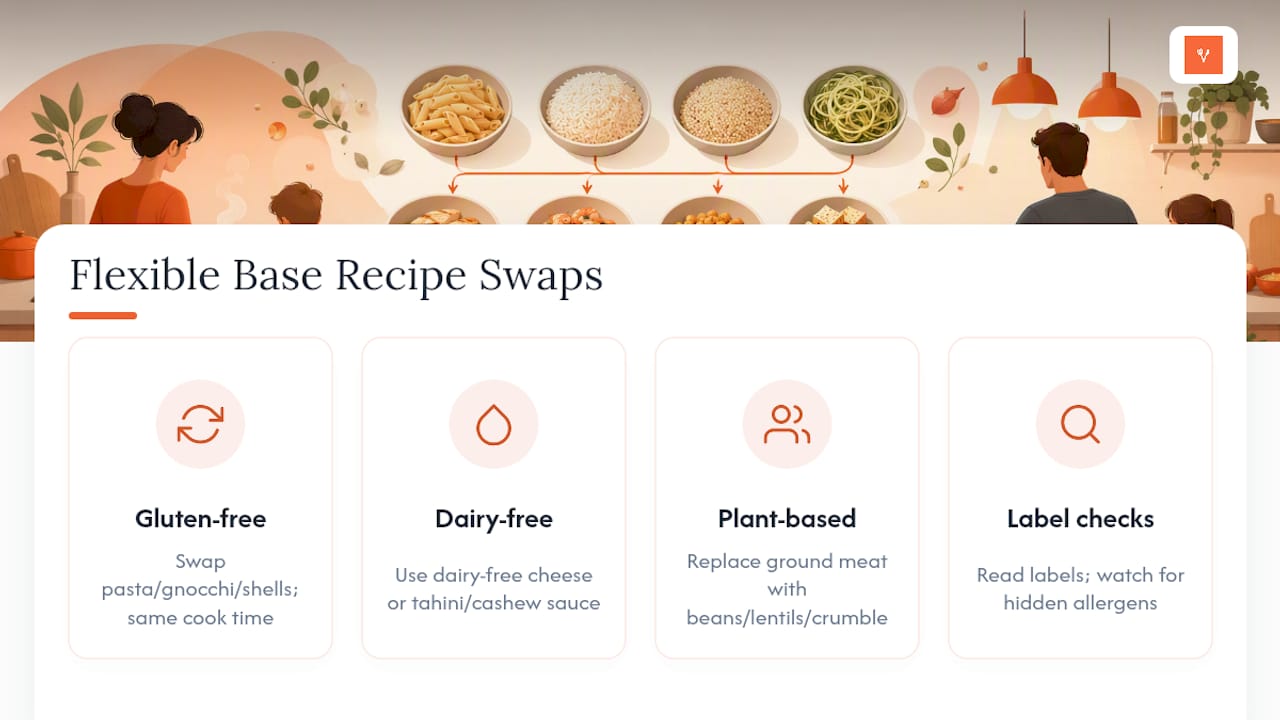
For gluten sensitivities, swap regular pasta, gnocchi, or taco shells for gluten-free versions. Most brands now cook at nearly identical times to their wheat-based counterparts, so the rest of the recipe doesn’t need adjusting. The sheet-pan gnocchi method specifically calls out gluten-free gnocchi as a direct substitute with no other changes needed.
Dairy-free households can swap shredded cheese for a dairy-free alternative in casseroles, or use a tahini or cashew-based sauce instead of cream in stroganoff and pasta bakes. For nut allergies, double-check taco toppings, granola-style casserole toppings, and any Asian-inspired sauces, since peanut and sesame show up more often than people expect in bottled sauces.
Vegetarian families can swap ground meat for black beans, lentils, or a plant-based crumble in tacos, chili, and pasta bakes without changing cook times significantly. The build-your-own format handles mixed-restriction households especially well: one taco bar can serve a gluten-free kid, a vegetarian parent, and a dairy-loving sibling from the same set of ingredients, because everyone just picks different toppings.
Always read labels on pre-made sauces, broths, and seasoning packets. Cross-contamination and hidden allergens (soy in teriyaki sauce, gluten in soy sauce) hide in exactly the shortcut ingredients this guide recommends, so a quick label check matters more than it seems like it should.
Tips for Involving Kids in Meal Preparation
Kids who help make dinner tend to complain less about eating it. That’s not a guarantee, but it’s a pattern most parents notice fast once they start handing over small tasks.
Age-appropriate jobs that actually speed things up instead of slowing them down:
- Toddlers and preschoolers: tearing lettuce, rinsing vegetables, stirring a bowl of already-mixed ingredients
- Elementary-age kids: measuring pasta or rice, cracking eggs, setting up the taco bar toppings
- Tweens and teens: chopping soft vegetables with supervision, browning ground meat, running the pressure cooker or slow cooker themselves
Build-your-own dinners are the easiest entry point for kid involvement, since assembling a taco or a grain bowl carries almost no safety risk and gives a kid real ownership over their plate. Sheet-pan dinners work well too: a kid can arrange chicken and vegetables on the tray even if an adult handles the oven.
Involvement doesn’t need to happen every night to matter. Picking one or two nights a week, maybe the build-your-own night and a sheet-pan night, keeps the habit going without turning every dinner into a production. Letting a picky eater choose their own toppings or arrange their own tray also does double duty: it’s a kitchen skill lesson and a picky-eating workaround at the same time.
Budget-Friendly Family Dinner Ideas
The cheapest dinners on this list aren’t a coincidence. Rice, pasta, beans, and eggs anchor almost every budget-friendly meal because they’re inexpensive, shelf-stable, and stretch a small amount of protein across a full family.
NYT Cooking’s roundup of cheap family dinner recipes leans heavily on exactly this pattern: beans and rice bowls, egg-based dinners, and slow-cooker meals that turn cheaper cuts of meat tender over several hours. A whole rotisserie chicken, split across two nights, usually costs less per meal than buying chicken breasts twice.
Budget moves that don’t sacrifice variety:
- Buy whole chickens or bone-in cuts instead of boneless, skinless breasts, then use the bones for stock
- Bulk up ground meat with a can of beans or lentils in tacos, chili, and pasta sauce
- Build one “big batch” meal a week (a pot of chili, a tray of casserole) and portion the rest for freezer meals
- Rotate frozen vegetables into skillets and sheet pans instead of pricier fresh produce out of season
Casseroles and rice-based bowls tend to be the cheapest formats per serving, since a small amount of protein spreads across a large volume of rice, beans, or pasta. Slow-cooker meals let you use tougher, cheaper cuts of meat (chuck roast, pork shoulder) that need low, slow heat to turn tender, and those cuts often run noticeably cheaper per pound than quick-cooking cuts.
Cultural and Diverse Cuisine Options for Family Dinners
Rotating in dishes from different cuisines keeps a weekly plan from feeling like the same five meals on repeat, and most cultural dishes fit neatly into the formats already covered here.
Skillet formats adapt easily to a Thai-style basil chicken stir-fry, a Mexican-inspired chicken enchilada skillet, or an Italian sausage and orzo dish, all cooked the same one-pan way as a stroganoff. Sheet-pan dinners handle a Mediterranean-style tray of chicken, olives, and roasted vegetables just as well as sausage and potatoes. Build-your-own formats are practically built for cultural variety: a taco bar is Mexican inspired by design, but the same “base plus toppings” structure works for Korean-style bibimbap bowls, Vietnamese banh mi sandwiches, or Indian-inspired rice bowls with curry and toppings on the side.
Casseroles and bakes borrow easily from different traditions too: a Greek-style pastitsio, a Mexican chicken enchilada bake, or an Indian-spiced rice and lentil casserole all use the same oven method as a classic baked ziti. The ingredient list changes; the technique and timing usually don’t.
Introducing a new cuisine works best paired with a familiar format. A family used to taco night adapts to Korean bowls faster than to an entirely unfamiliar cooking method, because the “build your own plate” structure is already comfortable. Keep one familiar element (rice, a sauce on the side, a topping bar) while introducing a new flavor profile, and picky eaters tend to push back less than when everything about the meal is unfamiliar at once.
Author Perspective: Practical Experience and Quick Heuristics
The formats in this guide work because they’re forgiving. A skillet dinner survives a missing ingredient. A taco bar survives a picky seven-year-old. That flexibility matters more than any single recipe.
For families managing sensory sensitivities or low-energy nights, a build-your-own setup removes the pressure to get everything “right” at once. SafeMode style planning, keeping a rotation of no-decision, low-effort meals ready for the hardest days, deserves a permanent spot in any family’s weekly plan.
— Jack
How Dinner Roulette Pro Takes the Guesswork Out of Dinner
All the formats above still require picking, tonight, which specific recipe fits your fridge, your family’s allergies, and how much energy you have left. Dinner Roulette Pro handles that last step: spin the wheel and get a fully generated recipe with ingredients, nutrition information, and a shopping list, built around dietary restrictions and allergy checks you set once and never re-enter.
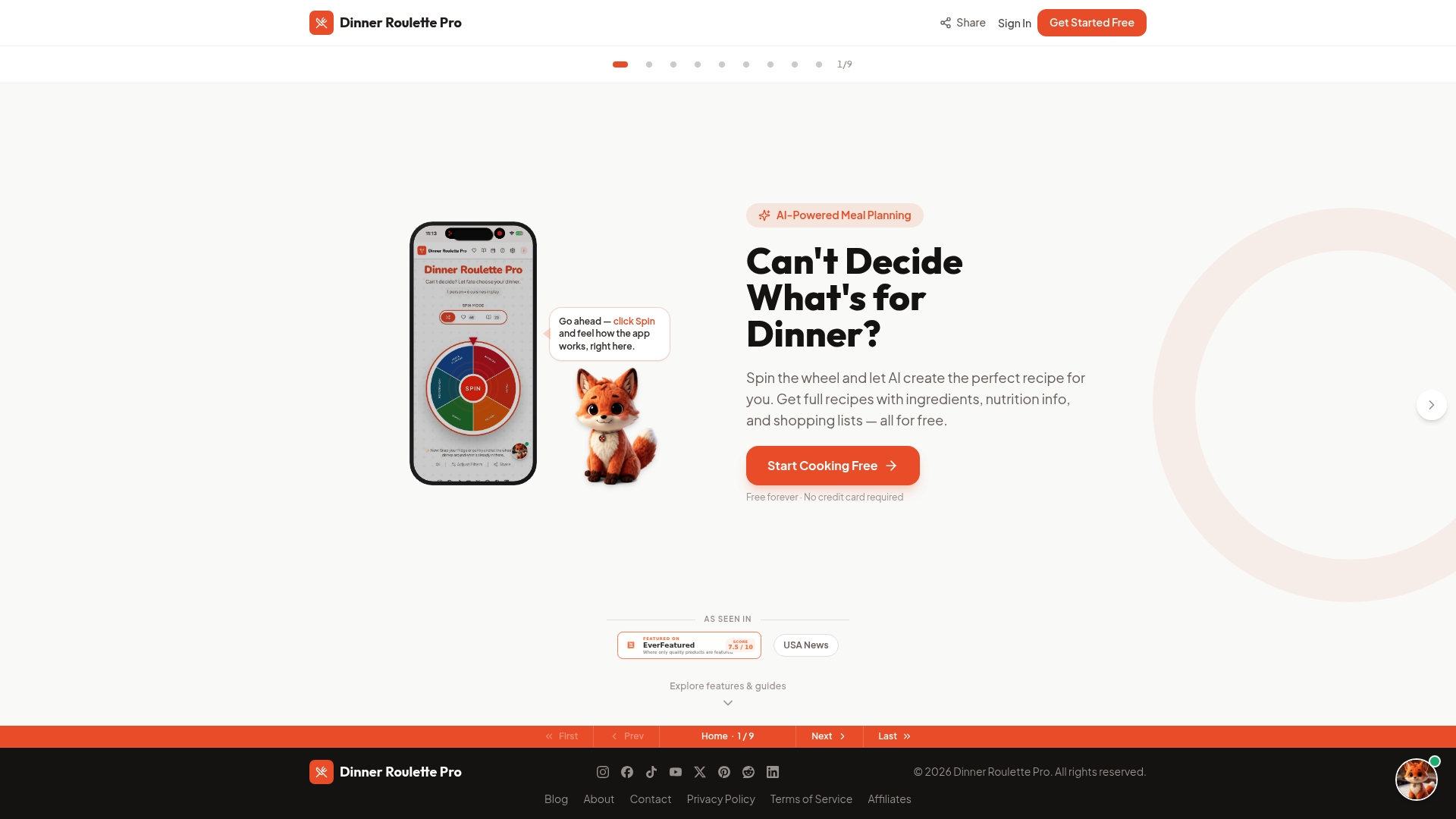
The feature families lean on most for a growing household is Smart Scale™, which recalculates ingredient amounts automatically instead of asking you to do the math from this article’s per-person formula. If tonight is one of those low-energy nights, SafeMode surfaces simpler, lower-effort recipes instead of anything that demands a lot of chopping or attention. None of this replaces the recipes above. It just removes the “which one, and how much” decision that eats up time before you’ve even started cooking. Try the Smart Scale feature next time you’re doubling a recipe for guests or a growing family, and let it handle the conversion.
Sources
- 30 minute family meals - BBC Food
- Cheap family dinner ideas - NYT Cooking
- Family-Style Sheet-Pan Gnocchi with Veggies & Chicken Sausage (30 Minutes!) | Sarah Remmer
- I Asked 25 Busy Parents for Their Go-To Easy Weeknight Dinners, and These Are the 10 They Swear By | Allrecipes