Six GERD-Friendly Dinners You Can Cook Tonight | Dinner Roulette Pro
August 18, 2026
Six GERD-Friendly Dinners You Can Cook Tonight
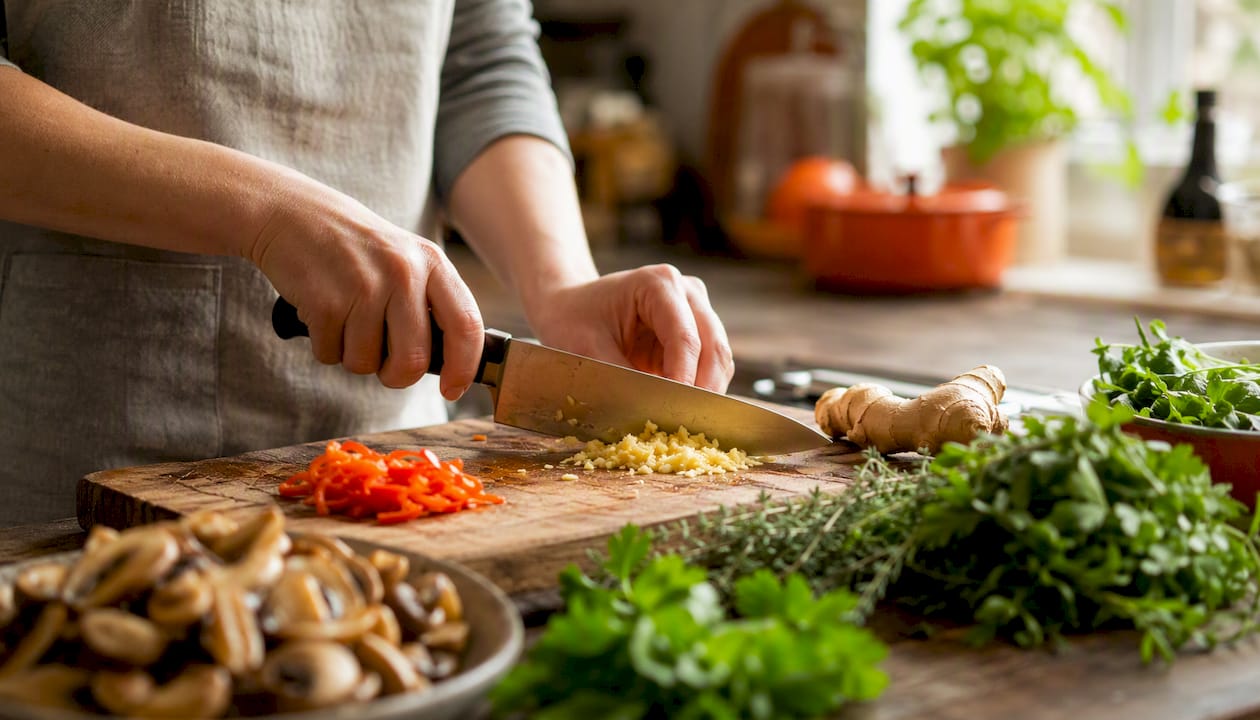
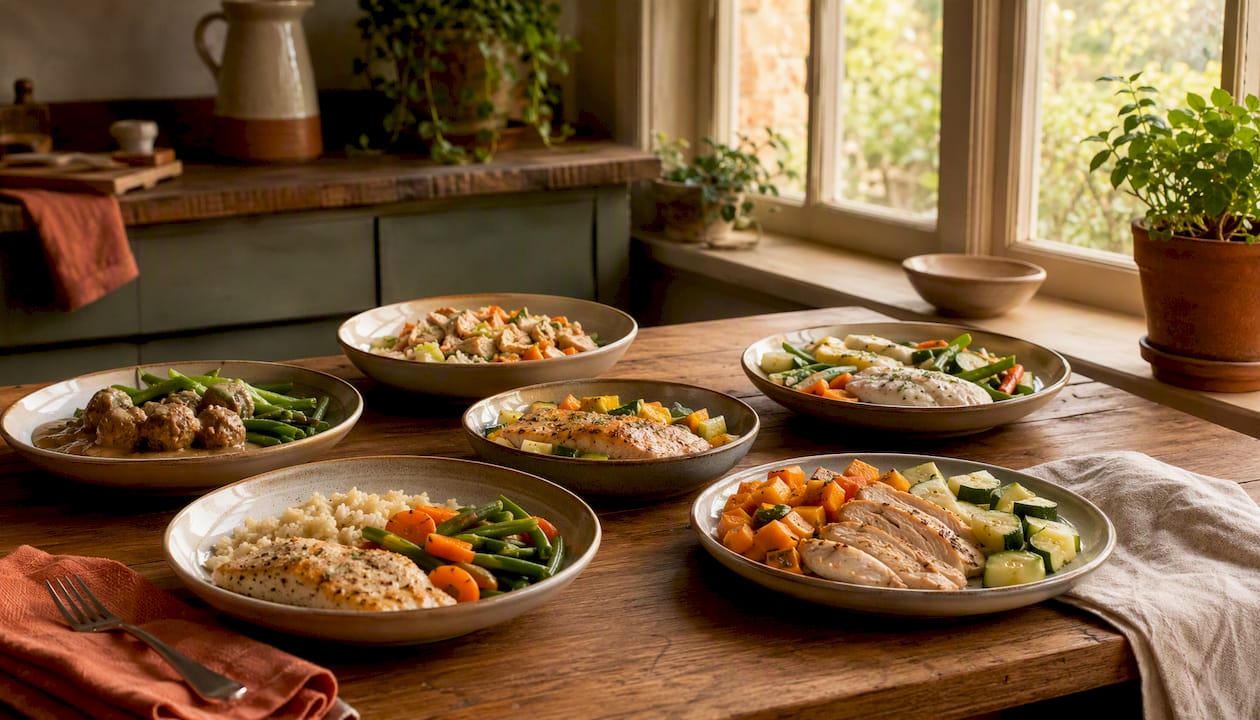
Six dinners that won’t fight back: baked cod with mashed sweet potato, chicken and rice soup, turkey and rice stuffed peppers, orzo chicken in light coconut milk, a tofu grain bowl, and a simple lentil stew. Each one skips the usual reflux triggers, keeps fat modest, and is sized to a portion your stomach can clear before bedtime. That combination matters more than any single ingredient, since a lean protein cooked the wrong way (fried, drowning in butter) can trigger symptoms just as fast as a tomato sauce.
Here’s the shortlist to pull from this week:
- Baked cod, mashed sweet potato, steamed green beans — swap butter for a drizzle of olive oil.
- Chicken and rice soup with carrots and celery — use low-sodium broth to skip hidden acidity.
- Turkey and rice stuffed bell peppers — use a pumpkin or ricotta base instead of tomato sauce.
- Orzo chicken in light coconut milk with spinach — skip the chili flakes; use fresh basil instead.
- Tofu and brown rice bowl with roasted zucchini — dress with tahini, not vinaigrette.
- Simple lentil stew with carrots and mild herbs — go easy on garlic; use garlic-infused oil instead.
Pro Tip: Finish cooking spicy or acidic components separately and add them in small, controlled amounts at the table. You get flavor where you need it without dosing the whole pot.
Key Takeaways
Low-acid ingredients, gentle cooking methods, modest portions, and an earlier finish time together do more to prevent nighttime reflux than avoiding any single food.
| Point | Details |
|---|---|
| Choose gentle cooking methods | Bake, steam, or poach instead of frying to keep fat low and digestion easier. |
| Swap known triggers | Replace tomato sauce, raw garlic, and full-fat dairy with lower-risk alternatives. |
| Finish eating early | Stop eating two to three hours before lying down to let your stomach empty. |
| Watch for hidden triggers | Check premade sauces and spice blends for garlic, onion, and vinegar powders. |
| Use a rotation, not rigid rules | Apps like Dr-pro can generate GERD-filtered recipes and shopping lists automatically. |
Table of Contents
- Common Dinner-Time Trigger Foods to Avoid
- Cooking Methods and Swaps That Make Dinner Gentler
- Six Easy GERD-Friendly Dinners to Rotate This Week
- Portion Size and Timing Rules That Cut Nighttime Reflux
- When Diet Alone Isn’t Enough
- Let an AI Assistant Handle the Dinner Rotation
- Sources
Common Dinner-Time Trigger Foods to Avoid
High-fat, spicy, fried, and acidic foods top the list of dinner-time reflux triggers, and each does damage a slightly different way. High-fat meals slow gastric emptying, which leaves food sitting in your stomach longer and raises the odds of it backing up. Spicy foods and alcohol tend to relax the lower esophageal sphincter, the valve that’s supposed to keep stomach acid where it belongs. Citrus, tomato sauce, and vinegar bring their own acidity straight to an already irritated esophagus. Johns Hopkins Medicine lists these categories, along with caffeine, chocolate, peppermint, and raw garlic and onion, as the most consistent offenders.
- Fried and high-fat foods: slow digestion and increase reflux risk.
- Spicy dishes and alcohol: relax the sphincter that keeps acid down.
- Citrus, tomato, and vinegar-based sauces: add direct acidity to the stomach.
- Caffeine and chocolate: both are known sphincter relaxants.
Watch for hidden versions of these in premade sauces, taco seasoning, and restaurant salad dressings. A jarred marinara or a bottled Italian dressing can undo an otherwise safe dinner.
Cooking Methods and Swaps That Make Dinner Gentler
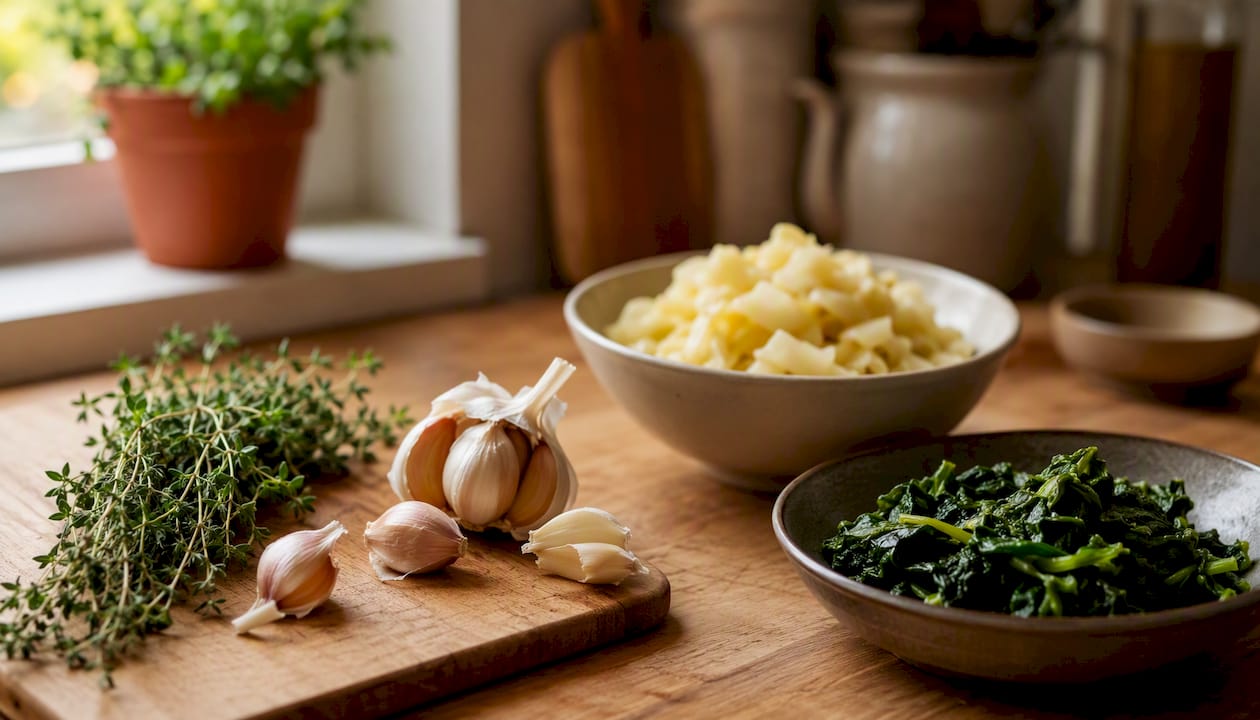
How you cook a dinner matters almost as much as what’s on the plate. Baking, steaming, and poaching keep fat low and skip the browned, greasy crust that frying or heavy sautéing leaves behind. That crust isn’t just extra fat, it’s also harder to digest, which means more time sitting in your stomach.
A few swaps make the biggest difference at dinner:
- Tomato sauce → pumpkin, cauliflower, or cashew cream base, which keeps the texture without the acid.
- Raw garlic and onion → garlic-infused oil, shallots, or fennel, preserving flavor without the fermentable fibers that trigger gas and pressure.
- Full-fat cream or cheese → low-fat dairy or a splash of unsweetened coconut milk, cutting fat without losing richness.
CHOP’s guidance on food therapy for reflux notes that cooking vegetables and proteins thoroughly breaks down the fibrous components that can otherwise irritate sensitive digestion, which is part of why a stew or baked dish tends to sit easier than a raw salad.
Pro Tip: Build flavor with fresh herbs, mild paprika, ginger, and a small amount of miso or sautéed mushrooms for umami. None of these are common triggers, and they do more work than salt or chili ever could.
Six Easy GERD-Friendly Dinners to Rotate This Week
These six dinners cover the bases: lean protein, a gentle starch, and a cooked vegetable, each with a built-in swap if one ingredient doesn’t sit right with you.
- Baked cod with mashed sweet potato and steamed green beans. Bake the cod at a moderate temperature for about 15 minutes; mash the sweet potato with a splash of low-fat milk instead of butter. Prep time: 30 minutes. Serve a moderate portion of fish for an evening meal. Make-ahead tip: mash extra sweet potato and freeze in single portions.
- Chicken and rice soup with carrots and celery. Simmer shredded chicken breast in low-sodium broth with rice, carrots, and celery until cooked through. This is naturally low-fat and gentle on digestion. Portion: one full bowl, no side needed. Freezes well for up to three months.
- Turkey and rice stuffed peppers (no tomato). Mix ground turkey, cooked rice, and a pumpkin or ricotta base instead of tomato sauce, then bake stuffed peppers until done. Serve one pepper per person. Swap: use ground chicken if turkey feels heavy.
- Orzo chicken with light coconut milk. Sauté chicken breast, then simmer with orzo, light coconut milk, and spinach for 20 minutes total. Keep the portion to about one cup. This reheats well with a splash of extra broth to loosen it up.
- Tofu and grain bowl with roasted zucchini. Roast cubed tofu and zucchini at 400°F for 20 minutes, then serve over brown rice with a tahini drizzle. A solid one-bowl dinner for busy nights. Prep the grains ahead and assemble in ten minutes.
- Simple lentil stew with carrots and mild herbs. Simmer lentils with carrots, thyme, and garlic-infused oil until lentils are tender. Naturally low-fat and high-fiber. Portion: one and a half cups. Make a double batch and refrigerate for easy reheats through the week.
Each of these works from the Meal Planner Guide framework of building a rotation instead of reinventing dinner from scratch every night.
Portion Size and Timing Rules That Cut Nighttime Reflux
Smaller portions eaten earlier lower your reflux risk more reliably than any single ingredient change. It is advisable to finish eating at least two to three hours before lying down, giving your stomach time to empty before gravity stops helping you. LiveDontDiet’s dinner guidance recommends the same window, often pushing it to three hours on heavier nights.
- Use a smaller plate to naturally cap portions.
- Eat slowly and chew thoroughly, since gulping food adds swallowed air and pressure.
- Stay upright for at least two hours after eating instead of settling onto the couch.
- Skip late, heavy desserts and alcohol, both of which relax the sphincter right when you don’t want it relaxed.
Pro Tip: On low-energy nights, a single-bowl dinner (soup, grain bowl, stew) beats a multi-course plate. It’s harder to overeat from one bowl, and there’s less temptation to go back for seconds late in the evening.
When Diet Alone Isn’t Enough
Some symptoms need a clinician, not another recipe swap. Unexplained weight loss, trouble swallowing, persistent vomiting, or any sign of blood are reasons to call a doctor promptly rather than adjust dinner one more time.
- Start with a primary care visit if symptoms persist beyond a few weeks of diet changes.
- Ask about a GI referral if symptoms are frequent or severe.
- Let a clinician guide decisions on antacids, H2 blockers, or PPIs. These aren’t self-prescribing decisions.
Clinical guidance treats diet and lifestyle changes as one part of a broader management plan, not a replacement for medical evaluation when symptoms don’t improve. Persistent symptoms deserve a conversation with a clinician, per NCBI’s clinical guidance, alongside whatever changes you make at dinner.
Why These Dinners Made the List
Every dinner above is low-acid, modest in fat, built on cooked vegetables and lean protein, and sized for evening eating. GERD affects roughly 20% of the population, and diet is typically the first line of defense before medication enters the picture. Selection criteria for each recipe:
- Ingredient risk (no raw allium, no tomato base, no fried components).
- Cooking method (baked, steamed, or simmered, never fried).
- Portion sized for an evening meal, not a lunch-sized plate.
- Make-ahead friendliness, since a tired weeknight is when GERD-safe choices fall apart fastest.
A Practical Note From The Kitchen
Meal planning for a sensitive stomach isn’t about a rigid list you follow forever. It’s about testing a handful of dinners, tracking what actually causes symptoms, and building a rotation of five or six meals you trust. Small experiments beat blanket restriction almost every time.
Let an AI Assistant Handle the Dinner Rotation
Rotating the same six safe dinners gets old fast, and swapping tomato for pumpkin or raw garlic for infused oil takes extra mental math on a tired night. Dr-pro’s roulette-style meal planner takes that math off your plate by generating GERD-conscious recipes on demand, complete with ingredients, nutrition information, and a shopping list built in.
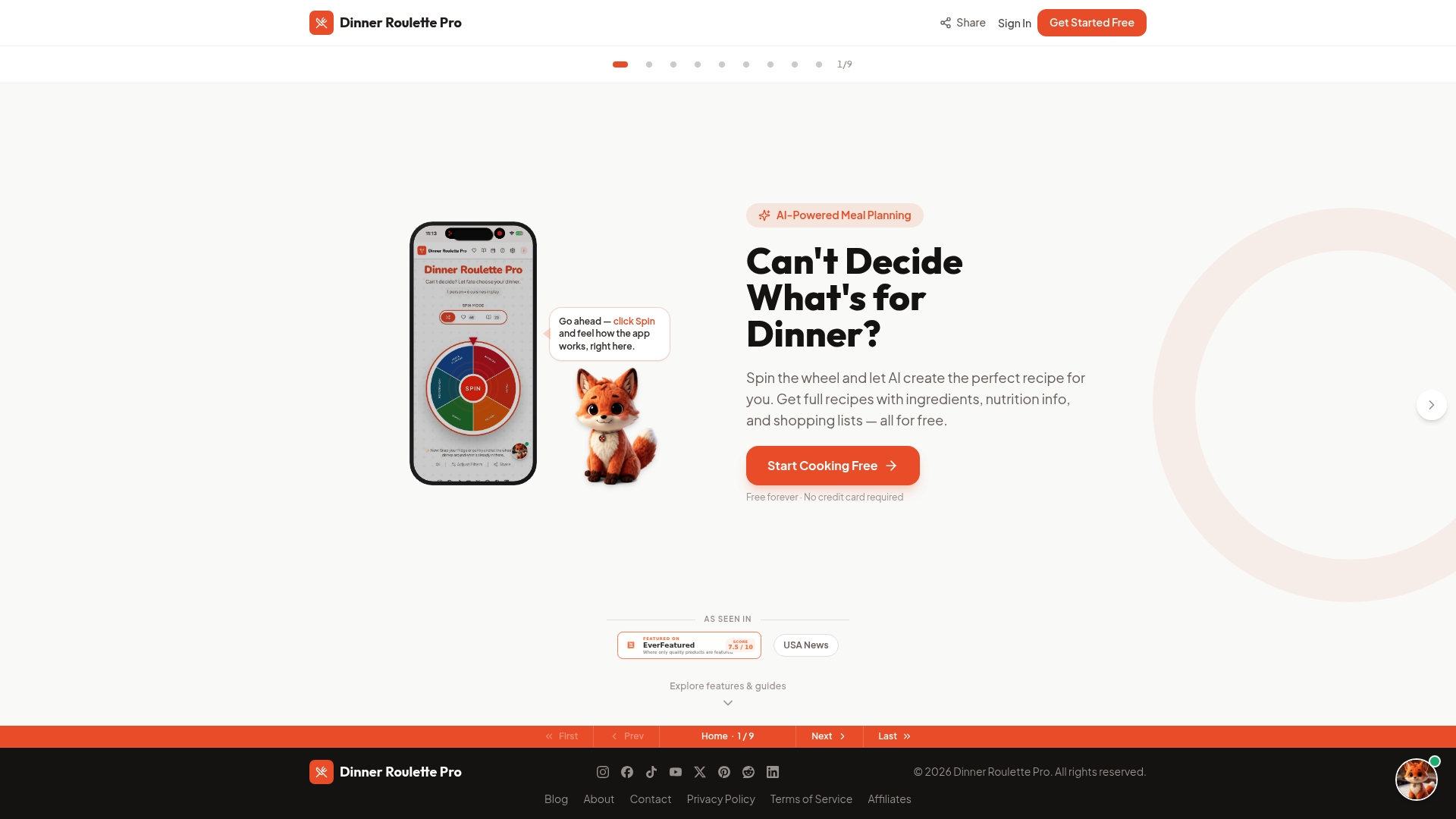
Set dietary restrictions once, and the app filters out common trigger ingredients automatically instead of asking you to remember them every night. It also builds a one-tap shopping list from whatever recipe you land on, so you’re not standing in the store rereading a spice blend label for hidden tomato powder. Pair it with the Nutrition Guide for portion and macronutrient context, or start by organizing a personal library of safe dinners with the Recipe Organization Guide. None of this replaces a doctor’s advice for persistent symptoms, but it does make tonight’s dinner a lot less complicated. Spin the wheel and get a recipe filtered to your restrictions in under a minute.
Sources
- GERD diet: foods that help with acid reflux (Heartburn) — Johns Hopkins Medicine
- 31 Best GERD Dinner Ideas for Calmer Nights (2026) — LiveDontDiet
- Food as medicine: food therapy for gastroesophageal reflux — Children’s Hospital of Philadelphia (CHOP)
- Ncbi
This article is general information, not a substitute for advice from a qualified doctor. Consult a qualified healthcare professional about your own circumstances before acting on anything here.