High Protein Dinners: Fast, Make-Ahead, and Plant-Based Ideas | Dinner Roulette Pro
August 25, 2026
High Protein Dinners: Fast, Make-Ahead, and Plant-Based Ideas
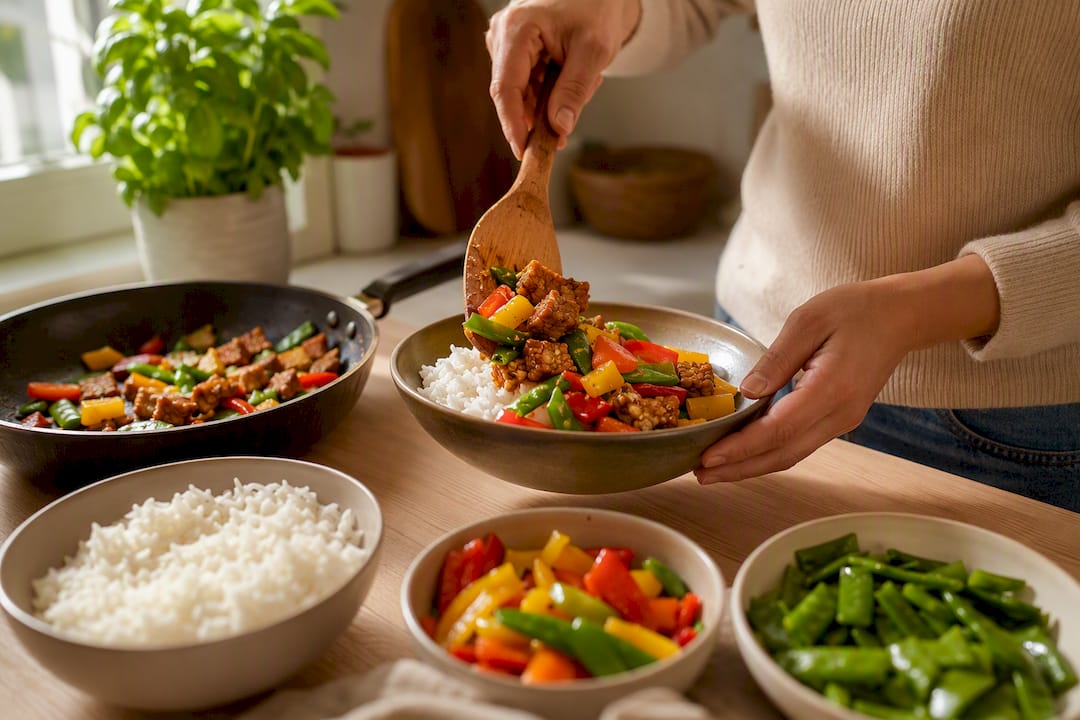
A useful high-protein dinner typically delivers a moderate to high amount of protein per serving. That single number is the anchor for everything below: 30-minute skillet meals, make-ahead bowls, plant-forward dinners, and no-cook plates that all land in that zone.
The fastest categories to lean on:
- 30-minute meals built around pre-cooked chicken, canned tuna, or shrimp
- One-pan dinners that roast protein and vegetables together
- Make-ahead bowls portioned for three or four nights at once
- Plant-forward plates using tofu, lentils, or chickpeas
- No-cook dinners for nights when the stove stays off entirely
Quick boosters when a meal falls short: stir in Greek yogurt, crack an extra egg into fried rice, or add a scoop of cottage cheese to a grain bowl.
Key Takeaways
Hitting 20 to 40 grams of protein at dinner comes down to anchoring the meal with a primary protein source and layering in fiber-rich or concentrated add-ons.
| Point | Details |
|---|---|
| Aim for 20 to 40g | Most balanced dinners fall in this range, scaling with body size and activity. |
| Use the anchor method | Pick a primary protein, then add smaller contributors until you hit your target. |
| Batch-cook once, eat four times | Bake proteins and grains separately, then portion into containers for the week. |
| Keep no-cook staples stocked | Canned fish, cottage cheese, and Greek yogurt cover nights with zero stove time. |
| Automate the planning | Dinner Roulette Pro generates protein-tagged recipes and shopping lists automatically. |
Table of Contents
- Best Quick 30-Minute High-Protein Dinners
- Make-Ahead and Meal-Prep High-Protein Dinners
- Plant-Forward High-Protein Dinners: Vegetarian and Vegan Options
- One-Pan and Sheet-Pan High-Protein Dinners
- No-Cook and Low-Effort High-Protein Dinners
- How to Hit Specific Protein Targets at Dinner
- Pantry and Fridge Boosters That Raise Dinner Protein
- How Dinner Roulette Pro Keeps Your Dinners High-Protein and Varied
- What Actually Sticks After Years of Weeknight Cooking
- Put Your High-Protein Dinners on Autopilot
- Sources
Best Quick 30-Minute High-Protein Dinners
Weeknights don’t leave room for fussy technique. These templates lean on pre-cooked proteins and pantry shortcuts so dinner lands on the table in half an hour, often with 30 grams of protein or more, which lines up with what Delish found when compiling its own list of fast, high-protein dinners.
- Sheet-pan salmon and broccoli. A high-protein salmon and broccoli dinner can be prepared in about 20 minutes and provides a substantial amount of protein. Skip marinating; salt, olive oil, and lemon at the end do the job.
- Ground turkey taco skillet. A ground turkey taco skillet dinner takes about 25 minutes to prepare and contains a significant protein amount. Brown the meat while rice cooks in the microwave.
- Shrimp scampi with high-protein pasta. Shrimp scampi made with high-protein pasta can be prepared in around 15 minutes and is protein-rich. Frozen shrimp thaws under warm running water in under five minutes.
- Chicken and white bean skillet. Chicken and white bean skillet dinners take approximately 25 minutes and offer a solid protein contribution. Rotisserie chicken cuts the cook time in half.
- Egg fried rice with edamame. Egg fried rice with edamame takes around 15 minutes and provides a moderate amount of protein. Use day-old rice so it doesn’t turn mushy.
The single biggest time-saver across all five: keep a rotisserie chicken or a bag of frozen shrimp on hand. Both go from freezer or fridge to plate faster than raw cuts that need trimming and seasoning.
Make-Ahead and Meal-Prep High-Protein Dinners
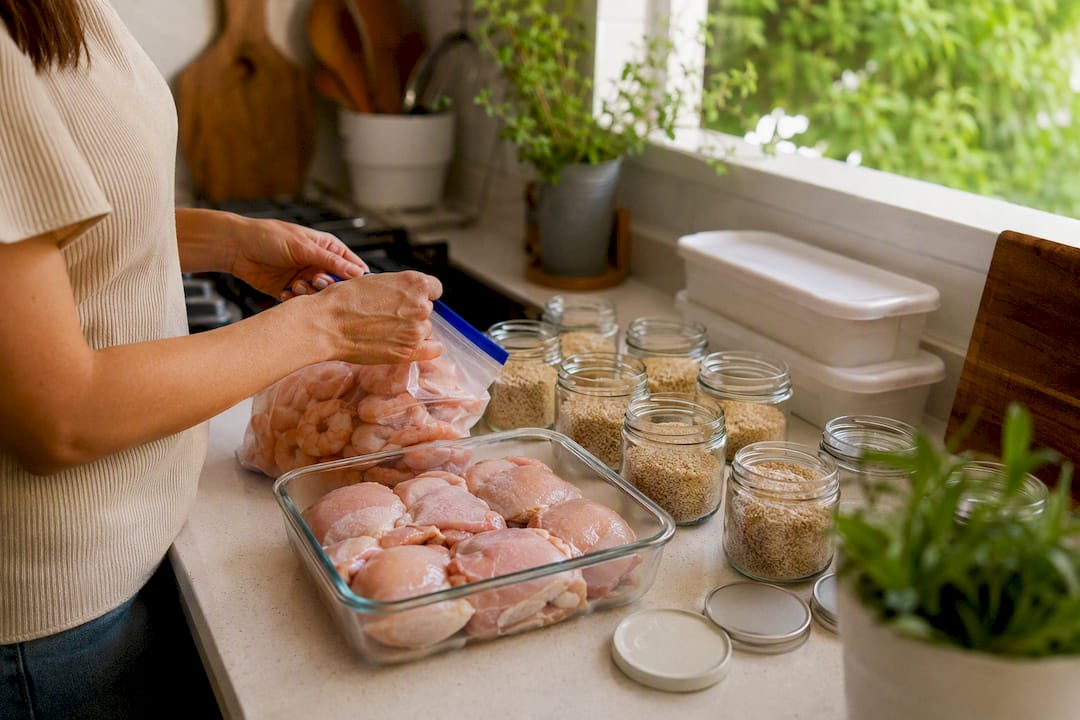
Batch cooking once and eating four times is the real trick to consistent high protein meals. The template barely changes: a baked or grilled protein, a cooked grain, and a roasted vegetable, portioned into containers for the week.
- Bake four chicken breasts or a pound of tofu on Sunday; store separately from grains so nothing goes soggy.
- Cook a large batch of farro, quinoa, or brown rice; it keeps well for five days refrigerated.
- Roast two trays of vegetables (broccoli, peppers, zucchini) to split across meals.
- Portion each bowl to include a moderate protein serving, typically around 4 to 5 ounces of protein source.
- Reheat covered with a splash of water to keep the protein from drying out.
Pro Tip: Undercook grains by two minutes when meal-prepping. They finish softening during the microwave reheat and won’t turn mushy by day four.
Buy proteins in bulk (family-pack chicken thighs, a big bag of frozen shrimp) and freeze grains in single portions if the week runs long.
Plant-Forward High-Protein Dinners: Vegetarian and Vegan Options
Tofu, tempeh, lentils, and chickpeas each anchor a plant-based dinner without leaving readers short on protein. The key is pairing a legume with a grain, since neither delivers a complete amino acid profile alone, but the combination does.
- Pan-seared tempeh over rice with peanut sauce provides a notable protein amount per serving.
- Red lentil dal with basmati rice delivers a moderate protein content, which can be increased by adding Greek yogurt.
- Chickpea and spinach curry provides a decent amount of protein, which can be raised with high-protein flour naan.
- Crispy baked tofu with quinoa and roasted vegetables offers a meaningful protein contribution per serving.
| Base Recipe | Vegan Version | Omnivore Add-On |
|---|---|---|
| Lentil dal | Coconut milk, skip dairy | Stir in Greek yogurt for extra protein |
| Chickpea curry | Use vegetable broth | Add shredded rotisserie chicken |
| Tofu stir-fry | Tamari instead of oyster sauce | Add a fried egg on top |
Concentrated boosters like nutritional yeast, hemp seeds, or peanut butter add 5 to 8 grams of protein without changing the dish’s flavor profile much.
One-Pan and Sheet-Pan High-Protein Dinners
One pan means one cleanup, and sheet-pan dinners consistently deliver 25 to 35 grams of protein per serving without much active cooking time.
- Sausage, peppers, and potatoes. Slice sausage in half lengthwise so it cooks at the same rate as the vegetables; about 30g protein.
- Sheet-pan chicken fajitas. Toss chicken strips and peppers together; chicken needs the full 20 minutes, so add peppers halfway through if they’re cut thick; delivers a substantial protein amount.
- Baked cod with asparagus. Fish cooks faster than most vegetables, so start the asparagus five minutes before adding the cod; provides a moderate to high protein serving.
Line the pan with parchment for a one-wipe cleanup, and slide everything straight onto plates from the pan rather than dirtying a serving dish.
No-Cook and Low-Effort High-Protein Dinners
Some nights don’t need a stove at all. NYT Cooking’s roundup of no-cook, high-protein dinners shows these can still clear 10 to 15 grams of protein per serving, and several options push well past that.
- Canned salmon or tuna over greens with a lemon vinaigrette, about 25g protein.
- Cottage cheese bowls topped with cherry tomatoes, cucumber, and olive oil, about 24g protein.
- Greek yogurt loaded with rotisserie chicken, chickpeas, and hot sauce, about 30g protein.
- Black bean tacos on corn tortillas with avocado and salsa, about 15g protein.
Precooked, shelf-stable proteins (canned fish, rotisserie chicken, pre-cooked lentils) are the backbone of every one of these.
How to Hit Specific Protein Targets at Dinner
The math behind any high-protein dinner comes down to an anchor plus add-ons. Start with a primary protein source, then layer in smaller contributors until the total protein reaches the goal, a method protein meal-planning tools use to simplify weekly planning.
- For 15g: two eggs (12g) plus a slice of cheese (6g), served over toast.
- For 25g: a 3-ounce chicken breast (25g) with a side of rice and vegetables.
- For 40g animal-based: a 5-ounce salmon fillet (35g) plus a cup of Greek yogurt on the side (5g more if worked into a sauce).
- For 40g plant-based: one cup of cooked lentils (18g) plus a cup of quinoa (8g) plus 2 tablespoons of hemp seeds (6g) plus a side of edamame (8g).
Rule of thumb: a 4 ounce portion of meat, fish, or tofu delivers roughly 25 to 30 grams on its own. Everything else is a top-up.
Pantry and Fridge Boosters That Raise Dinner Protein
A handful of ingredients can turn a mediocre dinner into one that clears 30 grams without any extra cooking.
- Greek yogurt (1 cup): adds a significant amount of protein, is affordable, and keeps well for two weeks.
- Cottage cheese (1 cup): adds a substantial amount of protein and can be stirred into pasta sauce or eaten plain.
- Canned white beans (1 cup): adds a notable protein boost and is shelf-stable for a long time.
- Hemp seeds (2 tablespoons): adds a modest protein boost, best sprinkled raw over finished dishes.
- Protein powder (1 scoop): adds a considerable protein boost, useful when a dish needs extra protein without altering volume or flavor. Whole-food boosters work better when texture matters, like in a bowl or salad.
How Dinner Roulette Pro Keeps Your Dinners High-Protein and Varied
Hitting 20 to 40 grams every night gets repetitive fast without a system. Dinner Roulette Pro generates recipes with protein counts attached, checks against allergies and dietary restrictions, and builds a shopping list automatically.
- Spin for a week of dinners, each tagged with protein grams and cook time.
- SafeMode simplifies choices on low-energy nights without dropping protein targets.
Pro Tip: Generate seven dinners at once, then batch-cook the two with overlapping ingredients first to cut prep time in half.
What Actually Sticks After Years of Weeknight Cooking
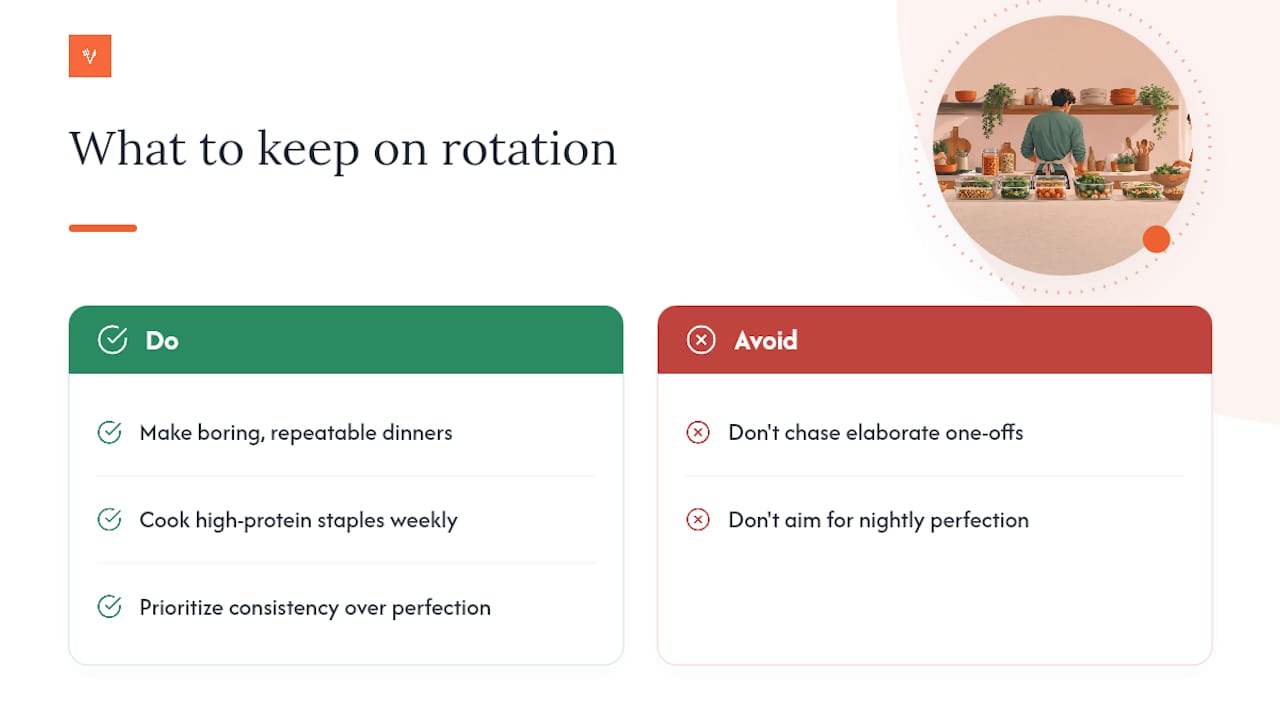
The dinners that survive in a real rotation aren’t the impressive ones. They’re the boring, repeatable ones: sheet-pan chicken, a bowl of lentils with whatever vegetable is about to go bad, canned salmon on a rushed Tuesday.
Perfection isn’t the goal here. A slightly imperfect high-protein dinner made four nights a week beats an elaborate one made once and abandoned. Consistency is what changes how you eat, not any single recipe.
— Jack
Put Your High-Protein Dinners on Autopilot
Picking a new high-protein recipe every night, checking the protein count, and writing a grocery list by hand is the part that wears people down, not the cooking itself. Dinner Roulette Pro removes that friction: spin the wheel, get a recipe with its protein grams and full nutrition breakdown already calculated, and let the app build your shopping list for you.
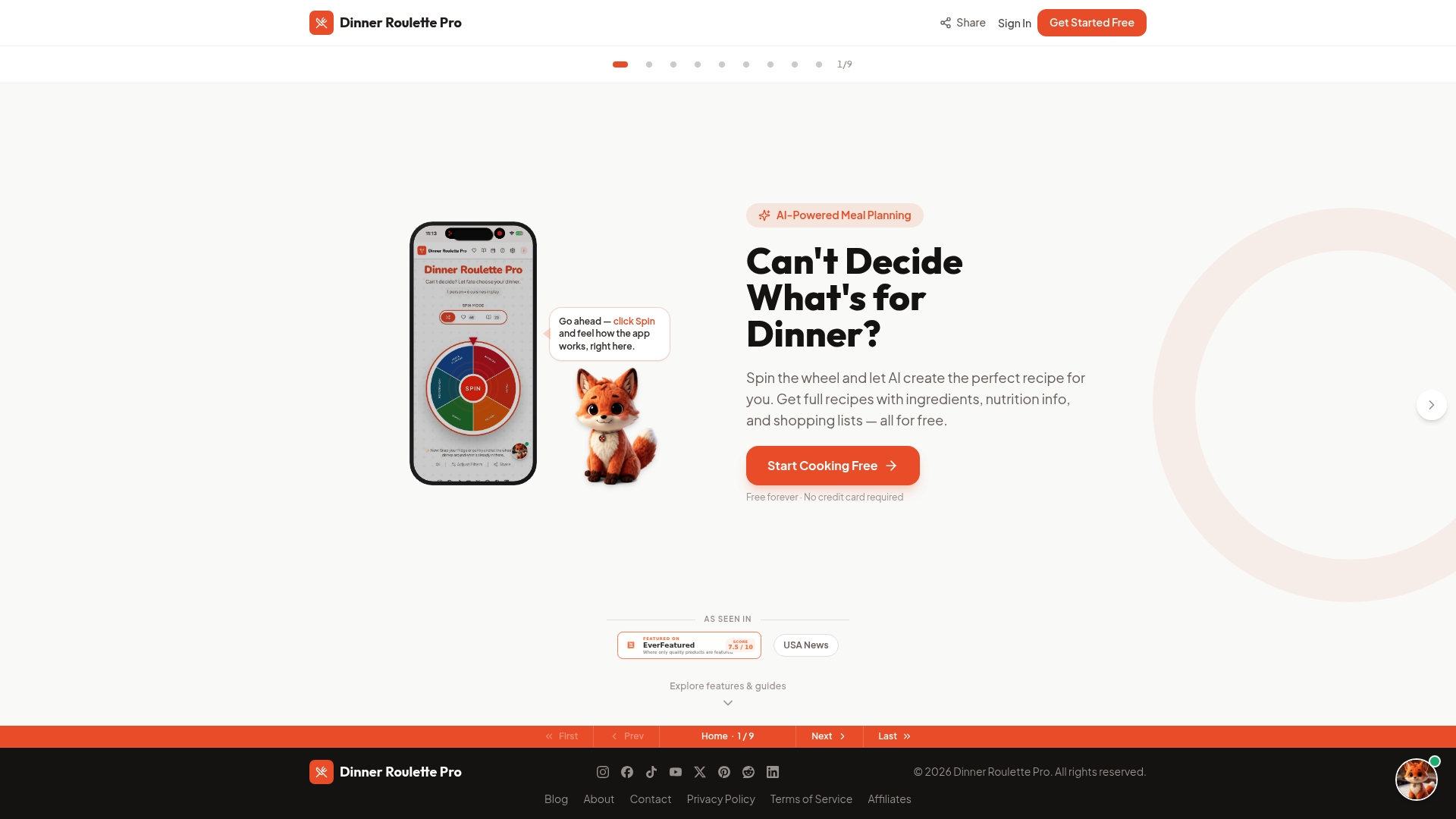
It also handles the scaling math automatically. If a recipe serves four and your household needs six, Smart Scale adjusts every ingredient without you doing the arithmetic, so your protein target per serving stays accurate no matter the batch size. Pair that with the shopping list guide to see how a week of dinners turns into one grouped grocery trip instead of five separate ones. Open the app and spin for tonight’s dinner.
Sources
- 15 No-Cook, High-Protein Dinners for Summer - NYT Cooking
- Ten 30-Minute Dinners With 30 Grams Of Protein (Or More!) - Delish
- Personalized Protein Meal Planner: Day, Week, Grocery List | ProteinCalc