Turn 5–10 Fridge Items Into Cookable Ingredient Based Recipes | Dinner Roulette Pro
September 10, 2026
Turn 5–10 Fridge Items Into Cookable Ingredient Based Recipes
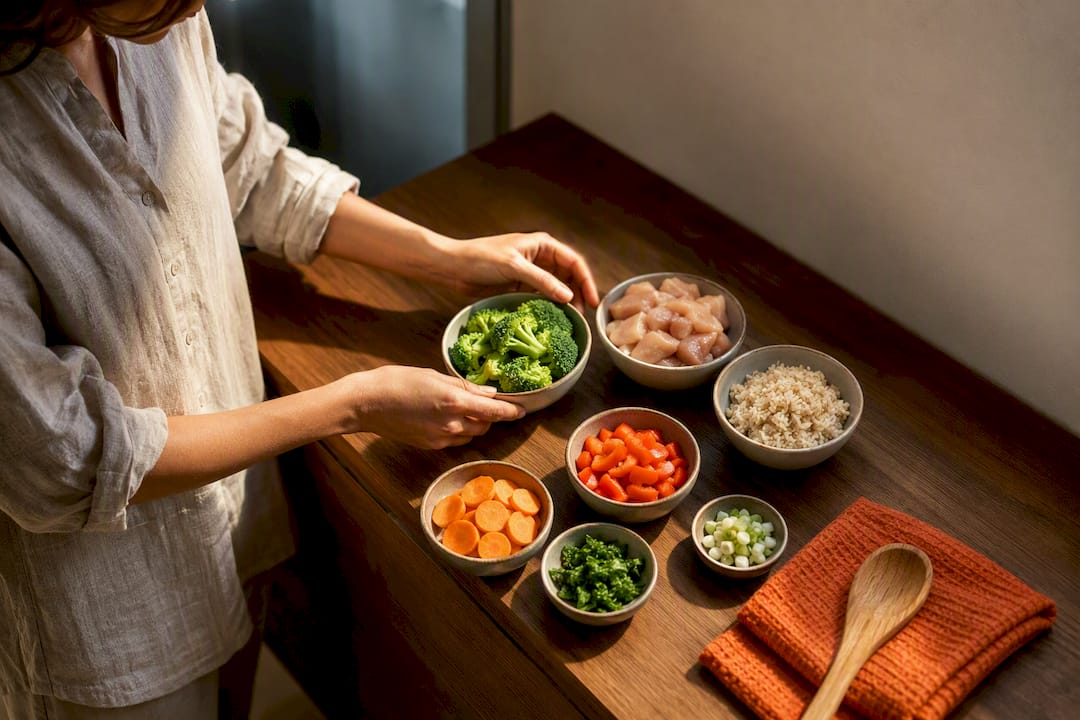
Enter the ingredients you have, set any dietary filters, and a recipe search tool or AI generator will hand you cookable meals for tonight. That is the entire idea behind ingredient-based recipes: instead of picking a dish and shopping for it, you start with what’s already in your fridge and work backward. One meal planning app is built around exactly this workflow.
TL;DR:
- Using specific ingredient names and cooking methods enhances the relevance and quality of AI-generated recipes.
- Listing five to ten well-chosen ingredients, starting with the main item, balances creativity with practicality in recipe results.
- Including detailed details like the cut of meat, sauce, or cooking style sharpens the recipe’s accuracy and flavor profile.
- Leftover foods such as rice, chicken, or bread can be transformed into new meals with simple, reliable reuse methods.
- Leftovers are safest within three to four days in the fridge, and freezing is recommended for longer storage to prevent foodborne illness.
Table of Contents
- How Do Ingredient-Based Recipe Tools Actually Work?
- How Do You Turn Your Ingredients Into a Cookable Recipe?
- What Makes AI-Generated Recipes Better or Worse?
- What Can You Make From Common Leftovers?
- How Long Are Leftovers Safe to Use in a New Recipe?
- Why Dinner Roulette Pro Fits This Workflow
- Small Habits That Actually Cut Food Waste
- Try Dinner Roulette Pro Tonight
- Sources
How Do Ingredient-Based Recipe Tools Actually Work?
There are two different engines running under the hood, and knowing which one you’re using changes how you should type in your ingredients.
A recipe-database search matches your ingredients against a library of existing recipes and shows you the closest fits. An AI recipe generator does something different: it builds a new recipe from scratch based on exactly what you typed, blending flavor logic and cooking technique rather than pulling from a fixed catalog. Neither approach is better across the board. Search tools tend to give you tested, reliable recipes; generators give you more flexibility when your fridge holds an odd combination nobody has written a recipe for yet.
Most tools share a similar interface once you dig in:
- An ingredient input field where you list what you have
- A “pantry staples” toggle that assumes you own salt, oil, and basic spices without listing them
- An exclude filter for allergens or ingredients you dislike
- Cuisine and cooking-time settings to narrow the style and speed of the result
The output usually includes a full recipe with steps, suggested substitutions if you’re missing an item, and sometimes a shopping list for anything you still need. Most tools also let you regenerate or tweak one ingredient and try again, which is often faster than starting over with a whole new list.
How Do You Turn Your Ingredients Into a Cookable Recipe?
Getting a genuinely useful recipe out of any ingredient-based tool comes down to how you write the list, not just what’s in it.
- Name your main protein or starch first. “Boneless chicken thighs” tells the tool far more than “chicken,” and “basmati rice” behaves differently in a recipe than “rice” in general.
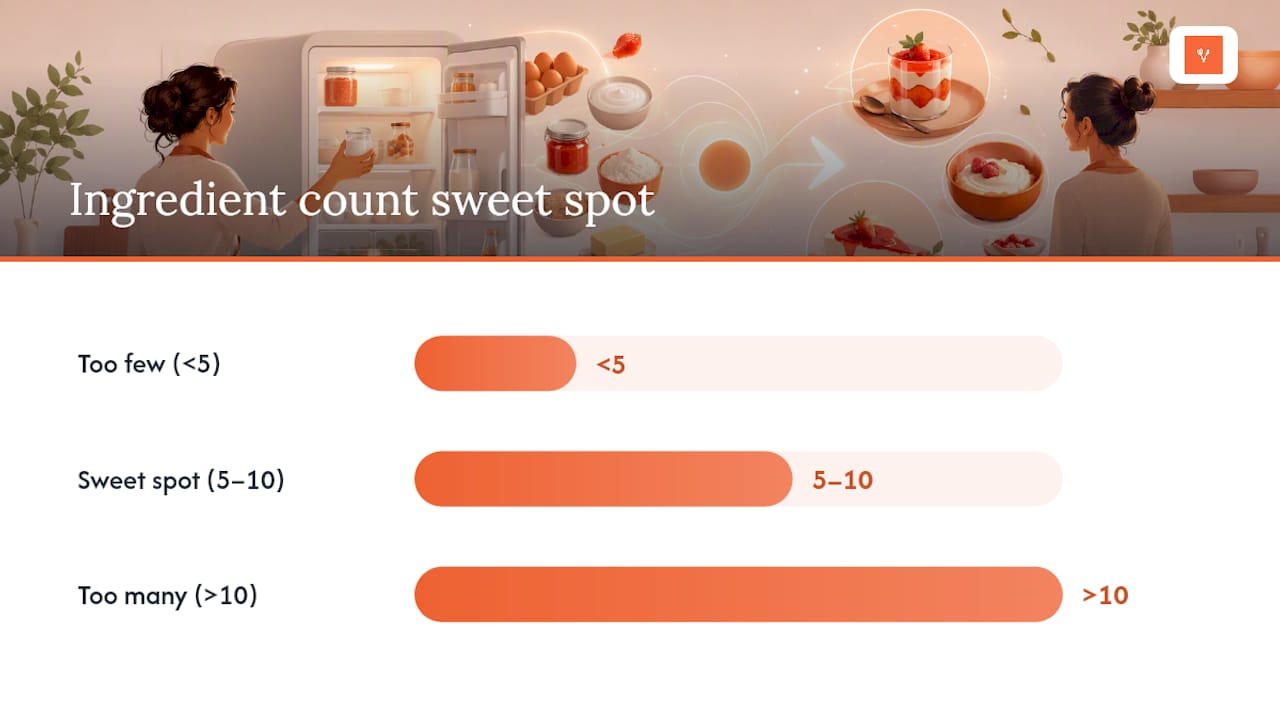
- List five to ten ingredients, mixing one main item, one or two flavoring agents (garlic, soy sauce, lime), and any staples you want included.
- Pick a cuisine style and a time limit if the tool offers them. This narrows thousands of possible directions down to something you’ll actually cook tonight.
- Use the exclude filter for allergens or ingredients you’re avoiding, and decide whether to allow pantry staples or force an ingredients-only recipe.
- Read the result critically. If it looks off, swap one ingredient or hit regenerate rather than abandoning the whole search.
Pro Tip: Type your main ingredient first, always. Most generators weight the first item you list more heavily when deciding the dish’s core direction, so “shredded rotisserie chicken, tortillas, cheese” behaves very differently from “cheese, tortillas, shredded rotisserie chicken.”
Five to ten ingredients tends to be the sweet spot. Fewer than that, and the tool has too little to work with. More than that, and it often overcomplicates the dish trying to use everything.
What Makes AI-Generated Recipes Better or Worse?
The quality gap between a mediocre AI recipe and a genuinely cookable one almost always comes down to input specificity. Naming the cut or variety of an ingredient, rather than the generic category, gives the model a much clearer target to hit.
A few adjustments make a measurable difference:
- Name the specific cut or type: “ground turkey” instead of “meat,” “sourdough” instead of “bread”
- Include one sauce or acid, like a splash of vinegar or a spoon of miso, to steer the whole flavor profile
- Add a cooking method (roast, pan-fry, simmer) when the first result feels generic
- Attach a time constraint if the recipe you got back takes longer than you have tonight
One AI recipe generator’s own guidance recommends listing five to ten ingredients and naming the main item first, disabling the pantry-staples toggle if you want a recipe that uses only what you listed. That range balances creativity against precision. Too few ingredients and the tool guesses wildly; too many and it starts padding the dish with filler just to use everything you typed.
Quick fix: if a returned recipe reads flat or generic, don’t scrap it. Add one cooking method and regenerate. That single word often reshapes the entire dish.
What Can You Make From Common Leftovers?
Some leftovers are more valuable than the meal they came from, once you know the reuse pattern. A handful of transformations cover most of what ends up forgotten in the fridge.
- Leftover rice → fried rice. Fry cold rice with a beaten egg, frozen peas, and a splash of soy sauce for a five-minute dinner.
- Roast chicken and rice → biryani-style casserole. Layer shredded chicken and rice with warmed spices and bake until the edges crisp, a trick chefs interviewed by NPR Illinois use to resuscitate plain leftovers.
- Roast chicken carcass → stock. Simmer bones with vegetable scraps for an hour and you’ve got the base for three more meals.
- Grilled chicken and tortillas → quesadillas or panini. Press between two tortillas with cheese for a lunch that takes less time than the search for what to make.
- Stale bread → croutons or bread pudding. Cube and toast for croutons, or soak in egg and milk for a dessert, both patterns Illinois Extension lists as reliable reuse options.
- Leftover fish → fish cakes. Mash cooked fish with mashed potato and an egg, form patties, and pan-fry until golden.
When you feed these into a recipe tool, be specific: “leftover roast chicken, cooked rice, frozen peas, soy sauce” returns a far more usable fried-rice recipe than just typing “chicken and rice.” Several culinary sources treat these transformations as some of the most reliable, high-utility fixes for food waste.
How Long Are Leftovers Safe to Use in a New Recipe?
Cooked leftovers stay safe in the refrigerator for three to four days, according to USDA food safety guidance. Past that window, the risk of foodborne illness rises even if the food looks and smells fine.
- Freeze anything you won’t use within four days rather than letting it sit and expire.
- Reheat leftovers until they reach 165°F throughout, stirring or rotating so heat spreads evenly.
- Watch for red flags: off smells, sliminess, or visible mold mean toss it, no exceptions.
- When you mix ingredients into a new dish, double check allergen safety, especially with sauces or premade components you didn’t cook yourself.
Why Dinner Roulette Pro Fits This Workflow
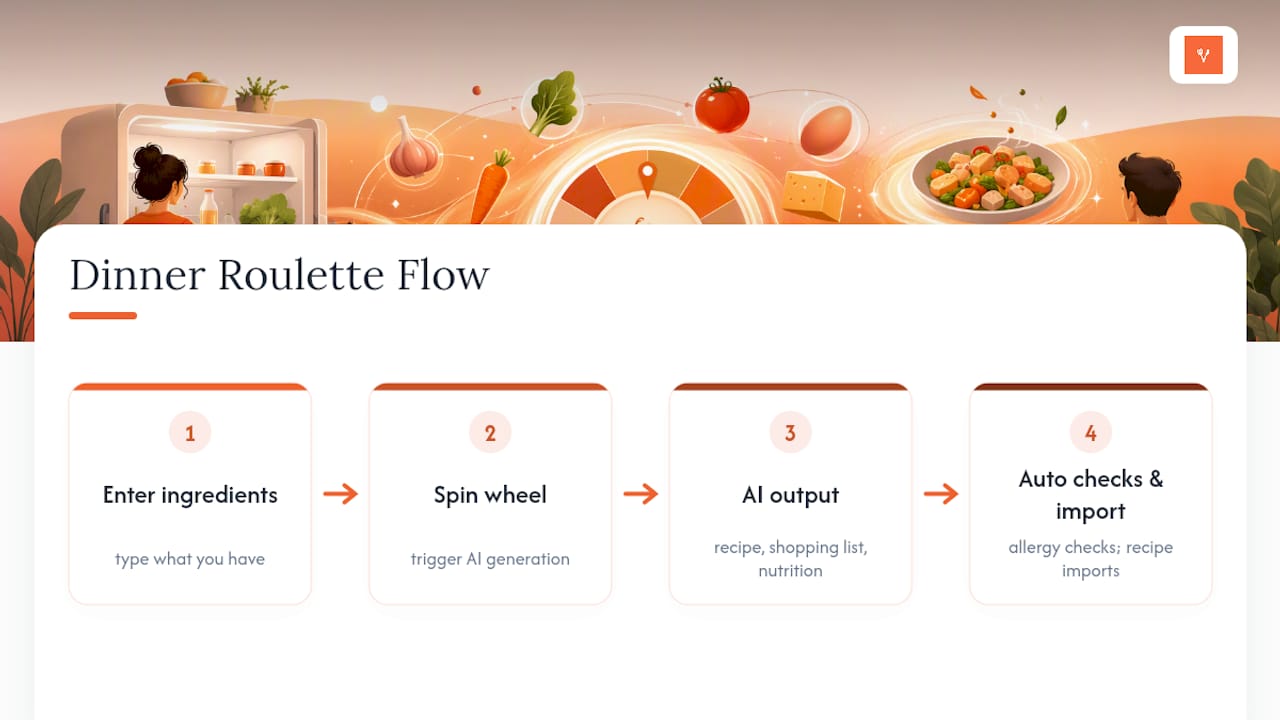
There are apps built around this process where you enter the ingredients you have, spin a wheel, and the AI generates a full recipe with a shopping list and nutrition information attached, often at no cost. Dietary restriction settings and allergy checks may run automatically to help avoid conflicts with allergies. Some also offer recipe-import features to adapt dishes found elsewhere around your own ingredients, and shopping lists help bridge the gap between “here’s a recipe” and “here’s what I still need to buy.” These provide a practical shortcut through the same steps one might otherwise do by hand.
Small Habits That Actually Cut Food Waste
The single change that saves the most food isn’t a fancy tool. It’s picking one night a week to cook only from what’s already in the fridge, no grocery run allowed. Keep a running list of five to ten items you have on hand, including your pantry staples, and you’ll spend less time standing in front of the open fridge deciding nothing. Try it once before you judge whether it works, and always double check cook times and allergens on anything a generator hands you.
— Jack
Try Dinner Roulette Pro Tonight
Some apps let you spin a wheel to get a full recipe built from what you already have, along with nutrition information and a shopping list attached, often at no cost. Such tools can be particularly useful if you have odd leftovers sitting in the fridge.
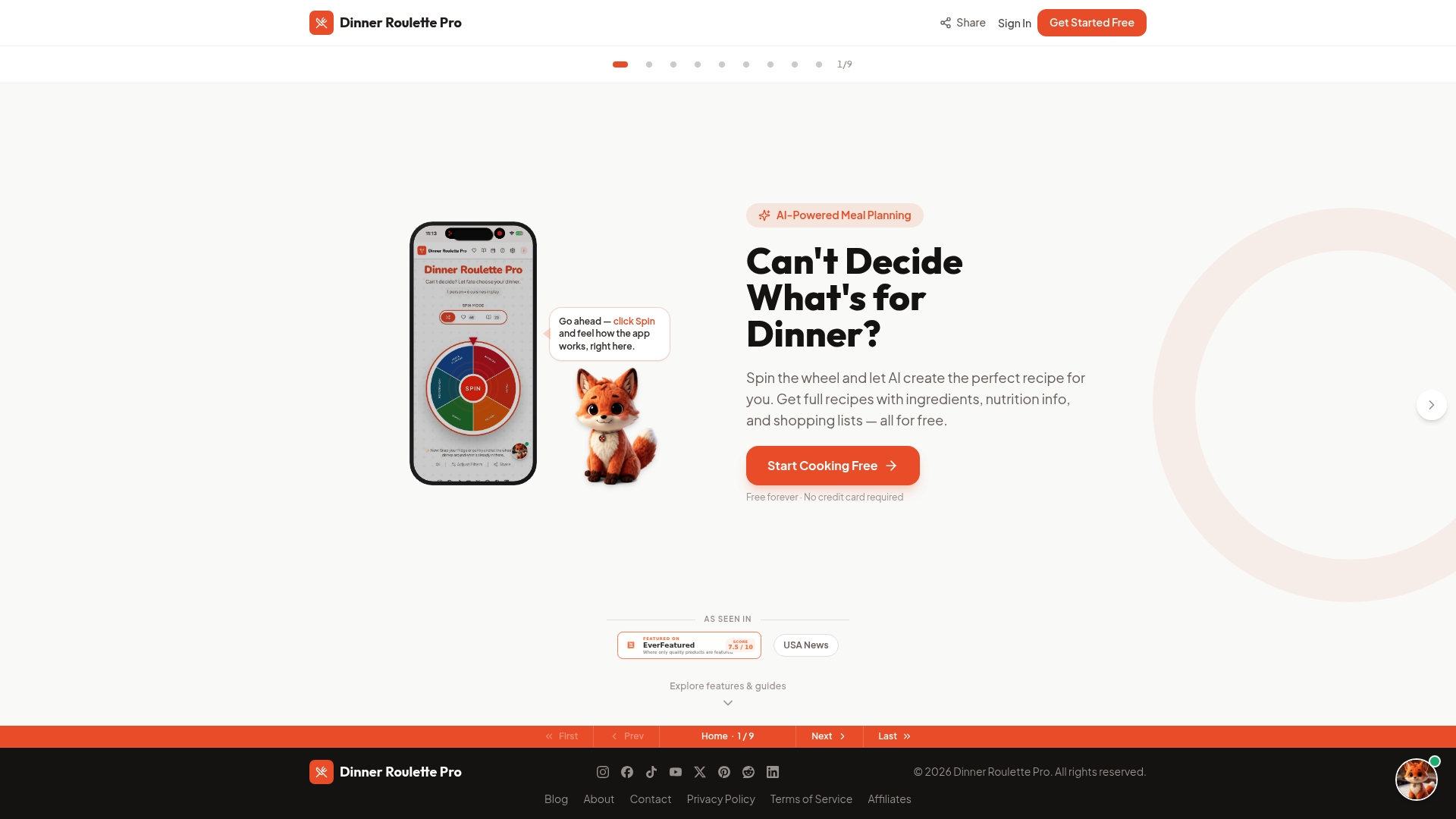
Once you generate a few recipes you like, the Recipe Organization Guide walks you through saving and sorting them so you’re not starting from zero every week. And if a generated recipe needs a grocery run for the two or three items you’re missing, the Shopping List Guide shows you how to build and export that list in seconds. Open the app, list what’s in your fridge, and spin.
Sources
- Leftovers and food safety — USDA Food Safety and Inspection Service
- Leftovers — Illinois Extension (University of Illinois)
- AI Recipe Generator (Free) – Create Recipes From Ingredients You Have — RecipeGrids
- 15 ways to transform leftovers into new meals — Food & Wine