Eight Fast Meals From Leftovers You Can Make Tonight | Dinner Roulette Pro
August 23, 2026
Eight Fast Meals From Leftovers You Can Make Tonight
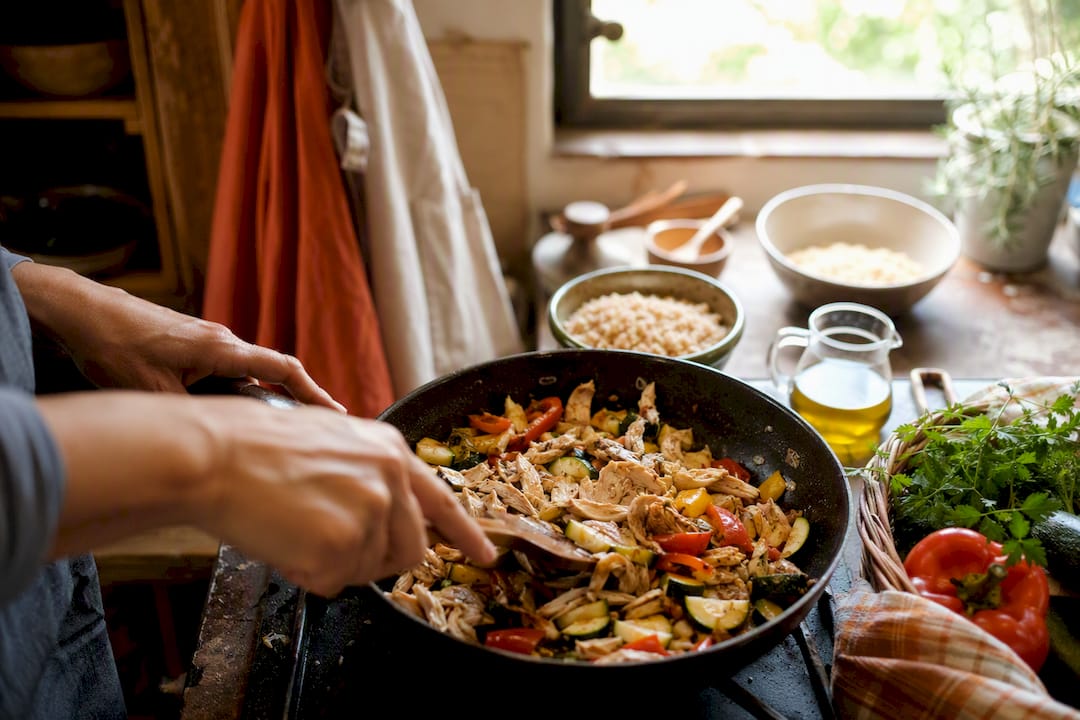
Cold rice becomes fried rice better than fresh rice ever will. Roast chicken turns into a skillet dinner or a pot of soup in under 20 minutes. Roasted vegetables fold into a frittata. Cooked pasta gets a second life in a skillet with fresh greens tossed in at the end. Cooked beans go straight into tacos or a grain bowl. These aren’t creative stretches. They’re the fastest, most reliable meals from leftovers you can make, and each one works because of something specific about the leftover itself.
- Cold, day-old rice → fried rice. The grains have dried out just enough to fry instead of steam, and chilling converts some of the starch into a resistant form that’s easier on blood sugar.
- Roast chicken or beef → skillet dinner or soup. Already cooked through, it just needs reheating and a sauce.
- Cooked grains (quinoa, farro, rice) → grain bowls. Add a fried egg, whatever vegetables are wilting, and a bright dressing.
- Roasted vegetables → frittata or omelet. Eggs bind almost anything.
- Leftover pasta → skillet or bake. A splash of water loosens the sauce right back up.
- Cooked beans → tacos or salad. They’re already seasoned, so this is mostly assembly.
- Braised meats or stews → shredded filling. Sandwiches, quesadillas, or a baked potato topper.
Keep rice, roasted vegetables, and shredded meat on hand more than anything else. They convert into new dinners the fastest, and none of them requires a trip to the store.
Key Takeaways
The fastest meals from leftovers rely on a handful of repeatable templates, not individual recipes, and cold storage habits determine whether those leftovers are safe to use at all.
| Point | Details |
|---|---|
| Use cold grains for frying | Day-old rice fries better than fresh rice because it’s drier and holds its shape in the pan. |
| Follow the skillet sequence | Sear firm leftovers first, add soft ones last, and finish with a pan sauce or acid. |
| Cook double on purpose | Batch roasts, braises, and stews specifically to create planned leftovers for later in the week. |
| Cool and reheat safely | Refrigerate within two hours, eat within about four days, and reheat to 165°F only once. |
| Automate the fridge-raid step | Dr-pro turns entered leftover ingredients into a spun recipe and shopping list in a few taps. |
Table of Contents
- What Are the Best Templates for Turning Leftovers Into Dinner?
- Which Recipes Actually Work With Random Fridge Leftovers?
- How Do You Plan Meals That Leave Good Leftovers?
- How Long Can You Safely Keep Leftovers Before Reheating?
- How Can an App Turn Leftover Ingredients Into a Full Meal Plan?
- Why Fridge-Raid Templates Beat Recipe Hunting
- Turn Tonight’s Leftovers Into Tomorrow’s Dinner With Dr-pro
- Frequently Asked Questions About Meals From Leftovers
- Sources
What Are the Best Templates for Turning Leftovers Into Dinner?
Specific recipes are useful, but a formula is what actually gets you through a random Tuesday with three unlabeled containers in the fridge. Here are the four templates that cover almost every leftover situation.
- The fried-grain formula. Cold grain, plus aromatics (garlic, ginger, scallion), plus a fat for the pan, plus an egg or leftover protein, plus a finishing splash of soy sauce or vinegar at the very end. Cold rice is non-negotiable here. Warm or fresh rice clumps and steams instead of frying, while day-old rice separates into distinct grains and browns at the edges.
- The egg-bake formula. Eggs, plus cooked vegetables, plus a binder (a splash of milk or cream), plus an optional handful of grain or cheese. Whisk, pour over whatever’s in the pan, and bake or finish stovetop with a lid on.
- The skillet-dinner formula. Crisp your aromatics first, sear the firmest leftovers next (roasted potatoes, dense meat), add softer items last so they don’t turn to mush, then finish with a pan sauce. This order matters more than the ingredients themselves. A Monday-night skillet method built on that exact sequence is one of the more reliable ways to make disparate leftovers taste intentional.
- The sandwich, wrap, or salad conversion. Balance fat, acid, texture, and one fresh element. Shredded braised meat needs a pickled or crunchy vegetable to cut the richness; a bean salad needs a squeeze of lemon it didn’t have the night before.
The seasoning question trips up a lot of home cooks. If a dish tastes flat, don’t reach for salt first. Reach for acid. Reheating mutes brightness before it mutes salt, so a squeeze of lime or a splash of vinegar often fixes a dish faster than another pinch from the shaker.
Pro Tip: Taste before you season anything reheated. Leftover sauces and braises often carry more salt than you remember, and adding more first makes the dish harder to balance later.
Which Recipes Actually Work With Random Fridge Leftovers?
These five apply the templates above to the containers you’re most likely to actually have.
- Leftover fried rice. Heat a wok or wide skillet until it’s genuinely hot before the oil goes in. Break up cold rice with your hands first so no clumps hit the pan. Push cooked rice to one side, scramble an egg in the cleared space, then fold everything together with a two-to-one ratio of soy sauce to sesame oil. The whole dish takes about eight minutes, and it’s the most-repeated leftover conversion for a reason: it works with almost any protein or vegetable you throw at it.
- Roast-chicken skillet with a quick pan sauce. Sear any crisp-skinned pieces first, remove them, then deglaze the pan with a splash of broth or wine. Whisk in a pat of butter, add the chicken back, and toss with whatever vegetables need using. Swap broth for cream if you want something richer, or lemon juice if you want it lighter.
- Grain-and-egg muffin cups. Mix cooked grain, chopped roasted vegetables, and beaten eggs, then bake in a muffin tin at 350°F for about 20 minutes. They reheat in a microwave in under a minute and hold up well for grab-and-go breakfasts or lunches, echoing the same lunch-friendly leftover logic mainstream recipe sites lean on for weeknight dinners that double as next-day meals.
- Creamy leftover-vegetable soup. Blend roasted or steamed vegetables with broth for a smooth soup, or leave them chunky and add a can of beans for texture. Thin with more broth if it’s too thick after reheating, and finish with a swirl of cream or a spoon of yogurt right before serving.
- Pasta skillet or bake. Loosen sauced pasta with a splash of water or broth before reheating, since the noodles absorb sauce as they sit. Add a fresh vegetable, like spinach or cherry tomatoes, at the very end so it’s not overcooked, and top with cheese if you’re baking it rather than working in a skillet. Both BBC Good Food’s leftover collection and Allrecipes’ everyday leftovers hub treat pasta bakes as one of the most requested leftover formats, likely because the technique barely changes no matter what sauce you’re starting with.
How Do You Plan Meals That Leave Good Leftovers?
Some dishes are built for a second life and some just aren’t. Roasts, braises, stews, and big batches of grains hold up to reheating far better than delicate items like fried fish or a dressed salad. Planning around that difference saves you real time during the week.
- Cook double on purpose. Roast two chickens instead of one, or make a stew big enough for three meals. Braises and stews in particular often taste better a day or two later as the flavors settle and deepen overnight.
- Portion before you refrigerate, not after. Split the batch into meal-sized containers while it’s still warm from cooking rather than digging through one giant pot three nights later.
- Label with a date, not just contents. A sticky note with the day you cooked it removes the guesswork about whether it’s still good.
- Try a cook-once, eat-three-ways week. Sunday: roast a chicken. Monday: shred it into a skillet dinner with roasted vegetables. Tuesday: simmer the carcass and remaining meat into soup. Wednesday: pile what’s left onto a sandwich with a quick slaw.
Chefs increasingly treat leftovers as a built-in second meal rather than an afterthought, which is really just planning with tomorrow’s dinner already in mind. If you want the whole week mapped out instead of winging it meal by meal, a structured weekly plan makes the double-cooking approach easier to stick to.
How Long Can You Safely Keep Leftovers Before Reheating?
Cool leftovers within two hours of cooking, refrigerate them promptly, and eat most within four days. Some cooks know this as the “2-2-4” shorthand, and it’s a decent rule of thumb even though exact guidance varies slightly by food type.
- Cool fast. Split large batches of soup or stew into shallow containers so the middle doesn’t stay warm for hours in the fridge.
- Reheat to 165°F. Use a food thermometer if you have one, especially for poultry and rice dishes.
- Reheat once. Repeated cooling and reheating cycles raise the risk of bacterial growth each time.
- Freeze what you won’t eat in four days. Most cooked grains, soups, and braises freeze well for one to three months without much texture loss.
- Pack tightly. Air exposure dries out proteins and turns rice hard in the freezer, so press plastic wrap directly onto the surface before sealing.
How Can an App Turn Leftover Ingredients Into a Full Meal Plan?
Staring into the fridge and guessing what goes together is where most leftover plans fall apart. Dinner Roulette Pro built its whole approach around removing that guesswork.
- Enter what’s actually left in your fridge, from half a rotisserie chicken to two cups of cooked rice.
- Set allergy and diet filters once, and every recipe generated respects them automatically.
- Spin the wheel for a randomized recipe suggestion built around your specific leftovers.
- Get a finished recipe with a shopping list for the two or three extra items you need to fill the gap.
The workflow mirrors the fridge-raid templates above, just automated: input, filter, spin, cook.
Pro Tip: Enter your leftovers by category (protein, grain, vegetable) rather than by dish name. It gives the recipe generator more combinations to work with than typing “leftover chicken parm” ever will.
Why Fridge-Raid Templates Beat Recipe Hunting
Most advice on leftovers still points readers toward long, specific recipes: a leftover-turkey pot pie with 14 ingredients, a casserole with a full grocery list. That’s backwards for a weeknight. What actually gets dinner on the table is a formula you’ve internalized, not a recipe you have to reread three times.
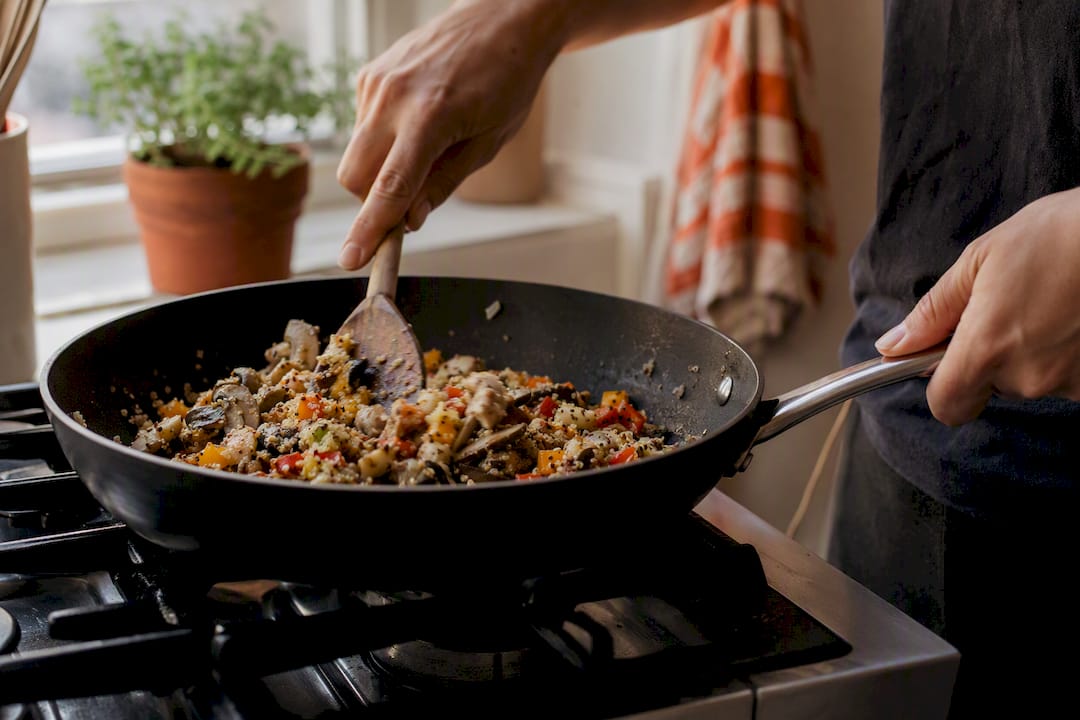
The templates in this article work because they’re built around technique, not inventory. Sear firm things first. Add soft things last. Finish with acid, not more salt. Once that sequence is automatic, it doesn’t matter whether the leftover is Tuesday’s roast chicken or Thursday’s stir-fry. That’s the real gap between advice that sounds good and advice that survives an actual Tuesday: specificity should live in the method, not the ingredient list.
Where I’d push back on convention: batch-cooking guides love telling you to “cook once, eat three times,” but they rarely mention that the third meal needs the most transformation, not the least. By day three, a straight reheat gets boring. Plan your biggest format change (soup, tacos, a grain bowl) for whatever leftover sits longest.
Turn Tonight’s Leftovers Into Tomorrow’s Dinner With Dr-pro
Recipe blogs give you one leftover conversion at a time. Dr-pro gives you a randomized generator built to handle whatever combination is actually sitting in your fridge, complete with allergy checks and diet filters so you’re not manually cross-referencing ingredients against a family member’s restrictions.
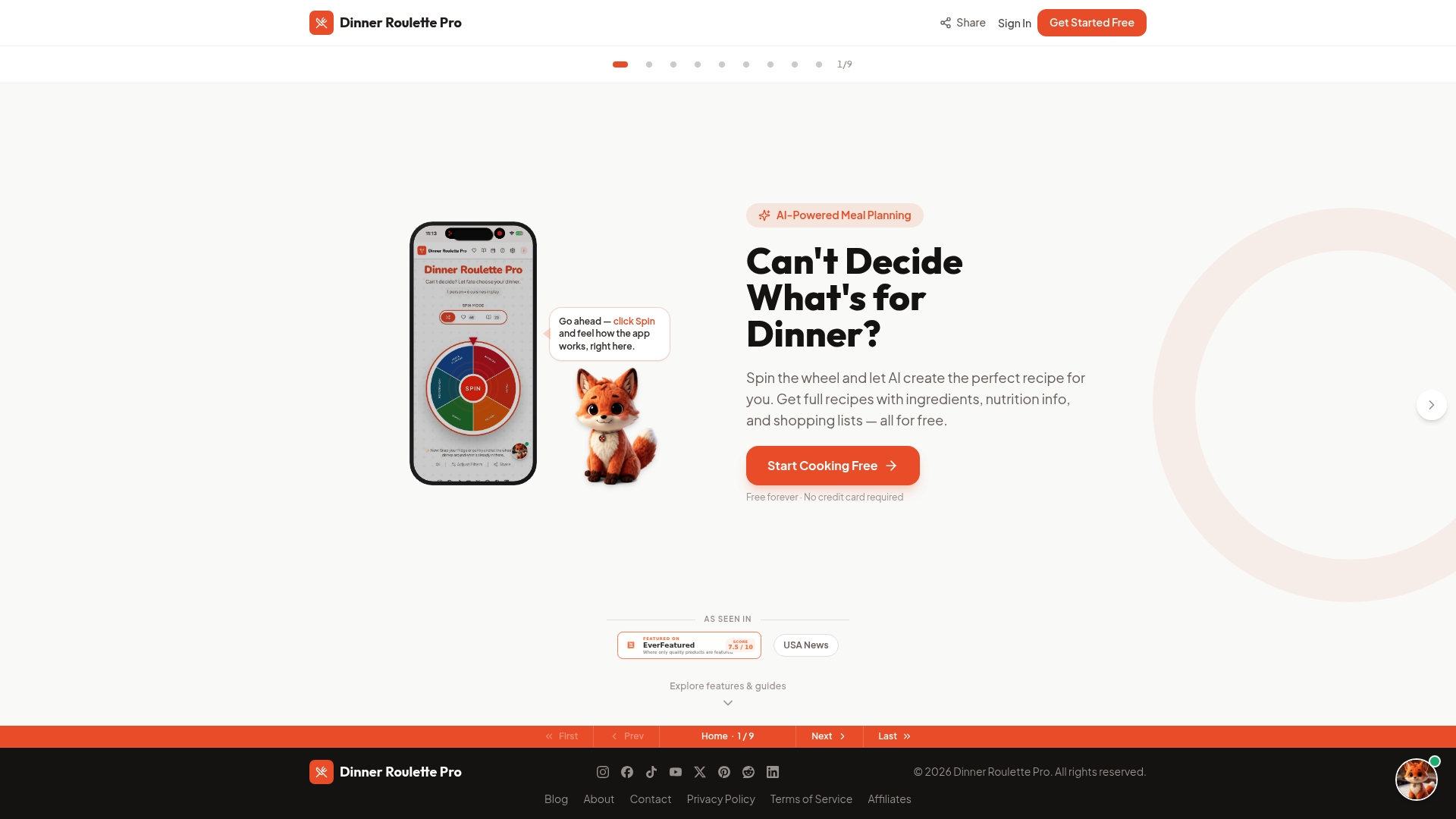
If you’re the type who cooks big batches on Sunday and wants a system for what happens to the extras, Dr-pro’s recipe organization guide helps you catalog leftover-friendly ideas so you’re not reinventing the fried-rice formula from memory every week. Spin the wheel, enter what’s left in the fridge, and get a full recipe with a shopping list for the few extra items you need. Try it tonight with whatever’s actually in your refrigerator right now.
Frequently Asked Questions About Meals From Leftovers
What’s the fastest meal to make from leftovers? Fried rice, if you have cold cooked rice on hand. It takes about eight minutes and works with nearly any leftover protein or vegetable you fold in.
What leftovers should I always keep for later meals? Cooked rice or grains, roasted vegetables, and shredded meat convert into new dinners fastest. Stews and braises also improve with a day of resting in the fridge.
How many days are leftovers safe to eat? Most cooked leftovers are safe for about four days when refrigerated promptly, following the “2-2-4” style guidance: cool within two hours, refrigerate, and eat within roughly four days.
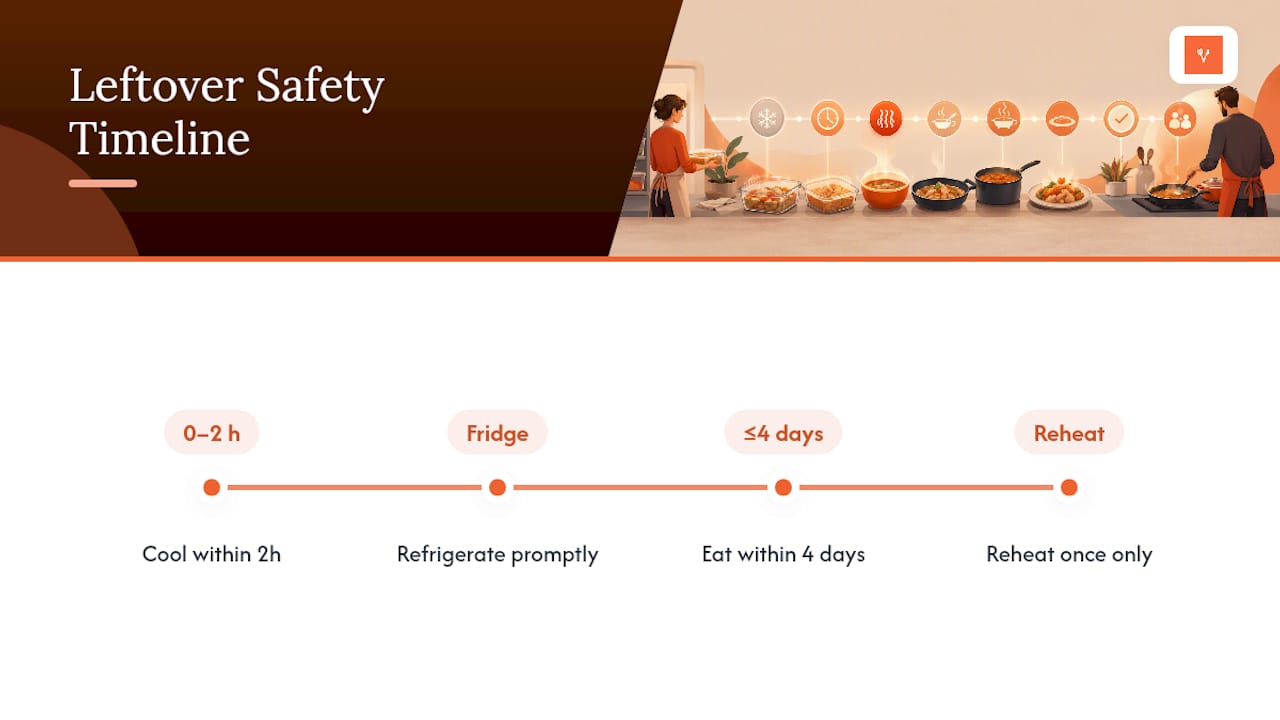
Can I reheat leftovers more than once? It’s best to reheat leftovers only once. Repeated cooling and reheating raises the risk of bacterial growth each cycle.
What’s a good formula for using up random leftover vegetables? Whisk them into a frittata with eggs and a splash of milk, or blend them into a soup with broth and a can of beans for texture.
Sources
- Transforming leftovers into flavorful new meals | UCI Health
- Just Think of the Leftovers | New York Times
- Everyday Leftovers Recipes | Allrecipes