8 Low Cholesterol Dinners for Families That Hit a 3g Beta Glucan Goal | Dinner Roulette Pro
August 29, 2026
8 Low Cholesterol Dinners for Families That Hit a 3g Beta Glucan Goal
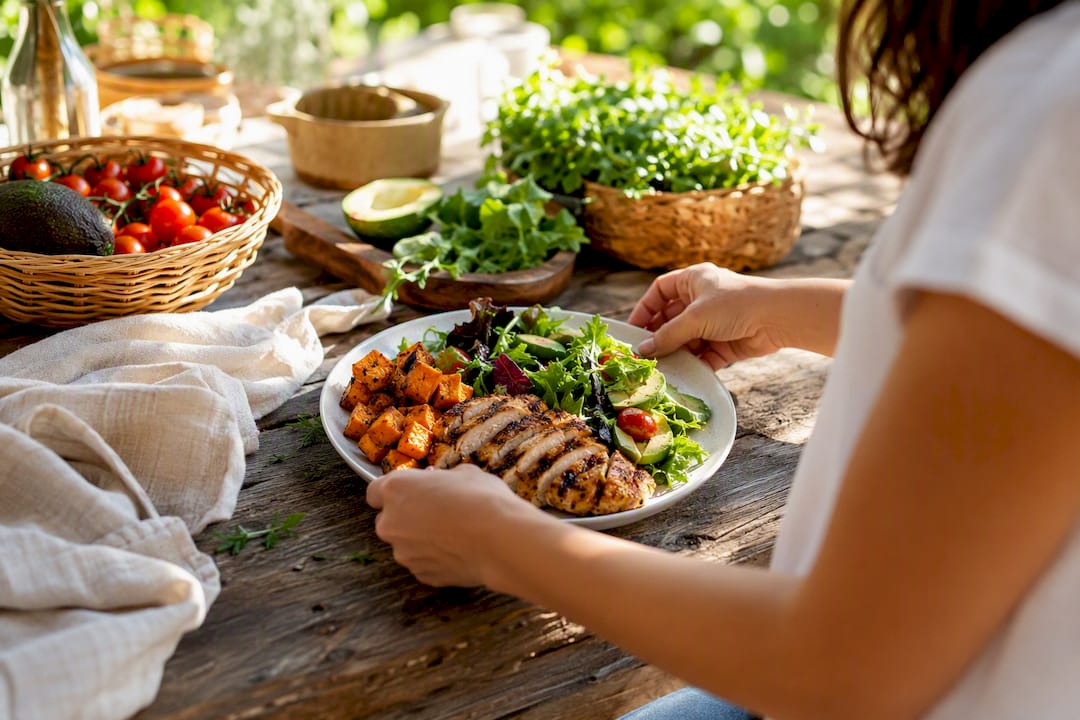
The easiest path to a low cholesterol dinner is plant-forward: legumes, whole grains, vegetables, and liquid oils doing most of the work, with lean fish standing in for red meat a few nights a week. Think lentil-barley soup, black bean and quinoa patties, or baked salmon with roasted vegetables. Aim to include beta-glucan daily from oats, barley, or beans, and the rest tends to fall into place.
TL;DR:
- Replacing red meat with plant proteins and oily fish is crucial because saturated fat and soluble fiber more directly impact cholesterol than ingredient swaps alone.
- Incorporating at least three grams of beta-glucan daily from oats or barley significantly lowers LDL cholesterol, achievable with about one cup of cooked oatmeal or barley.
- Cooking methods like baking, broiling, or steaming are preferable because they require less added fat, while pan-frying or breading can increase saturated fat intake.
- Small, consistent swaps, such as replacing half of ground beef with lentils or using low-fat dairy, are more sustainable than complete overhauls for long-term adherence.
- Prioritizing portion control and meal repetition over ingredient elimination ensures more effective and manageable low-cholesterol dinners.
Table of Contents
- What Are the Best Low Cholesterol Dinners to Start With?
- Eight Low Cholesterol Dinner Recipes Worth Repeating
- How to Modify Family Recipes for Cholesterol
- Meal Planning and Shopping Tips for Cholesterol-Friendly Dinners
- What I’ve Learned Watching Families Try This
- Why Egg Yolks and High-Fat Dairy Deserve a Second Look
- Load Up on Vegetables and Antioxidant-Rich Fruit
- Why Nuts and Seeds Belong in Your Rotation
- The Real Trade-Off Behind Low Cholesterol Cooking
- Let Dinner Roulette Pro Handle the Planning Part
- Sources
What Are the Best Low Cholesterol Dinners to Start With?
Before you touch a recipe, it helps to know which levers actually move your numbers. Three things matter more than any single ingredient swap: how much saturated fat lands on the plate, how much soluble fiber you’re getting, and how the food gets cooked.
Start with protein. The American Heart Association recommends leaning on fish, poultry, and plant proteins over red and processed meat, and if you do buy beef, cuts labeled “round,” “loin,” or “sirloin” carry less saturated fat than ribeye or ground chuck. Skip bacon, sausage, and deli meat most nights. They’re cured and processed in ways that pack in sodium and saturated fat together.
Fat choice matters almost as much as fat quantity. Butter and shortening are solid at room temperature because they’re loaded with saturated fat; olive oil and canola oil are liquid because they’re not. Swapping one for the other in a sauté or a marinade is a five-second change with a real payoff. Low-fat dairy substitutes (skim milk instead of whole, low-fat yogurt instead of sour cream) work the same way in creamy soups and dressings.
Then there’s fiber. A peer-reviewed review found that about 3 grams of beta-glucan daily, the soluble fiber found in oats and barley, helps lower LDL cholesterol. That’s roughly one cup of cooked oatmeal, or a cup and a half of cooked barley, spread across meals rather than crammed into one bowl.
- Swap ground beef for a beef-lentil blend (half and half) in tacos or chili
- Trade breaded, fried chicken for oven-baked chicken thighs with the skin removed
- Use two tablespoons of olive oil instead of two tablespoons of butter in any sauté
- Stir a half cup of cooked barley into vegetable soup instead of serving it plain
Cooking method finishes the job. Baking, broiling, roasting, and steaming don’t require added fat the way pan-frying and deep-frying do, and breading soaks up oil like a sponge. Harvard Health’s guidance on cooking oils points out that preparation method often matters as much as which protein you started with. A skinless chicken breast, breaded and fried, can end up worse for you than a well-seasoned pork chop that’s grilled.
Pro Tip: When a recipe calls for browning meat in butter, dry-sear it in a hot, lightly oiled pan instead. You’ll still get the crust and flavor without the extra saturated fat.
Eight Low Cholesterol Dinner Recipes Worth Repeating
You don’t need a stack of specialty cookbooks. These eight cover soups, bowls, patties, and sheet-pan dinners, and each one leans on a specific mechanism, soluble fiber, plant protein, or lean fish, to do real work on your numbers.
- Creamy lentil barley soup. Lentils and barley simmered with carrots, celery, and vegetable broth. Barley supplies beta-glucan directly in the same way it does in this widely shared recipe, and the whole pot comes together in about 40 minutes.
- Black bean and quinoa burgers. Mashed black beans, cooked quinoa, cumin, and egg white formed into patties and pan-seared in a teaspoon of oil. Harvard Health points to this kind of swap as a direct way to cut saturated fat while adding fiber and plant protein compared to a standard beef patty.
- Baked salmon with quinoa and greens. Salmon fillets roasted at 400°F for 12 minutes, served over quinoa with sautéed spinach. Oily fish brings omega-3s to the table without the saturated fat load of red meat.
- Chickpea and spinach curry. Canned chickpeas, crushed tomatoes, spinach, and curry spices simmered in canola oil instead of ghee or coconut cream. Ready in 25 minutes, and it reheats well for lunch the next day.
- Sheet-pan tofu and vegetables. Cubed firm tofu tossed with broccoli, bell peppers, and olive oil, roasted on one tray at 425°F. Almost no cleanup, and tofu replaces the saturated fat you’d get from meat entirely.
- Grain bowl with broiled mackerel. Farro or barley as the base, topped with broiled mackerel, cucumber, and a lemon-tahini drizzle. Mackerel is one of the fattier fish options, but the fat is mostly unsaturated.
- Barley and vegetable minestrone. A vegetable-heavy soup built on barley instead of pasta, which quietly doubles as a beta-glucan source while tasting like a normal Tuesday dinner.
- Turkey and white bean chili. Ground turkey breast cut with white beans, tomatoes, and chili spices. Beans stretch the protein and add fiber, so you use less meat per serving without noticing.
Rotate two or three of these into a normal week and you’re covering soluble fiber, lean protein, and oily fish without following a rigid meal plan.
How to Modify Family Recipes for Cholesterol
Most family recipes don’t need to be thrown out. They need three or four targeted swaps, and once you know the pattern, you can apply it to almost anything in your regular rotation.
Start with protein ratios rather than full replacements. Swap half the ground beef in chili or tacos for cooked lentils; the texture holds up better than people expect, and most families don’t notice past the second bite. Canned salmon or tuna packed in water works as a drop-in replacement for tuna salad or fish cakes made with mayonnaise-heavy binders.
Fat and dairy swaps work best when they’re direct, not stacked. UCSF Health’s modification guidance recommends replacing butter with an equal amount of canola or olive oil and using low-fat milk or yogurt in place of cream or sour cream, one swap at a time rather than piling substitutions on top of each other.
- Replace whole milk with 1% or skim in mashed potatoes and creamy soups
- Blend a half cup of cooked white beans into pasta sauce for invisible fiber and thickness
- Add rolled oats to meatloaf or meatballs in place of some of the breadcrumbs
- Use Greek yogurt instead of sour cream on tacos or baked potatoes
Texture and flavor are where most swap attempts fail, so lean on acid (lemon juice, vinegar), umami (soy sauce, tomato paste, mushrooms), and fresh herbs to make up for what you removed. A dish that’s missing fat often just tastes flat, not “healthy,” and a squeeze of lime fixes that faster than more salt does.
Pro Tip: *When you cut butter from a recipe, don’t just swap it with oil.
Meal Planning and Shopping Tips for Cholesterol-Friendly Dinners
One good dinner doesn’t move your cholesterol. Consistency does, which means the real skill is making these meals repeatable without reinventing your grocery list every Sunday.
- Batch-cook a pot of beans, a tray of roasted vegetables, and a big batch of barley or quinoa on one day, then reuse them across three or four dinners that week
- Stock frozen fish fillets, canned legumes, and rolled oats or barley as pantry staples that don’t spoil before you get to them
- Lean on one-pot meals, sheet-pan dinners, and freezer-friendly portions on busy weeknights instead of skipping the plan entirely
- Keep a running list of recipes that worked so you’re not deciding from scratch every week
A guide to personalized meal planning can help you build this rotation around your own schedule instead of a generic template, and tools that generate a shopping list straight from your dinner plan cut out a step that otherwise eats up your Sunday.
What I’ve Learned Watching Families Try This
The families who stick with low cholesterol dinners aren’t the ones who overhaul everything at once. They’re the ones who find two or three swaps their household will actually eat without complaint, then repeat them. One family I’ve seen described in cooking forums swapped half their ground beef for lentils in tacos for a month before anyone at the table noticed; another started serving baked salmon on the same night every week until it became the meal nobody questioned.
That’s the part conventional advice skips. Most articles hand you a list of ingredients to avoid and call it done. The harder, more useful work is figuring out which swap survives contact with a picky eater or a Tuesday night with no energy left to cook. Dinner Roulette Pro exists partly because of that gap, generating recipes that already account for dietary flags so you’re not guessing which version of a dish will actually get eaten.
If you take one thing from this article, prioritize consistency over perfection. A mediocre lentil soup you make every other week beats a perfect salmon dish you make once and never repeat.
— Jack
Why Egg Yolks and High-Fat Dairy Deserve a Second Look
Dietary cholesterol gets less attention than saturated fat in current nutrition guidance, but it still matters for dinner planning, especially from two sources: egg yolks and high-fat dairy. A single large egg yolk carries a notable amount of cholesterol concentrated in the yolk rather than the white, which is why many recipe modifications call for egg whites or a whites-heavy ratio instead of whole eggs.
High-fat dairy works the same way through a different mechanism. Full-fat cheese, cream, and whole milk aren’t just cholesterol sources; they’re often loaded with saturated fat too, which compounds the effect on LDL levels more than either factor alone. A cream-based pasta sauce or a cheese-heavy casserole is doing double duty against your goals.
This doesn’t mean cutting eggs or cheese entirely. It means treating them as ingredients to moderate rather than centerpieces. Use two egg whites plus one whole egg in a frittata instead of four whole eggs. Choose a sharp cheese and use less of it, since strong flavor means you need a smaller amount to get the same taste payoff. Reach for part-skim mozzarella or reduced-fat cheddar in baked dishes where cheese is more of a background note than the main event.
The goal is proportion, not elimination. A weeknight dinner built around vegetables, grains, and lean protein can still include a modest amount of cheese or a couple of eggs without derailing the rest of your progress.
Load Up on Vegetables and Antioxidant-Rich Fruit
Vegetables and fruit don’t just fill space on the plate. Many are rich in antioxidants and polyphenols that support heart health alongside the cholesterol-specific swaps you’re already making, and they crowd out higher-fat ingredients simply by taking up room in the meal.
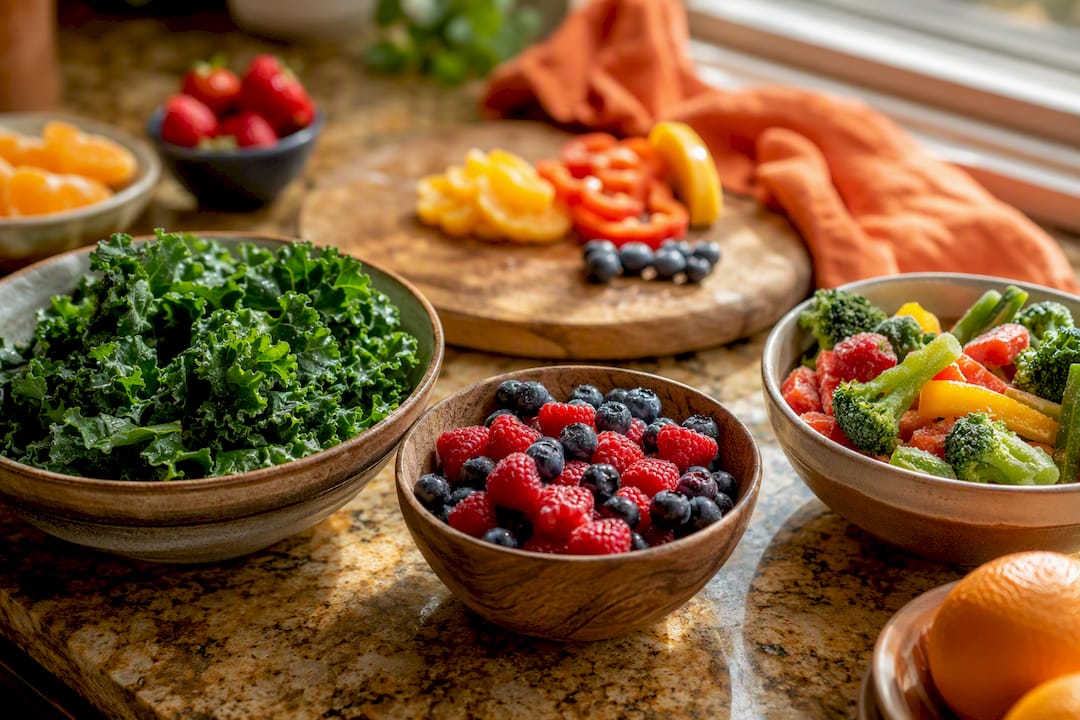
Leafy greens like spinach and kale, cruciferous vegetables like broccoli and Brussels sprouts, and colorful produce like bell peppers, berries, and citrus all bring different antioxidant profiles to the table. Berries in particular pack anthocyanins, the pigment compounds responsible for their deep color, which research has linked to cardiovascular benefits beyond fiber alone.
Practically, this means building dinners where vegetables occupy at least half the plate rather than treating them as a garnish. Roast a full sheet pan of broccoli, carrots, and red peppers alongside your protein instead of steaming a small side portion. Add a handful of berries or citrus segments to a spinach salad as a starter, or toss chopped kale into soup during the last five minutes of cooking.
Frozen vegetables and fruit work just as well nutritionally as fresh, and they solve the biggest practical obstacle: produce that spoils before you get to it. Keep a bag of frozen mixed berries and a bag of frozen stir-fry vegetables in the freezer as a backstop for nights when the fresh produce didn’t make it into a meal in time. Variety matters here more than any single “superfood,” since different colors of produce tend to carry different antioxidant compounds.
Why Nuts and Seeds Belong in Your Rotation
Nuts and seeds are one of the easiest ways to add heart-healthy fat to a dinner without reaching for butter or fried anything. Almonds, walnuts, pistachios, and pumpkin seeds are all high in unsaturated fat, and several, walnuts especially, contain plant-based omega-3 fatty acids similar in function to what you’d get from oily fish.
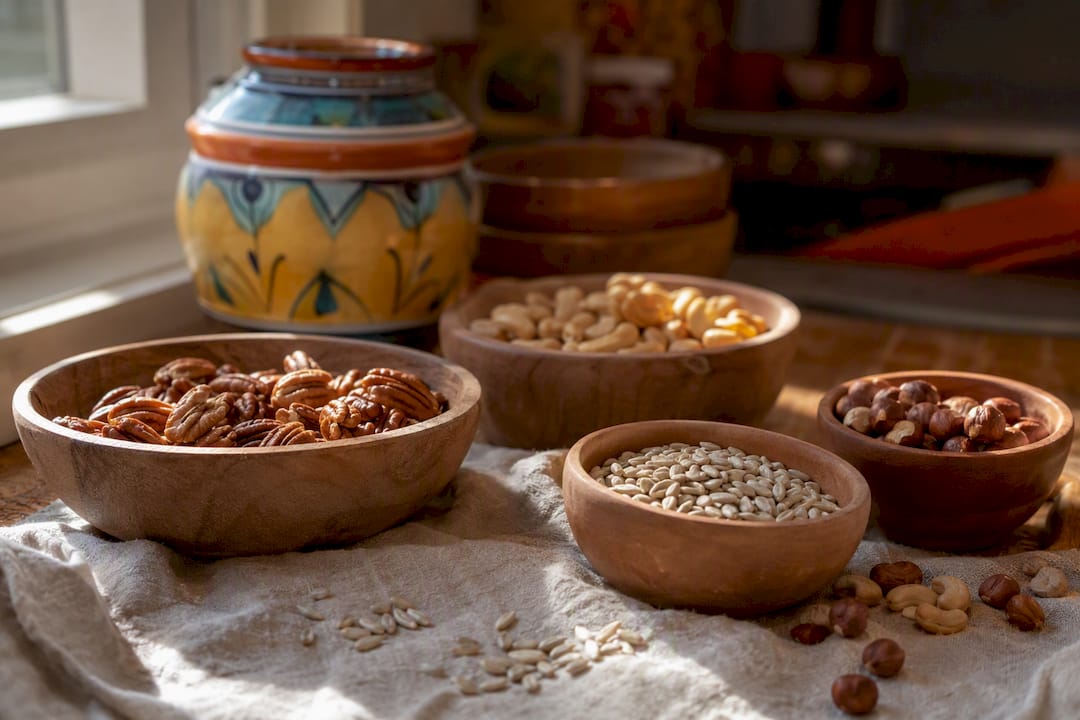
The trick is using them as an ingredient, not just a snack. Toss toasted walnuts or pepitas onto a grain bowl or salad in place of croutons or bacon bits. Use finely chopped almonds as part of a crust for baked fish instead of traditional breadcrumbs, which gives you crunch without the deep-fry step. Tahini, made from ground sesame seeds, makes a rich, dairy-free base for dressings and sauces that would otherwise rely on cream or mayonnaise.
Portion size matters more with nuts and seeds than with vegetables, since they’re calorie-dense even though the fat is the good kind. A quarter cup of mixed nuts or two tablespoons of seeds per serving is enough to add texture, healthy fat, and a bit of plant protein without turning a light dinner into a heavy one. Keep a jar of raw or dry-roasted nuts on the counter (skip the ones cooked in palm oil or coated in sugar) and you’ll reach for them out of habit rather than needing a recipe to justify it.
The Real Trade-Off Behind Low Cholesterol Cooking
Most advice on this topic treats low cholesterol dinners like a restriction list: cut this, avoid that, feel deprived. That framing is backwards, and it’s probably why so many people abandon the effort within a few weeks.
The research actually supports something more forgiving; for more longevity-focused nutrition strategies, check out this free longevity nutrition ebook. A single peer-reviewed review on beta-glucan shows that consistent, moderate amounts of soluble fiber spread across meals do real work on LDL levels, and the American Heart Association’s own cooking guidance frames this as a pattern to build, not a single perfect meal to chase. That’s a very different message than “never eat butter again.”
Where conventional advice falls short is portion sizing. Articles obsess over which ingredients to cut but rarely mention that portion control matters just as much as ingredient choice, a modest four-ounce serving of lean beef fits fine into a heart-healthy pattern, while an oversized “healthy” salmon fillet drowning in oil can undo the benefit. Prioritize frequency and consistency first, ingredient perfection second. Get soluble fiber and plant protein into dinner four or five nights a week, and the occasional cheeseburger stops being a crisis.
Let Dinner Roulette Pro Handle the Planning Part
Knowing which swaps to make is one thing. Doing it every single night, without defaulting back to takeout when you’re tired, is the harder problem. Dinner Roulette Pro generates full recipes, complete with nutrition breakdowns and dietary flags, so you can filter for lower-cholesterol options without cross-referencing ingredient lists by hand.
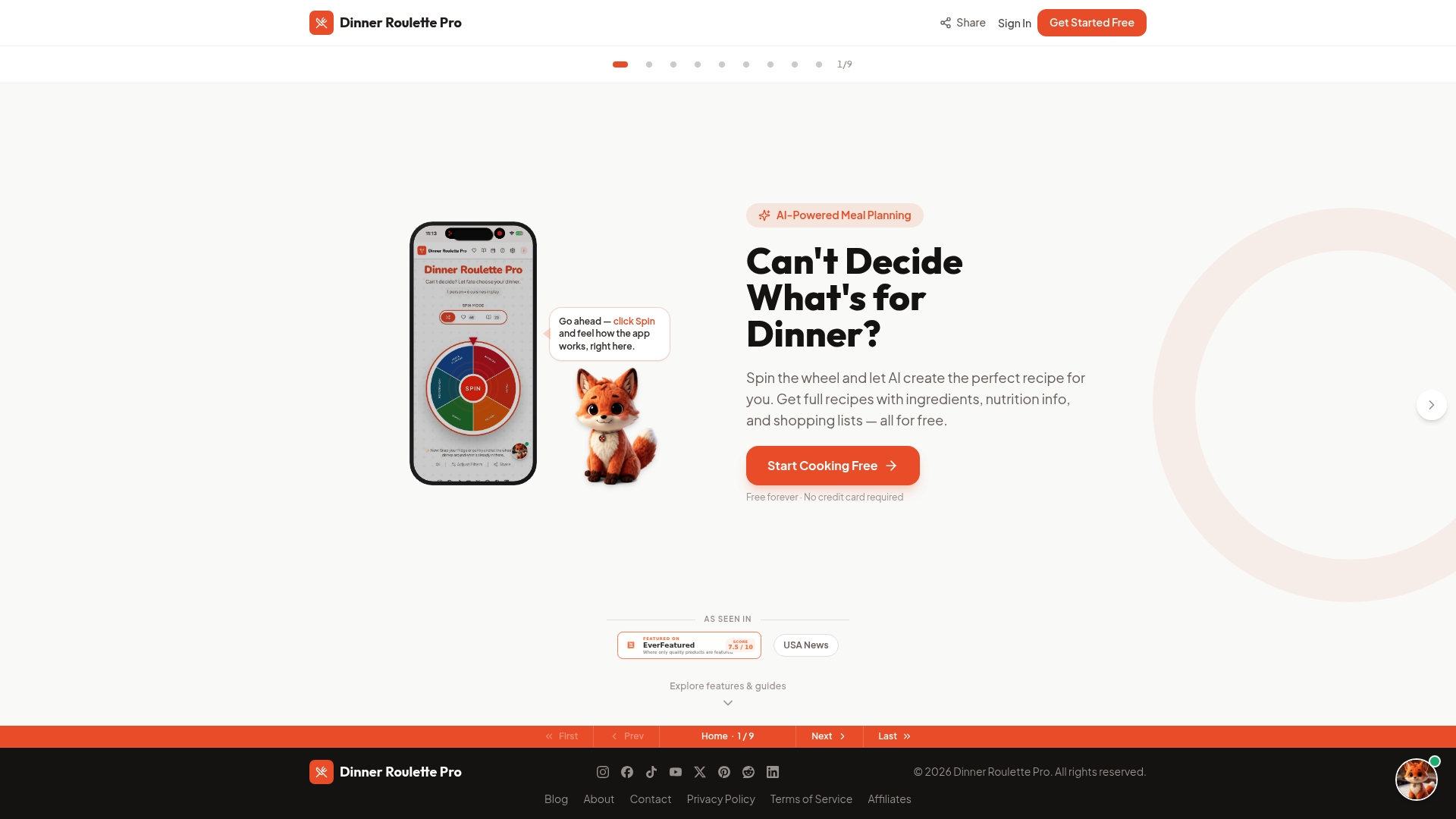
A typical workflow looks like this: spin the wheel with a low-fat or heart-healthy filter set, generate a full week of dinners built around lean protein and whole grains, then export the shopping list in one tap. From there you can scale portions up or down and schedule the meals across your week, so the plan actually survives contact with a busy Tuesday. The Nutrition Guide walks through how to set those dietary priorities inside the app, and the Shopping List Guide covers turning a week of recipes into a single grocery run. Open the app, set your dietary flags once, and let it handle the decision fatigue that usually derails good intentions by Thursday.
Sources
- Picking healthy proteins | American Heart Association
- Beta-glucan and cholesterol (peer-reviewed review)
- Heart‑smart chipotle black bean quinoa veggie burgers for healthy aging | Harvard Health
This article is general information, not a substitute for advice from a qualified doctor. Consult a qualified healthcare professional about your own circumstances before acting on anything here.