26 Mediterranean Diet Dinners Ready in 30 Minutes | Dinner Roulette Pro
August 15, 2026
26 Mediterranean Diet Dinners Ready in 30 Minutes
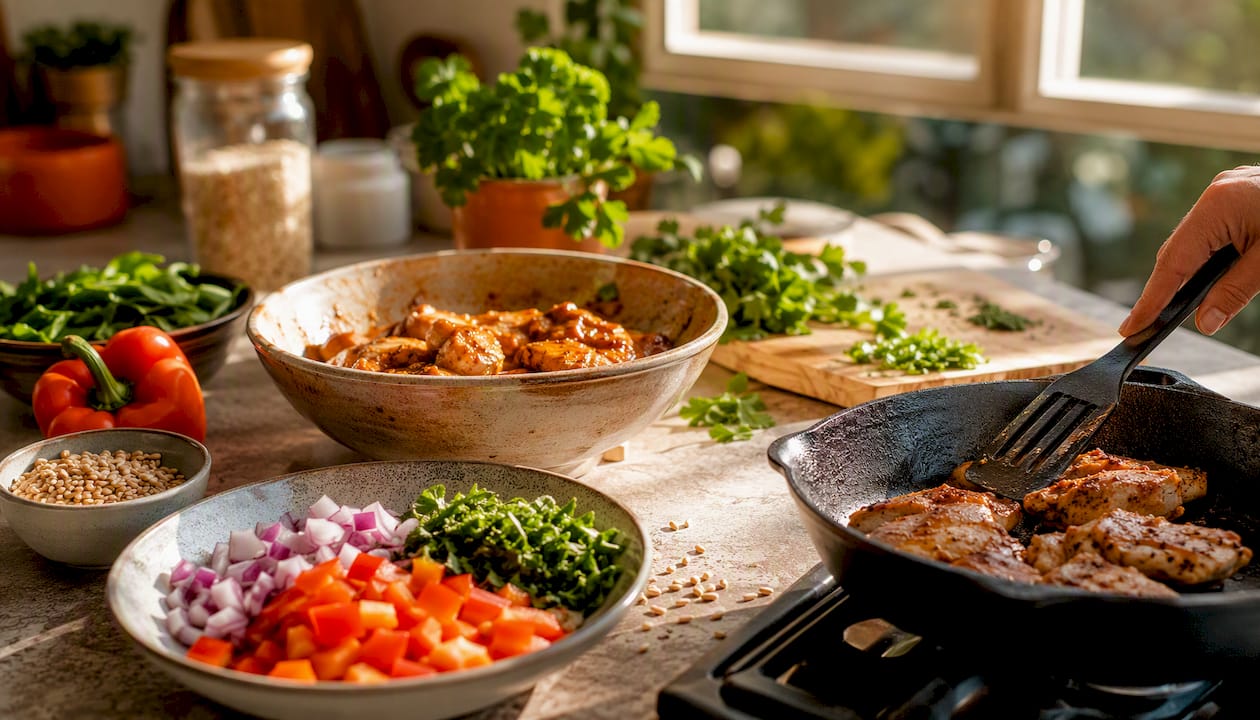
Here’s the shortlist: one-pan lemon chicken with olives, sheet-pan salmon with tomatoes and feta, a 20-minute chickpea stew, tuna pasta with capers, roasted vegetables with crumbled feta, and shakshuka for a breakfast-for-dinner night. Every one of these Mediterranean diet dinners uses ingredients most home cooks already have, and none of them takes longer than 30 minutes from cutting board to table.
That’s the whole premise behind cooking this way on a weeknight. The Mediterranean diet has a reputation as a health regimen that requires long simmers, market runs, and Sunday-level patience. It doesn’t. Canned chickpeas, a bag of frozen shrimp, a block of feta, and a bottle of olive oil get you most of the way to dinner on any given Tuesday.
Here’s the quick-pick roundup, organized by protein, so you can scan and pick based on what’s already in your fridge:
- One-pan lemon chicken thighs with olives and cherry tomatoes — about 30 minutes, and the kids can pick around the olives if needed.
- Sheet-pan salmon with roasted tomatoes and feta — 20 minutes, mild enough for picky eaters when you swap in a milder white fish.
- Chickpea and spinach stew with cumin — 20 minutes, blend half for texture-sensitive kids.
- Tuna pasta with capers and lemon — 25 minutes, use rotini instead of linguine so it’s easier for small hands to eat.
- Sheet-pan roasted vegetables with crumbled feta and chickpeas — 30 minutes, serve alongside pita for dipping.
- Shakshuka (eggs poached in spiced tomato sauce) — 25 minutes, keep one portion egg-light with extra bread for kids who balk at runny yolks.
- Greek-style shrimp with orzo and tomatoes — 20 minutes, sub in cooked chicken if shrimp is a hard no at your table.
- White bean and rosemary skillet with garlic breadcrumbs — 25 minutes, a fully vegetarian option that still feels hearty.
Pro Tip: Keep one “safe” starch on hand, like plain rice or crusty bread, so a picky eater always has something familiar on the plate even on nights you’re trying something new.
Key Takeaways
Fast, family-friendly Mediterranean dinners depend on pantry staples, one-pan techniques, and a willingness to let convenience swaps count on busy nights.
| Point | Details |
|---|---|
| Speed comes from technique | One-pan and sheet-pan methods get dinner on the table in 20 to 30 minutes with minimal cleanup. |
| Pantry staples do the heavy lifting | Canned beans, canned tomatoes, tinned tuna, and olive oil make weeknight cooking possible without extra shopping trips. |
| Batch-cook grains and stews | Double a soup or a grain on Sunday and portion it for reheating through the week. |
| Kid-friendly swaps keep the peace | Serve strong flavors like olives on the side and keep one familiar starch on the table. |
| Dr-pro removes the decision step | The app generates Mediterranean dinner ideas with shopping lists and scales recipes for batch cooking at no cost for core features. |
Table of Contents
- Quick Mediterranean Dinners That Win on Flavor and Speed
- One-Pan and Sheet-Pan Dinners for Minimal Cleanup
- Seafood and Fish Dinners Kids Will Actually Eat
- Vegetarian and Legume Dinners That Build Real Protein
- Pasta and Whole-Grain Bowls: One Template, Endless Variations
- Soups, Stews, and Egg Dinners That Scale for the Whole Family
- Building a Pantry That Makes Mediterranean Dinners Effortless
- Batch-Cooking and Family Swaps for a Full Week of Dinners
- What the Mediterranean Diet Actually Is
- Cooking This Way in Real Life
- Let Dr-pro Handle the Mediterranean Meal Planning Part
- Sources
Quick Mediterranean Dinners That Win on Flavor and Speed
Speed and flavor aren’t actually in tension here, which is the part most people get wrong about Mediterranean cooking. The flavor comes from technique, not time. Char a lemon half in a hot pan for 90 seconds and you get more depth than an hour of simmering would add to a bland base.
Below are recipe cards for eight fast dinners, grouped by cooking method so you can match one to your energy level on a given night. Skillet meals are lowest effort. Sheet-pan meals need the least attention once they’re in the oven. Quick pasta dishes are fastest overall when you’re really up against the clock.
A few of these deserve a closer look:
- Lemon chicken thighs with olives: Sear bone-in thighs skin-side down, then finish in the pan sauce with kalamata olives, garlic, and a splash of chicken broth. Kid swap: serve the sauce on the side for anyone who’s suspicious of olives.
- Sheet-pan salmon with feta: Roast cherry tomatoes and salmon fillets together at 400°F, then crumble feta over the top in the last five minutes so it softens without melting completely. Freezes reasonably well if you skip the feta until reheating.
- Chickpea and spinach stew: Sauté onion and garlic, add canned chickpeas and diced tomatoes, wilt in spinach at the end. This one actually improves overnight in the fridge.
- Tuna pasta with capers: Toss canned tuna, capers, garlic, and olive oil with hot pasta and a splash of pasta water to make it glossy instead of dry. As A Couple Cooks demonstrates, a Mediterranean pasta built around vegetables and a basil breadcrumb topping comes together in under 30 minutes and takes canned protein easily.
- Roasted vegetables with feta: Zucchini, bell pepper, and red onion roasted hot and fast, then tossed with feta and a squeeze of lemon right before serving.
- Shakshuka: Simmer a spiced tomato sauce, crack in eggs, cover until whites set. Serve with warm pita for scooping.
- Shrimp orzo with tomatoes: Cook orzo like risotto in broth and crushed tomatoes, stir in shrimp for the last three minutes so they don’t overcook.
- White bean and rosemary skillet: Warm canned white beans with garlic, rosemary, and olive oil, then top with toasted breadcrumbs for crunch.
One-Pan and Sheet-Pan Dinners for Minimal Cleanup
One dish, one sheet pan, one skillet. That’s the entire appeal on a Wednesday when nobody has the energy for a sink full of pots. Beyond the obvious cleanup win, one-pan cooking also concentrates flavor because everything cooks in the same fat and juices, which is exactly the effect a slower braise chases over hours.
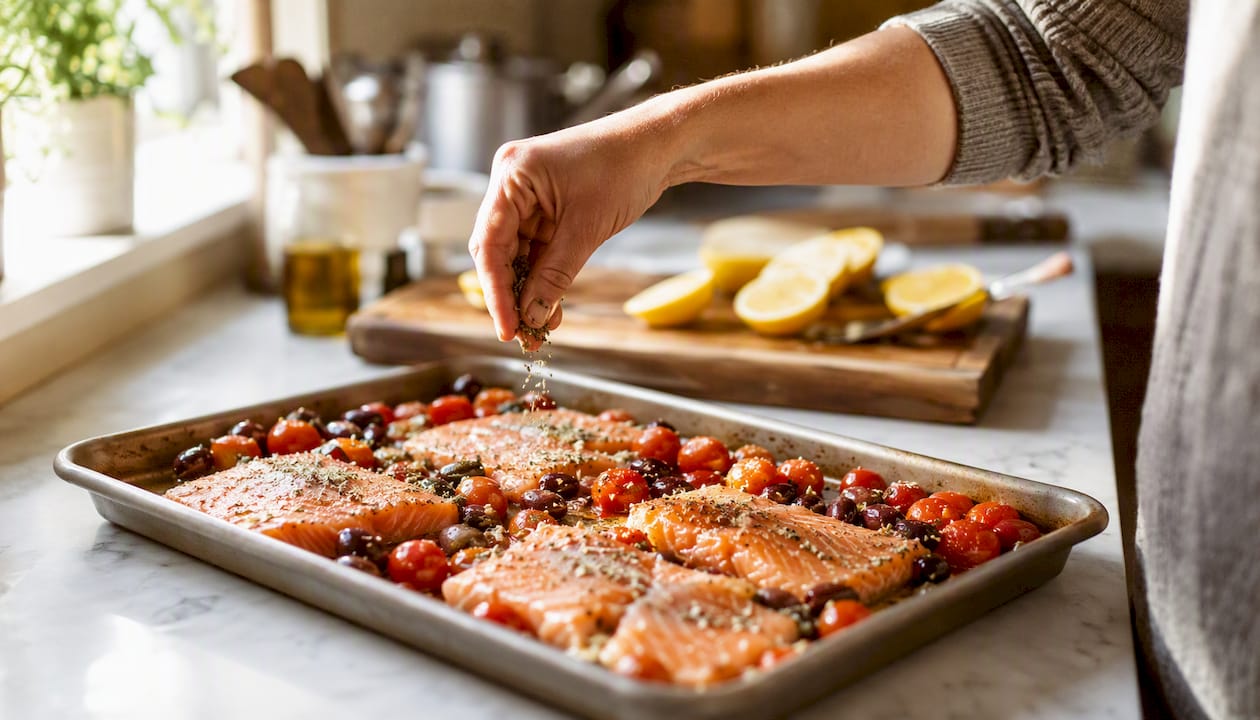
Sheet-pan dinners lean on a specific set of pantry staples that make the format work: olive oil, canned tomatoes or cherry tomatoes, olives, capers, and a hard cheese like feta or Parmesan that can go from fridge to oven without extra prep. Chicken thighs, salmon, and firm white fish all hold up well to high, dry heat, which is why they show up in sheet-pan recipes more than delicate proteins like scallops.
A few practical staging tips make the difference between a soggy sheet pan and a properly roasted one:
- Cut vegetables that take longer to cook (potatoes, carrots) smaller than fast-cooking ones (zucchini, cherry tomatoes) so everything finishes at roughly the same time.
- Add proteins that cook quickly, like shrimp or thin fish fillets, halfway through the vegetable roast time rather than at the start.
- Preheat the sheet pan itself for five minutes before adding food. It sears the underside instead of steaming it.
- Leave space between pieces. A crowded pan traps steam and you lose the roasted edges that make sheet-pan dinners taste better than boiled ones.
Reheating leftovers from a sheet-pan dinner works best in the oven or toaster oven at 350°F for eight to ten minutes rather than the microwave, which turns roasted vegetables mushy and rubbery. If you batch-cooked chicken thighs, slice them cold into a salad the next day instead of reheating whole. That’s often faster than the reheat itself.
Seafood and Fish Dinners Kids Will Actually Eat
Fish dinners get skipped by busy families more than any other Mediterranean category, usually because of two fears: overcooking it into rubber, or a kid revolt at the table. Both are solvable, and neither requires you to cook two separate meals.
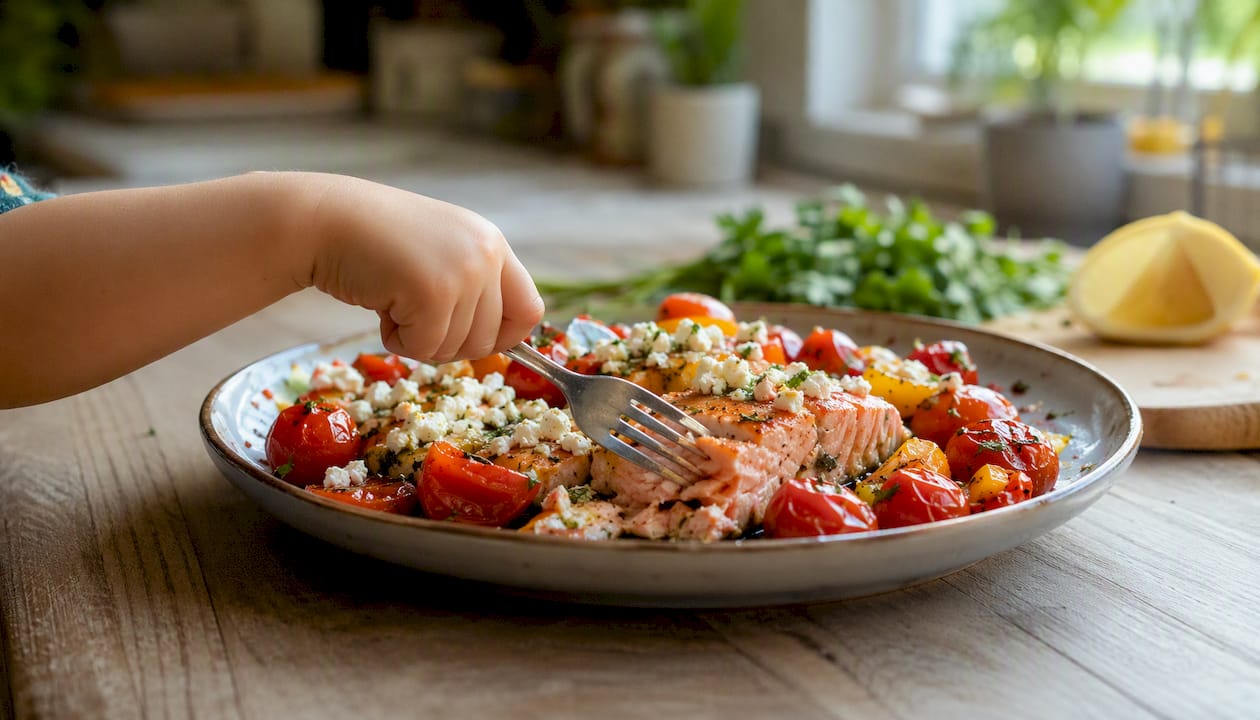
Salmon with olives and tomatoes is an easy entry point. Roast salmon fillets at moderate oven temperature for a short time depending on thickness, alongside halved cherry tomatoes and pitted kalamata olives. The tomatoes burst and create a light pan sauce, and the whole thing takes about 20 minutes start to finish. Sheet-pan cod with chickpeas is nearly as fast: roast cod fillets over a bed of chickpeas, cherry tomatoes, and paprika, and you get a full protein-and-fiber dinner off one pan. Shrimp with lemon-garlic pasta rounds out the trio; shrimp cook in under three minutes, so this is genuinely a 15-minute dinner if your pasta water is already boiling when you start.
The American Heart Association and cardiologists cited by health researchers consistently point to the omega-3 fats in fish like salmon as a meaningful piece of why the Mediterranean pattern correlates with better heart health outcomes. Oldways, the nonprofit behind the original Mediterranean Diet Pyramid, recommends seafood twice a week as part of the standard pattern, which is a realistic target for most families rather than an every-night commitment.
For kid-friendly swaps, flake cooked salmon into pasta instead of serving it as a standalone fillet, since the texture reads less “fishy” to a skeptical eight-year-old. Mild white fish like cod or tilapia works better than stronger options like mackerel or sardines for kids who are new to seafood. Timing matters more with fish than almost any other protein here: check for doneness a minute or two early, since fish keeps cooking from residual heat even off direct heat, and dry, overcooked fish is the single fastest way to lose a skeptical eater for good.
Vegetarian and Legume Dinners That Build Real Protein
Beans and lentils carry more weeknight potential than most home cooks give them credit for, and they’re the backbone of vegetarian Mediterranean cooking for a reason: they cook fast from a can, hold their shape in a skillet, and take on whatever spice you throw at them.
A chickpea stew with cumin, garlic, and diced tomatoes is the fastest option here, ready in about 20 minutes and easy to make chunkier or smoother depending on what your kids will tolerate. A white bean skillet with rosemary and toasted breadcrumbs delivers a similar payoff with a slightly different flavor profile, closer to a rustic Italian bean dish than a Middle Eastern stew. Roasted vegetable and farro bowls take a bit more prep, but pre-cooked farro (sold in most grocery stores now) cuts that down to about 25 minutes total. Lentil meatballs, baked instead of fried, give you something kid-familiar in shape even though the protein source is entirely plant-based.
To boost protein and staying power without adding meat, a few additions do real work:
- Stir in Greek yogurt off the heat for creaminess and an extra protein hit.
- Top bowls with toasted almonds, walnuts, or pepitas for crunch and healthy fat.
- Add a small amount of canned tuna or a few chopped anchovies for families who want an occasional fish accent without a full seafood dinner.
- Finish with a drizzle of good olive oil, which rounds out flavor better than an extra pinch of salt would.
Pantry shortcuts matter enormously here. Canned beans, pre-cooked grains, and jarred roasted red peppers preserve the authentic flavor of these dishes while cutting real prep time, a point Serious Eats makes repeatedly across its weeknight Mediterranean recipe collection: pantry staples like canned tomatoes, dried herbs, canned beans, and tinned fish are what make these dinners possible on a Tuesday instead of only on a Sunday. For texture, mash about a third of the beans in any stew before serving; it thickens the dish and makes it less obviously “chunky” for kids who resist visible legumes.
Pasta and Whole-Grain Bowls: One Template, Endless Variations
Once you understand the template, you stop needing recipes for this category entirely. Every Mediterranean pasta or grain bowl follows the same basic formula: a base of pasta or a whole grain, a vegetable mix-in, a protein, and a finishing element of oil, herb, or acid that pulls it all together.
Start with the base. Whole wheat pasta, orzo, farro, or bulgur all work, and gluten-free pasta swaps in without changing the method at all. Add a vegetable mix-in, roasted or sautéed, like zucchini, cherry tomatoes, or bell peppers. Choose a protein: canned tuna, chickpeas, white beans, flaked salmon, or grilled chicken all fit naturally. Finish with olive oil, a squeeze of lemon, chopped parsley, and either feta or Parmesan.
For families who need more protein per serving than pasta alone provides, add chickpeas or white beans directly into the dish rather than serving them as a side. It’s a smaller cleanup and a more filling plate. For sides, a simple cucumber and tomato salad with olive oil and oregano rounds out the meal in under five minutes with almost no cooking involved.
Soups, Stews, and Egg Dinners That Scale for the Whole Family
Soups and egg dishes solve a problem the other categories don’t: they’re forgiving of exact quantities, which makes them the easiest entry point for a family that wants to eat this way most nights, not just occasionally.
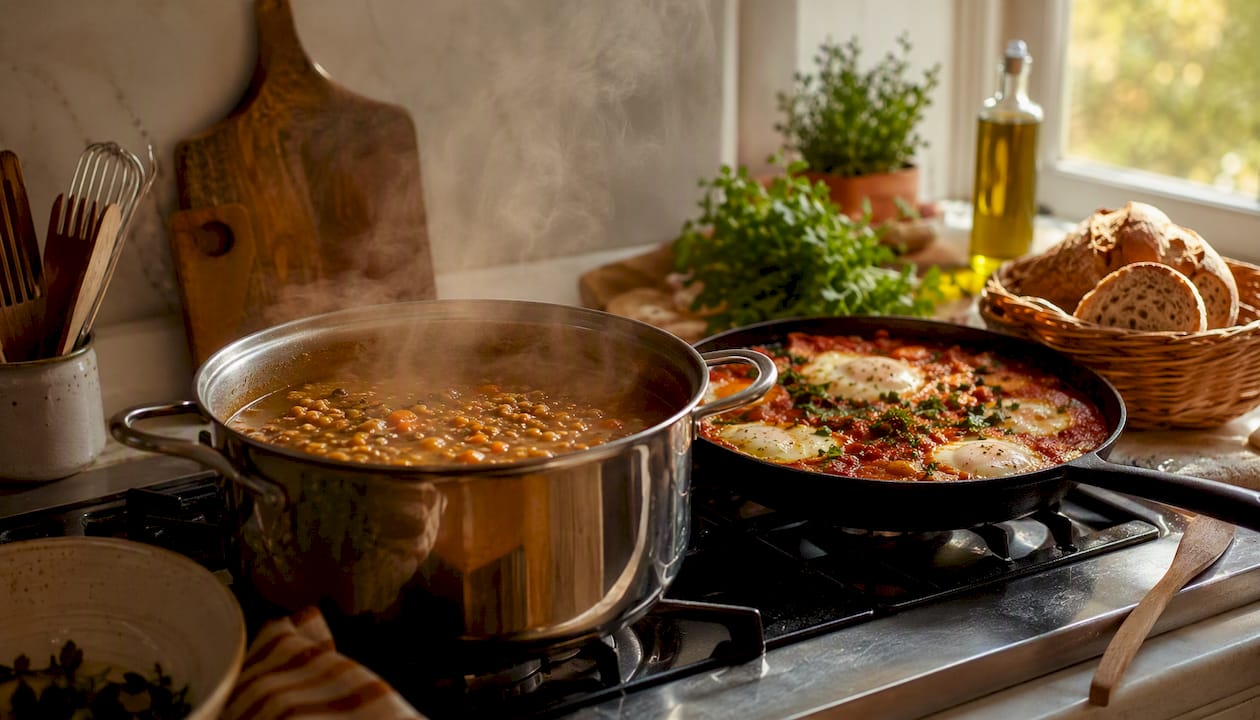
Lentil soup is close to foolproof. Sauté onion, carrot, and celery, add lentils, broth, and canned tomatoes, and simmer until the lentils soften, about 25 minutes total. Tomato and white bean soup follows nearly the same method but comes together faster since beans don’t need the same simmer time lentils do. Shakshuka, eggs poached in a spiced tomato and pepper sauce, works as a full dinner any night of the week, not just for breakfast. A frittata with Mediterranean herbs, sun-dried tomatoes, and feta bakes hands-off in the oven for 20 minutes and works cold the next day for lunch, which makes it a genuine two-meal recipe.
All four of these freeze and reheat with almost no quality loss, which makes them the strongest make-ahead category on this list. Lentil soup and tomato white bean soup both freeze for up to three months in airtight containers; thaw overnight in the fridge and reheat gently on the stove rather than the microwave, which can make legumes mushy at the edges while the center stays cold. Frittatas freeze in slices, wrapped individually, and reheat in a toaster oven in about eight minutes. Shakshuka is the one exception: freeze the tomato base only, and cook fresh eggs into it after reheating, since previously frozen eggs turn rubbery.
For texture, blend lentil soup partially if your kids resist visible chunks, but leave tomato white bean soup mostly whole since the beans hold their shape well and give the dish some visual variety on the plate. Serve shakshuka with warm pita cut into strips for dipping, which turns a slightly unfamiliar dish into something more like a hands-on finger food for younger eaters.
Building a Pantry That Makes Mediterranean Dinners Effortless
The real secret to cooking this way on a weeknight isn’t skill. It’s a stocked pantry that removes the need for a grocery run every single time you want to make dinner.
Here’s the core list worth keeping on hand at all times:
- Canned diced tomatoes and canned crushed tomatoes, for stews, pasta sauces, and shakshuka.
- Canned chickpeas, white beans, and lentils (or dried lentils, which cook fast without soaking).
- Canned tuna and canned or jarred anchovies, for pasta and protein boosts.
- Kalamata and green olives, jarred, for skillet dinners and salads.
- A good bottle of extra-virgin olive oil, used both for cooking and finishing dishes.
- Dried oregano, cumin, and paprika, the three spices that show up in most Mediterranean recipes.
- Whole wheat pasta, orzo, and a quick-cooking whole grain like farro or bulgur.
- Feta cheese, which keeps for weeks in the fridge once opened and adds instant flavor to almost anything.
Beyond the pantry list, a few shortcut tactics save real time on top of it. Buy pre-chopped vegetables or bagged salad kits when your schedule is especially tight; registered dietitians have specifically recommended combos like bagged salad with lentils and feta as a legitimate way to hit Mediterranean principles without extra chopping. Pre-cooked grain pouches, sold in most grocery stores now, cut 20 minutes of cook time down to a two-minute microwave step. Rotisserie chicken, while not a traditional Mediterranean ingredient on its own, works as a genuine shortcut when shredded into a Greek-style bowl with cucumbers, tomatoes, and feta.
Pro Tip: Buy pantry staples that keep for months, not days. Canned goods, dried grains, and olive oil don’t go bad on you the way fresh herbs or delicate greens do, which means less waste and less pressure to use everything up in a single week.
Batch-Cooking and Family Swaps for a Full Week of Dinners
One Sunday hour of batch-cooking can carry you through three or four weeknight dinners, and the trick is knowing exactly what to double and what to leave alone.
Start with the batch-cook checklist. Double any grain you’re already cooking, like farro or brown rice, since it reheats well and forms the base of multiple different bowls through the week. Double a stew or soup entirely, since these dishes often taste better on day two once the flavors have had time to meld. Portion doubled batches into individual containers immediately after cooking rather than storing one giant pot, since single portions reheat faster and more evenly.
Freezer rules matter here, because not everything holds up. Stews, cooked grains, and baked lentil or turkey meatballs all freeze well for up to three months. Crisp salads, anything with fresh cucumber or tomato, and dairy-heavy sauces don’t freeze well at all; the texture breaks down and comes out watery or grainy on thawing. When in doubt, freeze the base of a dish and add fresh components (yogurt, herbs, raw vegetables) after reheating.
For kid-specific swaps, a few adjustments keep the peace at the table without doubling your cooking effort:
- Make a mild version of any spiced dish and set aside a portion before adding heat or strong spices for the adults.
- Serve strong-flavored ingredients like olives or anchovies on the side rather than mixed in, so kids can opt in or out.
- Blend or finely dice extra vegetables into sauces and stews where the texture disappears but the nutrition doesn’t.
- Keep one starch, like plain rice or bread, always available as a safety net on nights you’re testing something new.
For your Sunday batch-cooking session, keep it simple: pick one soup or stew to double, one grain to cook in bulk, and one protein (baked chicken thighs or a tray of meatballs) to portion for the week. Pro Tip: Label every container with the date and contents before it goes in the freezer. “Chickpea stew, made January 12th” takes five seconds to write and saves you from playing freezer roulette three weeks later.
What the Mediterranean Diet Actually Is
At its core, the Mediterranean diet is an eating pattern built around vegetables, legumes, whole grains, fish, and extra-virgin olive oil, with red meat and highly processed foods pushed to the margins rather than banned outright. It’s not a strict rulebook. It’s closer to a set of defaults that happen to align with how people have eaten for generations around the Mediterranean basin.
Harvard Health notes that the benefits of this pattern come largely from its emphasis on nutrient-dense, fiber-rich foods and lower saturated fat, and that consistency over time matters more than any single perfect meal. That’s a genuinely useful reframe for busy families: a Tuesday dinner of pasta with jarred sauce and canned white beans still counts, even if it’s not a market-fresh feast.
A simple plate template makes this concrete. Fill half your plate with vegetables, a quarter with whole grains or legumes, and a quarter with fish, poultry, or a plant protein, then finish everything with a drizzle of olive oil. Oldways, the organization behind the original Mediterranean Diet Pyramid, translates this into rough frequency guidance for the week:
| Food Category | Recommended Frequency |
|---|---|
| Vegetables and fruits | Every meal |
| Whole grains and legumes | Most meals, daily |
| Fish and seafood | At least twice a week |
| Poultry and eggs | A few times a week |
| Red meat | Rarely, in small portions |
A quick note on two common questions: potatoes are a fine carbohydrate choice within this pattern in moderate amounts, and hamburgers aren’t a standard Mediterranean dinner, though small portions of lean beef can appear occasionally as an accent rather than the centerpiece of a meal. This is general nutrition information, not individual medical advice. If you’re managing a specific health condition, check with a doctor or registered dietitian before making major dietary changes.
Cooking This Way in Real Life
The gap between the Mediterranean diet as it’s described in health articles and the Mediterranean diet as it actually happens in a kitchen with tired kids and a 6 PM deadline is real, and most guides skip right past it.
Here’s what actually works: some nights, “Mediterranean” means a bagged salad kit with lentils tossed in and a hunk of feta crumbled on top, not a from-scratch tabbouleh. Some nights it means rotisserie chicken shredded over cucumbers and tomatoes because that’s what’s realistic at 5:45 PM on a Wednesday. Registered dietitians increasingly point to exactly these kinds of convenience combos as legitimate ways to eat this way without burning out on effort, and that permission matters more than any recipe card.
The bigger point is consistency, not perfection. A week where four out of seven dinners loosely follow this pattern beats a week where you attempt one elaborate Mediterranean feast and then order takeout the other six nights out of exhaustion. Small, repeatable swaps, canned beans instead of ground beef, olive oil instead of butter, fish twice instead of zero times, compound over months in a way that one impressive dinner never will.
Let Dr-pro Handle the Mediterranean Meal Planning Part
Once you’ve got the pantry and the templates down, the remaining friction is decision fatigue: what to actually make tonight, and how much of it to buy. Dr-pro’s AI-powered app takes the recipe templates above (one-pan chicken, sheet-pan salmon, chickpea stew, pasta bowls) and generates full Mediterranean dinner ideas on demand, complete with ingredients, nutrition information, and a shopping list, at no cost for the core features.
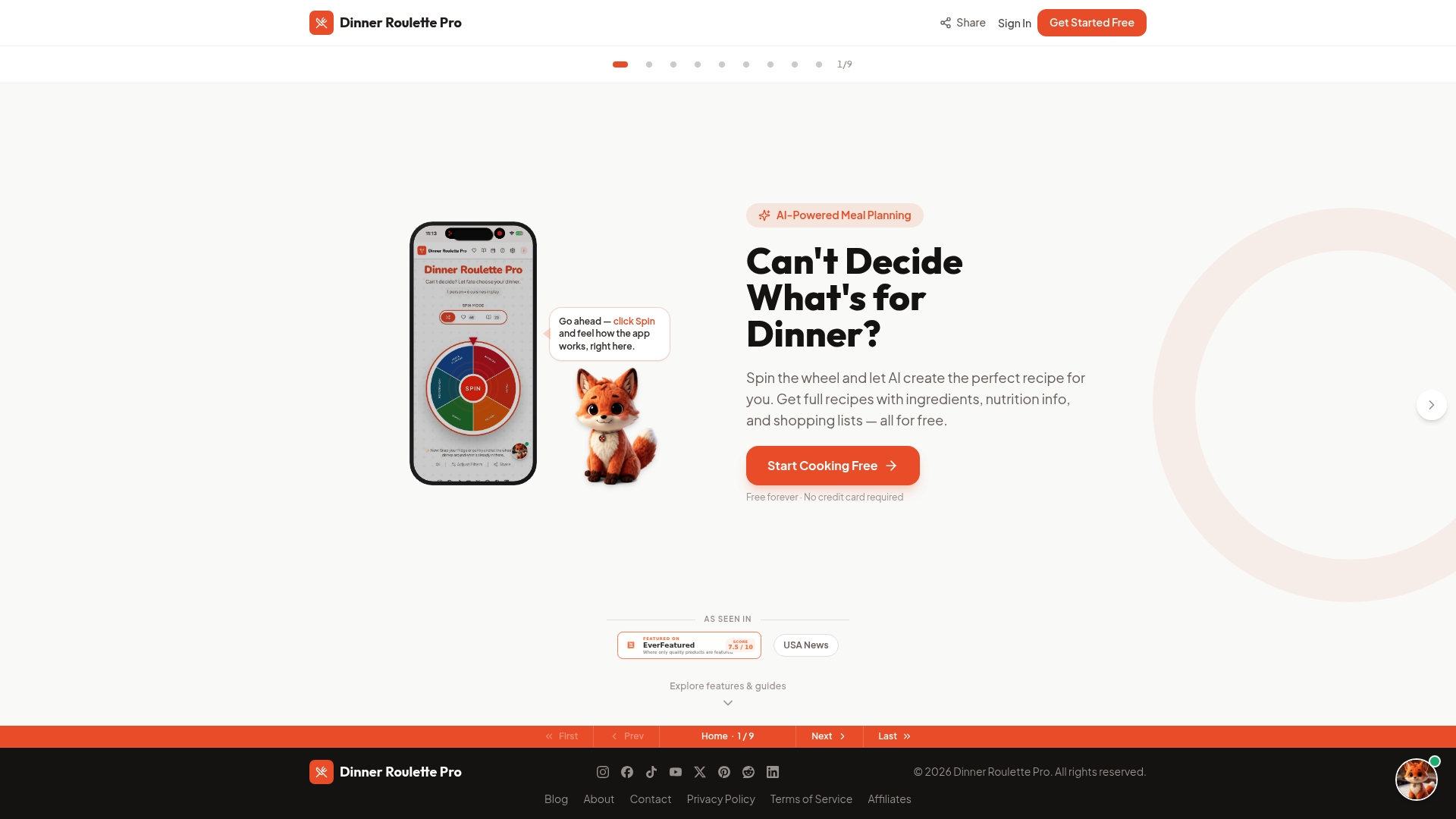
If you’re trying to batch-cook or scale a recipe for a bigger family gathering, the Smart Scale™ feature adjusts ingredient quantities deterministically instead of just doing rough math, which matters when you’re doubling a chickpea stew for the freezer and don’t want to guess at the seasoning ratio. And if keeping your weeknight recipes organized and easy to find again is the actual bottleneck, the Recipe Organization Guide walks through how to build a rotation you’ll actually stick to instead of losing good recipes in a pile of screenshots. Premium subscribers get extra features like dietary restriction filtering and allergy checks, but the core recipe generation and shopping list tools stay free. Spin the wheel, get a Mediterranean dinner idea, and go shopping with a list already built for you.
Sources
A short list of sources worth bookmarking if you want to go deeper than this roundup:
- The Mediterranean Diet Skillet Dinner I Can’t Stop Making
- Guide to the Mediterranean diet — Harvard Health
- Healthy Mediterranean Diet Meal Plan, Food Lists, and Recipes — Oldways
- 12 Mediterranean Recipes That Turn Simple Ingredients Into Bright, Flavorful Dinners — Serious Eats
- Mediterranean pasta recipe — A Couple Cooks
This article is general information, not a substitute for advice from a qualified doctor. Consult a qualified healthcare professional about your own circumstances before acting on anything here.