Monthly Meal Planning That Actually Sticks for Busy Families | Dinner Roulette Pro
August 26, 2026
Monthly Meal Planning That Actually Sticks for Busy Families
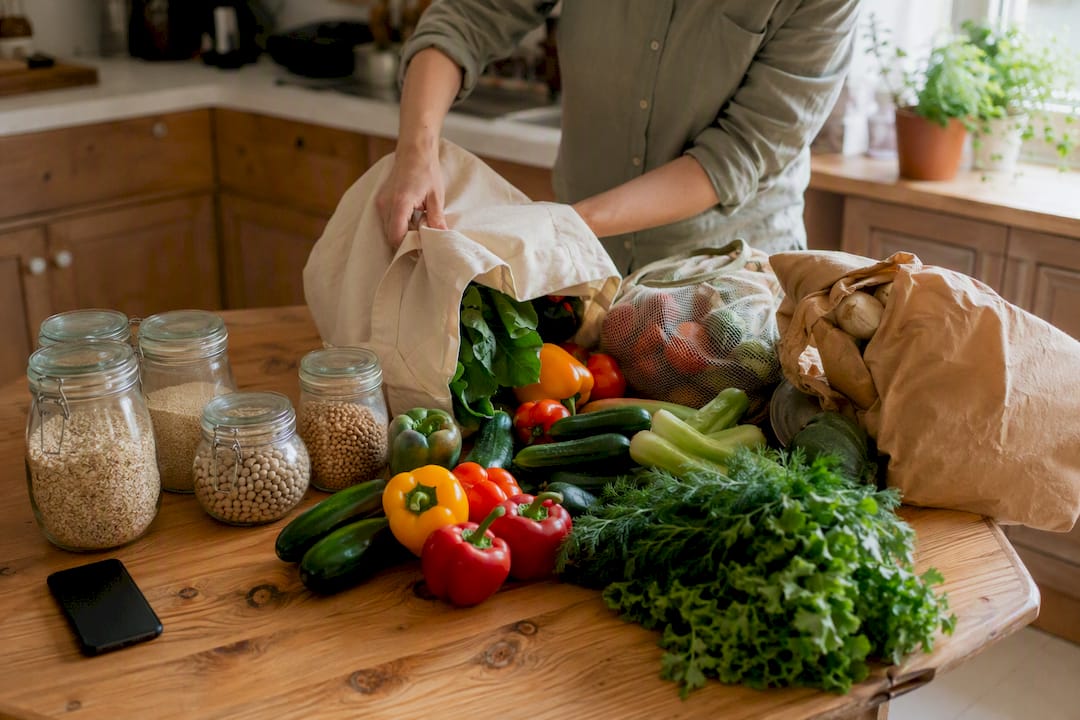
Monthly meal planning is a single planning session that decides most of your dinners for the next four weeks, so you shop less often, waste less food, and stop staring into the fridge at 6 p.m. wondering what to make. You can start today with four moves: pick your core recipes, slot them into a calendar, split your shopping list into monthly and weekly runs, and batch the staples you’ll use across the whole month.
Here’s the short version before you dive into the full system:
- Choose 10 to 15 dinners you already know your family likes.
- Drop them into a four-week calendar using simple weekday rules (quick Monday, slow Sunday, and so on).
- Build one shopping list, then split it: pantry and freezer staples get bought monthly, produce and dairy get bought weekly.
- Batch your staples and a few proteins early in the month so weeknight cooking takes 20 minutes instead of 60.
Do this once and you’ll spend less time deciding, less money on last-minute grocery runs, and throw away less spoiled produce by the time the month is over.
Key Takeaways
A repeatable pool of 10 to 15 core dinners, split into monthly staple runs and weekly fresh shops, is what makes a full month of meals sustainable without daily decision-making.
| Point | Details |
|---|---|
| Keep a small recipe pool | Build 10 to 15 core dinners and add just 2 to 3 new recipes each month for variety. |
| Split your shopping list | Buy pantry and freezer staples monthly, produce and dairy weekly, to cut store trips and cost. |
| Build in flex nights | Leave 1 to 3 open nights per week so takeout or leftovers don’t derail the whole plan. |
| Batch cook once a week | Cook proteins, grains, and chopped vegetables in one session to speed up weeknight cooking. |
| Automate with Dinner Roulette Pro | The app generates recipes, shopping lists, and dietary filters for free, removing the manual planning step. |
Table of Contents
- How to Start Monthly Meal Planning: Your Prep Session
- How Many Recipes Do You Need for a Month of Dinners?
- Filling In Your Calendar: Rules That Make Slotting Fast
- Turning Your Calendar Into a Real Shopping List
- Storing What You Buy: Pantry and Freezer Strategy
- A Copyable 4-Week Dinner Template You Can Start Using
- Batch Cooking That Actually Frees Up Your Weeknights
- When You Fall Off the Plan (Because You Will)
- Why This System Works: An Editorial Take
- Let Dinner Roulette Pro Build the Calendar for You
- Sources
How to Start Monthly Meal Planning: Your Prep Session
Before you touch a calendar, gather four things: a blank monthly template (printed or digital), your pantry and freezer inventory, a folder or app of go-to recipes, and 30 to 60 minutes without interruptions. Skipping the inventory step is the most common mistake. Planning a month of dinners without knowing what’s already in your freezer just means you buy duplicates and eventually pitch them.
Here’s the actual process:
- Do a five-minute pantry and freezer sweep. Note what needs using up soon, especially proteins nearing their freeze date.
- Pull recipes into three piles. Family favorites you cook on autopilot, quick wins for chaotic weeknights, and one or two new recipes you want to try this month.
- Set weekday categories before you place a single meal. Decide, for example, that Mondays are “15 minutes or less,” Wednesdays are “slow cooker,” and Fridays are “whatever sounds fun.”
- Fill the calendar by category, not by date. Match your quick-win recipes to your busiest days first, then let the rest fall into place.
A full session, inventory through calendar, usually takes 30 to 60 minutes once you’ve done it a couple of times. The first month always runs longer because you’re building your recipe folder from scratch.
Pro Tip: Do this planning session the same day you do your big grocery trip, ideally a weekend morning. Your fridge and pantry are freshest in your memory, and you walk straight from the calendar into the shopping list.
If you want a scaled version for a smaller household, meal planning for one person uses the same bones with a lighter shopping list.
How Many Recipes Do You Need for a Month of Dinners?
You don’t need 30 unique dinners to fill 30 days. Most successful monthly planners lean on a core rotation of 10 to 15 repeatable recipes, then layer in two or three new ones each month to keep things interesting. That’s the whole trick: repetition is what makes the system sustainable, not a liability you have to hide.
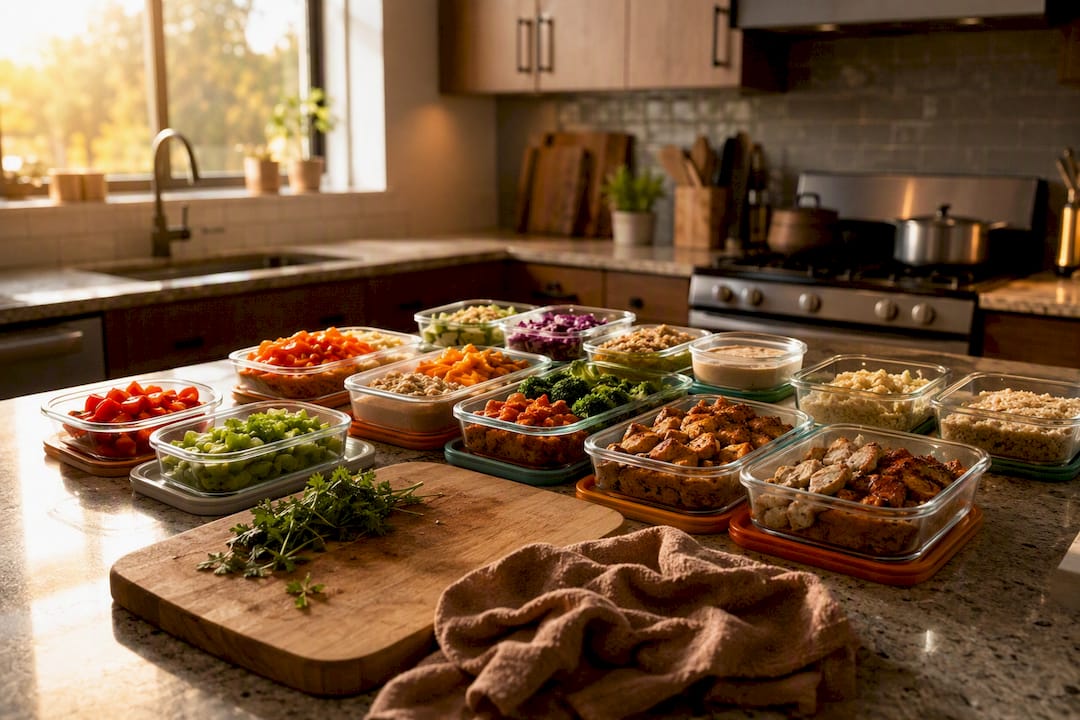
A minimal recipe pool with intentional repeats holds up better over months and years than constantly hunting for something new, mostly because nobody actually wants a different dinner every single night. Kids especially don’t.
A few rules for building your pool:
- Start with your five most-requested dinners. These are non-negotiable anchors.
- Add five to ten more that take under 40 minutes and use ingredients you already buy regularly.
- Introduce two or three new recipes per month, and only keep the ones that get eaten without complaint.
- Cut anything that gets skipped twice in a row. If nobody’s excited to eat it, it’s dead weight on your calendar.
For dietary restrictions, don’t rebuild your whole plan. Keep a short list of one-to-one swaps (gluten-free pasta for regular, a plant-based protein for chicken) so you can adjust a single recipe without touching the rest of the month. If you’re managing an allergy or a restriction across the whole household, a dedicated dietary restriction planner can hold those swaps for you automatically instead of you re-deriving them every month.
Filling In Your Calendar: Rules That Make Slotting Fast
Slotting recipes into a month works best when you stop trying to plan each day individually and instead apply a few standing rules across all four weeks.
- Match effort to the day. Quick meals go on Mondays and the day after any weekend trip; slow-cooker or oven meals go on days you’re home most of the afternoon; save your “fun” recipe, the one with extra steps, for Friday or Saturday.
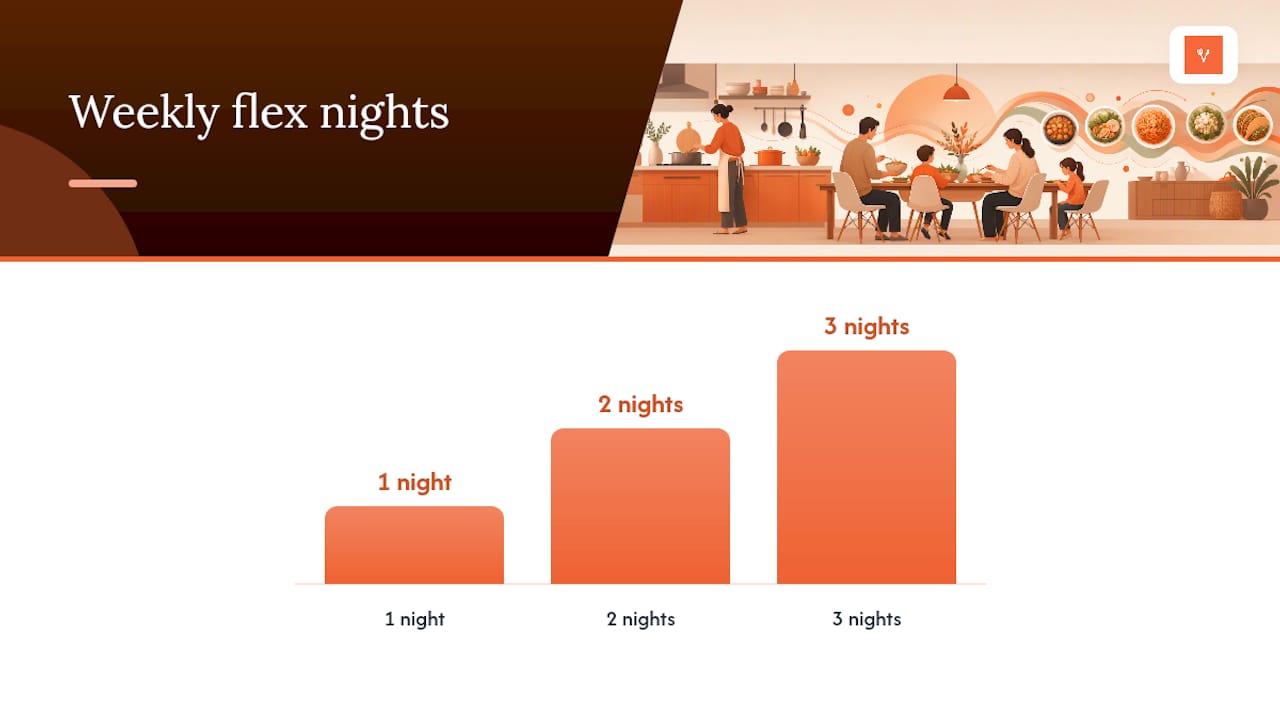
- Leave one to three flex nights per week. These are your pressure valves for takeout, leftovers, or plans changing last minute. Skipping this step is the single biggest reason people abandon a plan halfway through the month, since a rigid calendar with no built-in slack breaks the first time life gets in the way.
- Repeat a weekly block instead of planning 30 individual days. Build one strong week, then copy it forward with small swaps. A two-week rotation works just as well if you want a bit more variety without doubling your planning time.
- Adjust for the week’s chaos level in advance. If you know week three has a school event and a late work night, move your slowest recipes there and save the quick 15-minute meals for those exact days.
A simple pattern to copy: Monday quick, Tuesday pantry-based, Wednesday slow cooker, Thursday flex, Friday fun, Saturday leftovers or takeout, Sunday a slower cook that sets up Monday’s lunch. Repeat with light variation for four weeks and you’re done.
If you want more rotation patterns to steal, the weekly dinner rotation guide has several week-block templates you can drop straight into a month.
Turning Your Calendar Into a Real Shopping List
Once your month is slotted, go through it recipe by recipe and write down every ingredient. Then combine duplicates: three recipes calling for onions becomes one line that says “onions x6.”
The real efficiency move is splitting that master list into two separate shopping trips instead of one overwhelming one.
- Monthly list: pantry staples, frozen proteins, canned goods, spices, anything shelf-stable or freezer-stable that won’t degrade before you use it.
- Weekly list: produce, dairy, fresh herbs, bread, and anything else that spoils fast.
This split matters for your wallet as much as your schedule. Buying staples in bulk once a month while shopping fresh items weekly cuts down on how often you’re standing in a grocery store making impulse decisions, and it lets you buy proteins and staples when they’re on sale rather than whenever you happen to run out.
When you’re estimating quantities for a bulk buy, round up slightly and freeze the extra rather than rounding down and running short mid-month. A pound of ground beef split into three recipes across the month is easier to plan around than buying exactly what one recipe needs each week.
Time your bulk purchases around sales cycles when you can. Many grocery chains rotate protein and pantry specials on a two-to-four week cycle, so checking the weekly ad before your monthly trip, rather than after, is worth the extra five minutes.
Storing What You Buy: Pantry and Freezer Strategy
Buying a month of staples only pays off if you can actually find and use what you bought. Anything shelf-stable, rice, pasta, canned tomatoes, dried beans, goes in the pantry. Proteins, pre-chopped vegetables, and any double batches of sauce or soup go straight into the freezer in meal-sized portions.
- Portion proteins into freezer bags sized for one recipe before freezing, not after. It’s much faster to grab and thaw one bag than to hack apart a frozen block.
- Label everything with the contents and the date you froze it. A sharpie and a roll of masking tape is a fully sufficient system.
- Use FIFO (first in, first out): put newer items behind older ones so nothing gets buried and forgotten for three months.
- Keep a small dry-erase list on the freezer door of what’s inside. It saves you from digging through frost to find the chicken thighs.
Pro Tip: Freeze sauces and soups flat in labeled bags before stacking them upright. They thaw faster and take up a fraction of the space.
If pantry chaos is a bigger problem than meal ideas at your house, organizing your kitchen for a smoother routine makes the monthly system easier to maintain long term.
A Copyable 4-Week Dinner Template You Can Start Using
Here’s a skeleton built around repeats and flex nights, the same structure behind plans that pick a handful of dinner options per week instead of inventing 30 new meals.
| Week | Mon (quick) | Wed (slow cook) | Fri (fun night) | Flex nights |
|---|---|---|---|---|
| 1 | Sheet-pan chicken | Chili | Homemade pizza | Tue, Sat |
| 2 | Stir-fry | Pot roast | Tacos | Thu, Sun |
| 3 | Sheet-pan chicken (repeat) | Soup | New recipe try | Tue, Sat |
| 4 | Pasta | Chili (repeat) | Burgers | Thu, Sun |
To scale this for a bigger family, double the slow-cooker recipes and freeze half. For a smaller household, halve the sheet-pan and stir-fry portions and skip the repeat week entirely. Want variety without extra planning? Swap the “fun night” recipe for a different cuisine each week: Friday 1 Italian, Friday 2 Mexican, Friday 3 something new, Friday 4 American classics.
Batch Cooking That Actually Frees Up Your Weeknights
Pick one day, usually a weekend, to knock out the prep that makes the rest of the month easier.
- Cook two or three proteins in bulk. Grill or roast enough chicken, ground beef, or beans for three to four recipes at once.
- Batch a grain or starch. Rice, quinoa, or roasted potatoes reheat well and shave 15 minutes off any weeknight.
- Chop vegetables for the week ahead. Store them in clear containers so they’re the first thing you see when you open the fridge.
- Double any recipe that freezes well. Chili, soup, and casseroles are the easiest wins here; cook once, eat twice.
Lean on your slow cooker or Instant Pot for the biggest batch, and treat that single prep session as the anchor that makes four or five weeknights nearly hands-off.
When You Fall Off the Plan (Because You Will)
Nobody follows a monthly plan perfectly, and that’s fine as long as you have rules for slipping back on track. Swap meals within the same effort category (quick for quick, slow cooker for slow cooker) so you’re not accidentally trading a 15-minute dinner for an hour-long one on a rough night.
- If you skip a planned dinner, slide it forward to the next open night instead of dropping it entirely.
- Let takeout happen on flex nights without guilt. That’s exactly what they’re there for.
- Reserve the “honor the plan” mindset for nights when a specific ingredient will spoil if you don’t use it.
- Repeat your proven winners often. Confidence in the system builds faster than perfection does.
Why This System Works: An Editorial Take
Decision fatigue, not cooking skill, is what wrecks most people’s dinners by Wednesday. A repeatable recipe pool and a two-tier shopping list solve that by removing the daily “what now” moment entirely. Tools like Dinner Roulette Pro fit naturally into this system because they generate recipes with ingredients and shopping lists already attached, cutting the browsing step out completely.
— Jack
Let Dinner Roulette Pro Build the Calendar for You
Dinner Roulette Pro takes the four-step system above and automates the parts that eat up your planning session: it generates full recipes with ingredients and nutritional info, builds a shopping list automatically, filters for allergies and dietary restrictions, and exports the whole thing to a calendar you can follow all month.
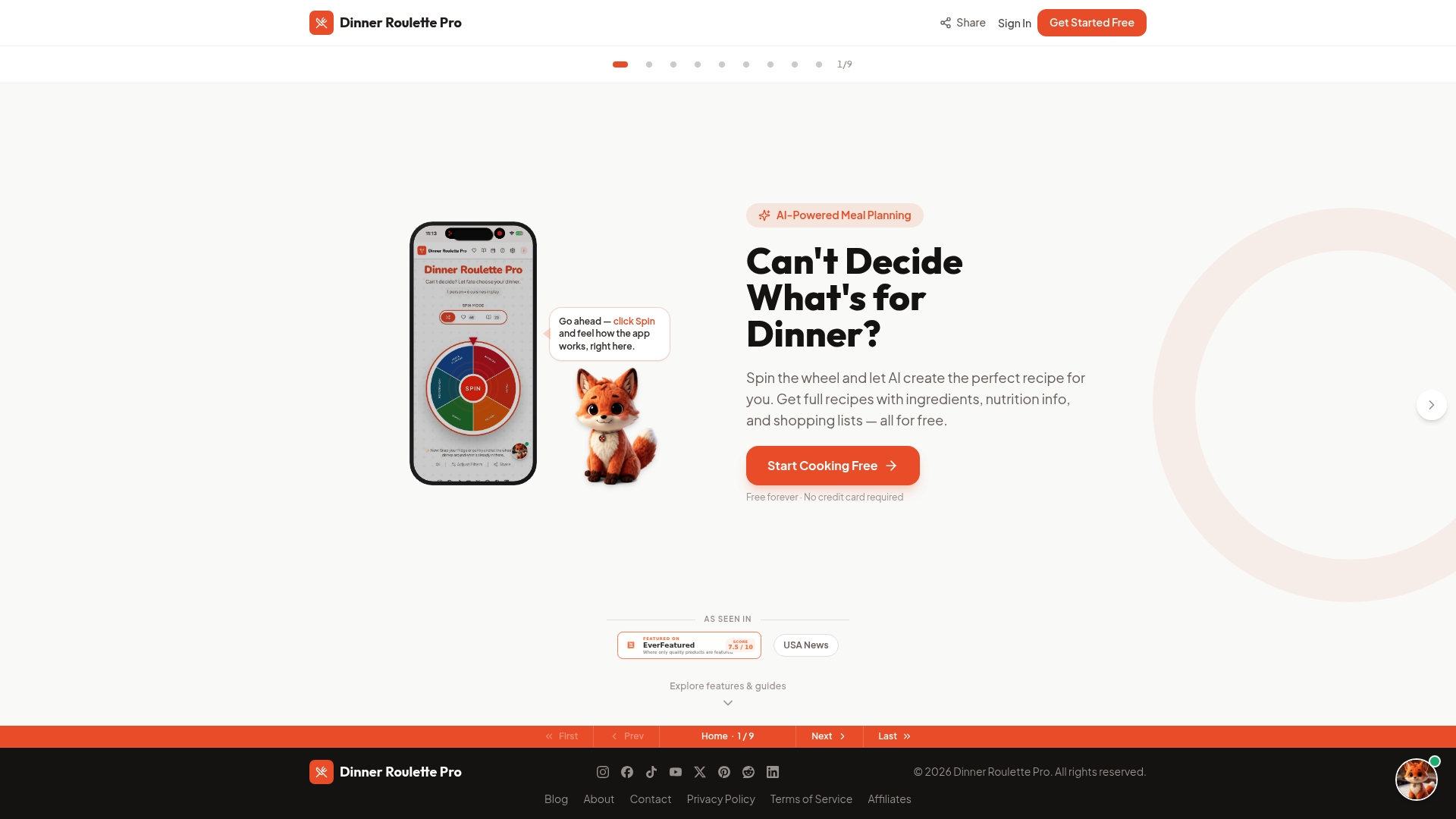
Instead of manually tallying ingredients across 15 recipes, you spin for a dinner, get a complete recipe with a shopping list attached, and repeat until your month is full. If you’d rather build the recipe pool and shopping split by hand first, the Recipe Organization Guide and Shopping List Guide walk through both in more detail, free to download. The core recipe generation and basic planning tools cost nothing to use; premium unlocks features like SafeMode, advanced nutrition scoring, and one-tap grocery ordering through Walmart or Instacart. Start with a free spin and see how much of the month it fills in for you.
Sources
- How To Meal Plan
- 28 Day Mediterranean Diet Meal Plan – A Couple Cooks
- 4-Week Weight Loss Meal Plan With Grocery List - ForkFulfit
- 30-Day August Meal Plan for Families (Free & Clickable Recipes) - Hungry Whisk