Ready to Use Vegetarian Meal Planner: 7 Day Plan and 30 Day Rotation | Dinner Roulette Pro
September 16, 2026
Ready to Use Vegetarian Meal Planner: 7 Day Plan and 30 Day Rotation
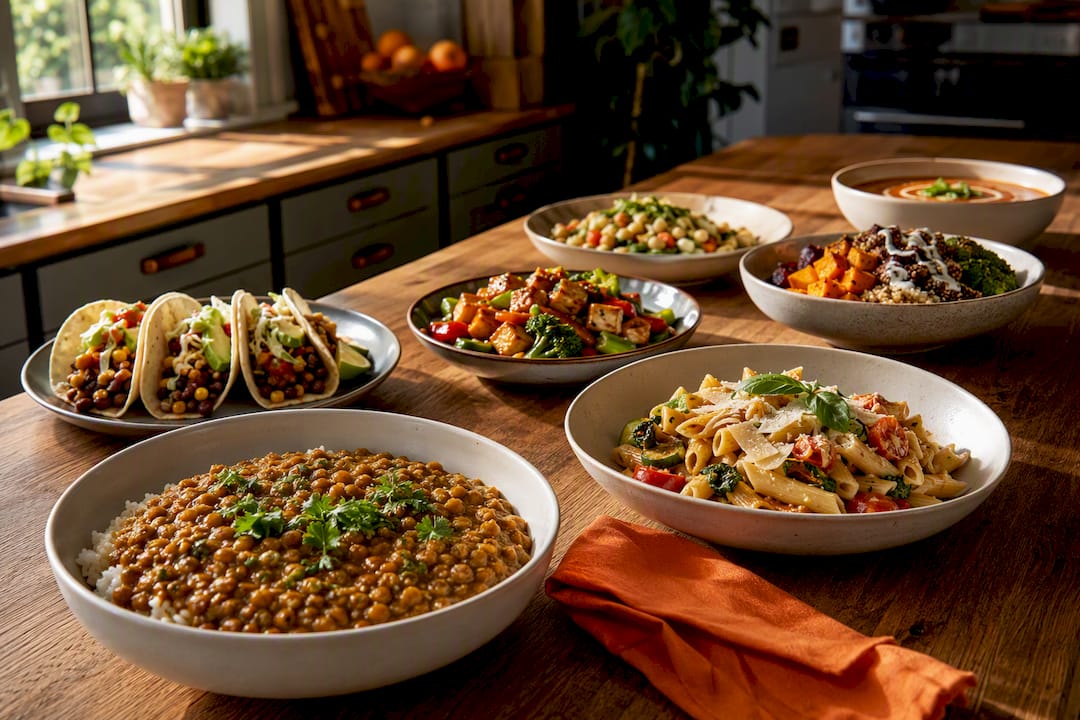
Use the ready-to-copy 7-day and 30-day vegetarian meal-plan templates below, along with the consolidated shopping lists and prep steps that follow, to plan dinners for the week or month with almost no daily decisions left. Each plan includes swap options for common dietary restrictions, so you can adjust ingredients without rebuilding the structure. Shop once, prep on a set day, and the rest of the week runs on autopilot.
TL;DR:
- A weekly vegetarian meal plan relies on repeating core dishes and reusing ingredients to minimize prep time and grocery waste.
- Batch-cooking grains and legumes on weekends simplifies assembly of multiple meals, with storage guidelines supporting freshness and quality.
- The 30-day rotation groups meals into themes like legumes or global cuisines, reducing decision fatigue and allowing for easy customization.
- Simple techniques such as one-pot pasta, sheet-pan roasting, and skillet cooking make weeknight dinners quick, with leftovers suitable for lunches.
- Automation tools like Dinner Roulette Pro can streamline planning, generate shopping lists, and help lock in favorite recipes for sustainable meal rotations.
Table of Contents
- Your 7-Day Vegetarian Meal Plan (With One Shopping List)
- The 30-Day Vegetarian Meal Plan: A Rotation You Can Repeat
- How Do You Batch-Cook and Store a Week of Vegetarian Meals?
- How Do You Customize a Vegetarian Meal Plan for Your Needs?
- Quick Vegetarian Dinners for Busy Weeknights
- Why a Real Meal Plan Beats a Recipe Collection
- Try Dinner Roulette Pro for Your Next Week of Dinners
- Sources
- FAQ
Your 7-Day Vegetarian Meal Plan (With One Shopping List)
A working vegetarian weekly meal plan doesn’t need seven brand-new recipes. The NYT Cooking approach to weekly vegetarian planning builds a week around a handful of core dishes and reuses ingredients across two or three meals, which cuts both cooking time and grocery waste. This plan follows the same logic: five distinct dinners, two intentional repeats using leftovers.
The 7-day lineup:
- Monday: One-pot chickpea and spinach curry. Simmer 25 minutes; serve over rice. Swap coconut milk for cashew cream if dairy-free already applies (this dish is naturally vegan).
- Tuesday: Sheet-pan tempeh and roasted vegetables. 30 minutes hands-off; toss extra vegetables for Thursday’s grain bowl.
- Wednesday: Butternut squash lasagna. Best made ahead. Budget Bytes notes it tastes even better the next day, so cook Sunday and reheat.
- Thursday: Grain bowl using Tuesday’s roasted vegetables plus a fried egg or crumbled tofu, tahini dressing. 10 minutes.
- Friday: Black bean quesadillas. 15 minutes, kid-friendly, freezer-friendly if you double the filling.
- Saturday: Wednesday’s lasagna, second portion, plus a quick side salad.
- Sunday: One-pot lentil and vegetable stew, made in bulk to seed Monday’s lunches.
Shopping list, grouped by aisle:
- Produce: spinach, mixed roasting vegetables (carrots, zucchini, bell peppers), butternut squash, lettuce, avocado
- Pantry: canned chickpeas, canned black beans, dried lentils, rice, tortillas, canned coconut milk, tahini, no-boil lasagna noodles
- Refrigerated/protein: tempeh, block tofu or eggs, shredded cheese (or dairy-free alternative), ricotta or cashew ricotta
Keep cumin, curry powder, garlic, onions, and olive oil stocked as standing pantry staples. Each dinner is designed to provide a meaningful amount of protein per portion, with the lentil stew typically offering a higher protein content once vegetable additions are included.
The 30-Day Vegetarian Meal Plan: A Rotation You Can Repeat
Trying to plan 30 unique dinners burns out most people by day 12. The fix is a rotation, not a marathon of new recipes. Taste of Home’s 30-day vegetarian dinner collection shows how day-by-day plans work best when built from repeatable categories rather than 30 one-off dishes.
Build four “week types” and cycle through them:
- Week A: Legume-forward — bean chili, lentil tacos, chickpea curry, red beans and rice
- Week B: Pasta and grain-forward — one-pot pasta, grain bowls, risotto, baked ziti
- Week C: Global theme night — stir-fry, enchiladas, curry, falafel plates
- Week D: Batch-and-stretch — a big-batch soup or stew that covers two dinners, plus lighter meals around it
Assign a theme to each night (Meatless Monday is redundant here, but “Taco Tuesday” and “Stir-Fry Friday” still work) so decisions shrink to picking a filling, not inventing a menu. Repeat Week A through D as your 30-day rotation, then swap one or two recipes each cycle to keep it fresh without starting from zero.
Monthly cadence that actually holds up:
- Shop every 7 days using the same aisle-grouped list format from the weekly plan
- Batch-cook grains and legumes every Sunday, regardless of which week type is active
- Set a recurring “swap night” every fourth week to retire a recipe that’s gone stale and test a new one
This structure works whether you’re managing a vegetarian meal planning app, a printed grid on the fridge, or nothing more than a recurring calendar reminder.
How Do You Batch-Cook and Store a Week of Vegetarian Meals?
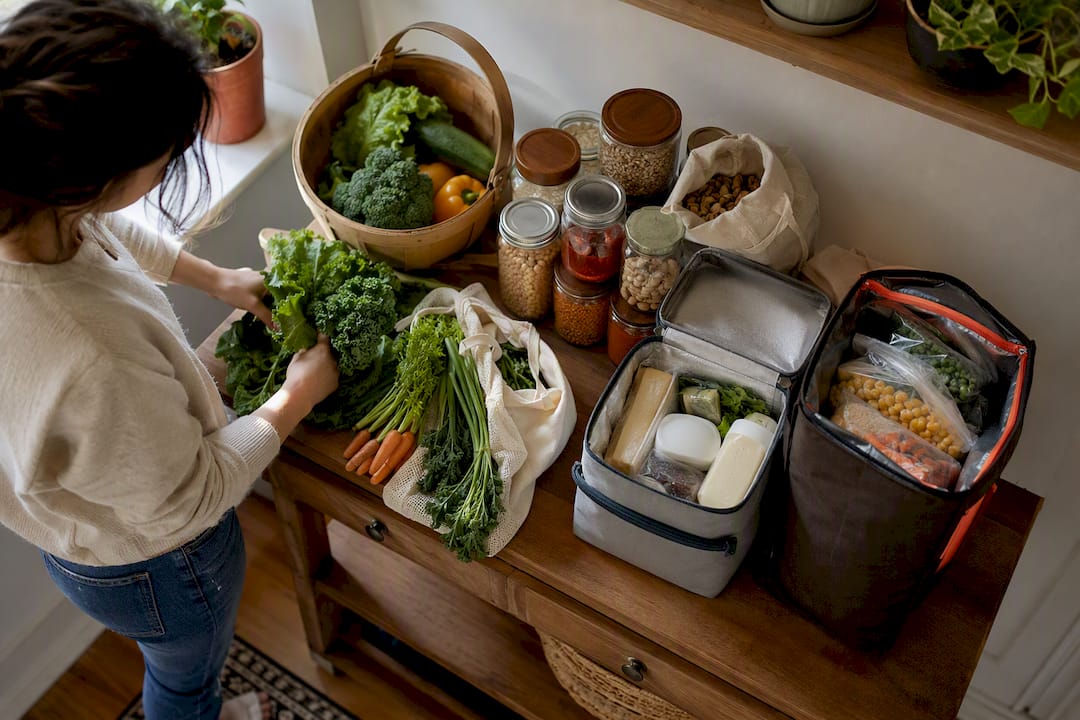
Meal prep for vegetarians comes down to cooking a small set of foundation components once, then recombining them into different dinners. A solid weekend session covers three to four cups of cooked grains, two to three cups of cooked legumes, one roasted pan of root vegetables, and one or two versatile sauces (tahini dressing, marinara, peanut sauce).
The weekend workflow:
- Cook a large batch of rice or quinoa while you prep everything else.
- Simmer lentils or chickpeas in a second pot at the same time.
- Roast a sheet pan of whatever vegetables are cheapest that week.
- Chop raw vegetables for quick-cook meals (stir-fry, tacos) and store in sealed containers.
- Assemble one full make-ahead dish, like the butternut squash lasagna, for a zero-effort weeknight.
- Freeze half of any soup, stew, or casserole in individual portions.
Storage and reheating guidelines:
- Cooked grains and legumes: 4 to 5 days refrigerated, up to 3 months frozen
- Roasted vegetables: 4 days refrigerated; they lose texture in the freezer, so cook fresh instead
- Soups, stews, and casseroles: 4 days refrigerated, 3 months frozen in flat, labeled bags
- Reheat grain and legume dishes with a splash of water or broth to restore moisture; reheat sheet-pan vegetables in a hot oven or air fryer, not the microwave, to avoid sogginess
Pro Tip: Freeze sauces separately in ice cube trays, then pop out a few cubes to flavor a fast skillet meal without thawing a whole container.
Group your grocery list by aisle (produce, pantry, refrigerated, frozen) instead of by recipe. It cuts shopping time and helps you spot pantry staples you’re about to run out of before you’re standing in the kitchen without them.
How Do You Customize a Vegetarian Meal Plan for Your Needs?
Every plan above is a starting frame, not a fixed menu. Adjusting it for allergies, macros, or a specific diet is mostly a matter of swapping proteins and fats without touching the structure.
- Vegan: replace dairy cheese with nutritional yeast or cashew-based alternatives; swap eggs for tofu scramble or flax egg in baking
- Gluten-free: use rice, quinoa, or gluten-free pasta in place of wheat noodles; check tortillas and soy sauce for hidden gluten
- Nut-free: swap tahini or cashew cream for sunflower seed butter or plain yogurt-based sauces
- Dairy-free: coconut milk, oat milk, and dairy-free cheese cover most of the recipes in the 7-day plan without altering cook times
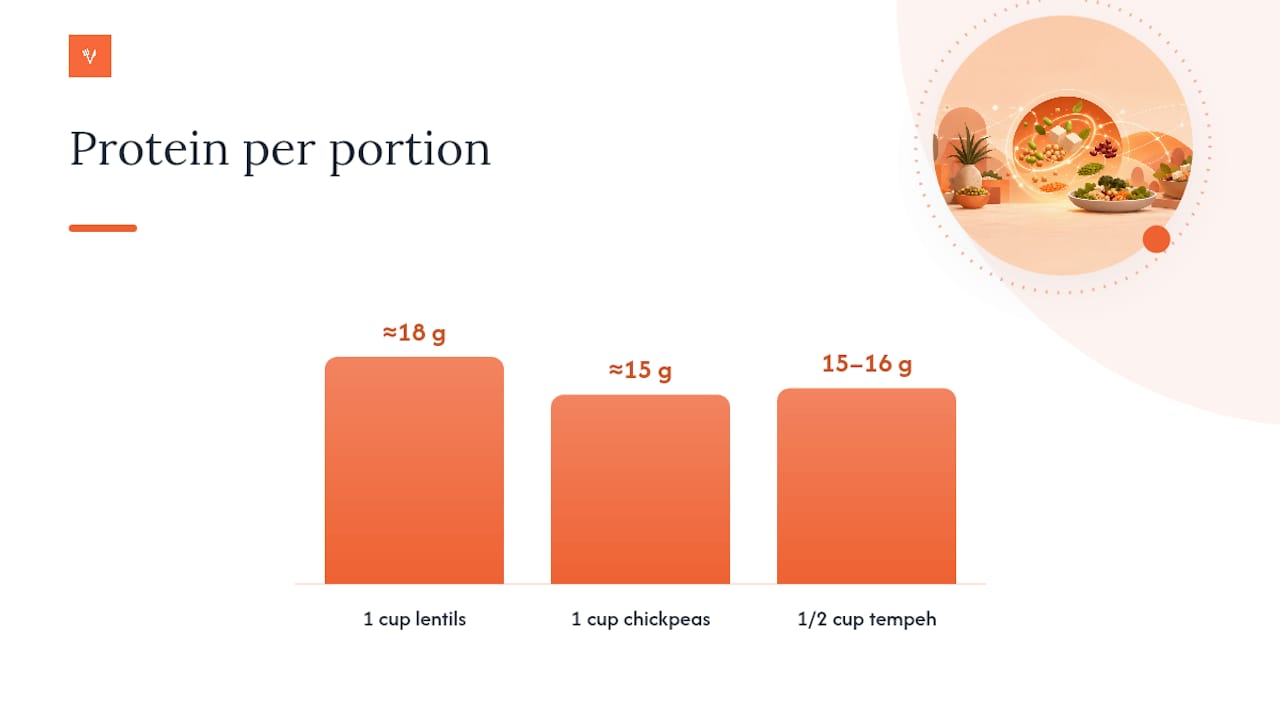
Protein-boosting swaps and rough portions: one cup of cooked lentils runs about 18 grams of protein; one cup of cooked chickpeas is closer to 15 grams; a half-cup of tempeh adds roughly 15 to 16 grams. Stack two of these into a single dinner (lentils plus a side of edamame, for instance) to push a meal past 30 grams of protein without touching a supplement aisle.
For a rough daily macro check without formal tracking, aim for a protein source at every meal, a starch or grain for energy, and at least two vegetable servings at dinner. Leafy greens also carry meaningful vitamin K, which the Harvard T.H. Chan School of Public Health’s Nutrition Source flags as a nutrient worth watching on a produce-heavy diet. If you’re training heavily, managing a medical condition, or trying to hit precise numbers, a registered dietitian can tailor targets far more accurately than any generic plan.
Quick Vegetarian Dinners for Busy Weeknights
Three techniques cover most weeknight emergencies: one-pot, sheet-pan, and skillet. One-pot meals win when you want minimal cleanup and don’t mind everything cooking together. Sheet-pan dinners win when you want hands-off roasting while you handle something else. Skillets win when you need speed above all else, usually under 20 minutes.
Three go-to recipes:
- One-pot pasta: pasta, marinara, vegetable broth, and spinach simmered together in one pot until the pasta absorbs the liquid. A plant-forward one-pot pasta approach shows how a single sauce base can carry a whole dinner in under 30 minutes. Leftovers reheat well with a splash of broth.
- Lentil skillet: sauté onion and garlic, add cooked lentils, canned tomatoes, and cumin, simmer 10 minutes. Great over rice or scooped with pita. Doubles easily for lunches.
- Sheet-pan tempeh and vegetables: toss cubed tempeh with root vegetables and a soy-maple glaze, roast at 400°F for 25 minutes. Leftovers fold neatly into a grain bowl the next day.
For kids, cut spice levels in half and serve sauces on the side. To scale any of these for a bigger household, double the grain or pasta before doubling the vegetables, since starch stretches further than produce does.
Why a Real Meal Plan Beats a Recipe Collection
Most people don’t fail at vegetarian eating because they lack recipes. They fail because they hit 5:30 PM with no plan and default to takeout. A stack of bookmarked recipes doesn’t solve that problem. A structured rotation does, because it removes the moment of decision entirely.
That’s the gap an app can help close. Instead of scrolling for inspiration, you set your dietary filters once, spin for a recipe, and get a full result: ingredients, nutrition breakdown, and a shopping list, generated on the spot at no cost. If a suggestion misses, you regenerate it; if you love it, you lock it in so it stops showing up as a random spin and becomes a fixture in your own rotation. That single feature (lock a favorite, keep spinning for the rest) solves the exact tension a lot of home cooks describe: wanting variety without losing predictability, as demonstrated by tools like Yumzi that save and reuse recipe ideas efficiently.
The templates above work whether you build them by hand or through an app, but automation removes the fatigue that quietly derails Week 3 of most meal plans.
— Jack
Try Dinner Roulette Pro for Your Next Week of Dinners
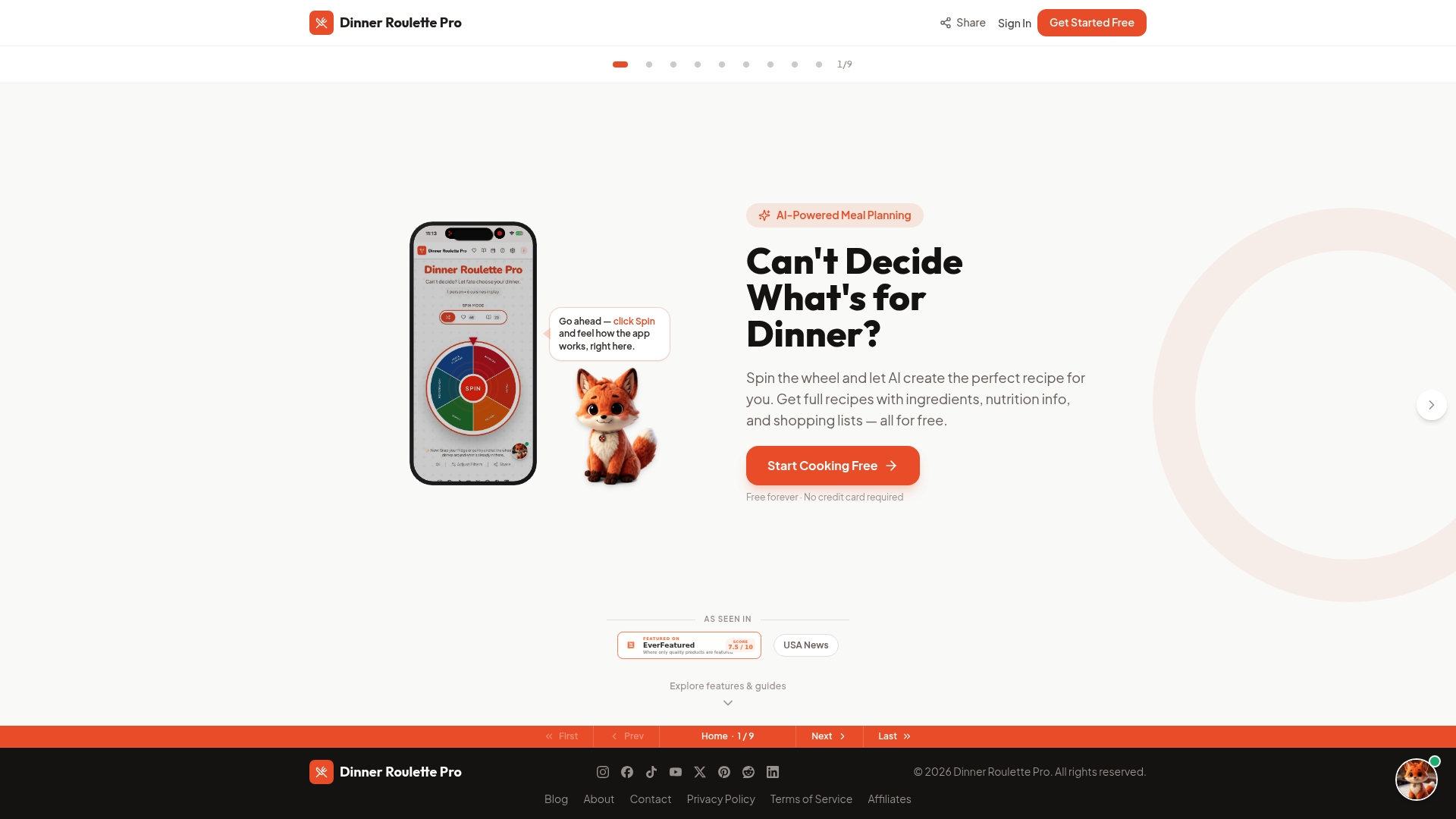
If the 7-day and 30-day templates above sound useful but rebuilding them by hand every month feels like a chore, that’s exactly the gap Dinner Roulette Pro fills. Set your dietary filters once (vegetarian, vegan, gluten-free, nut-free, whatever applies), spin the wheel, and get a full recipe with nutrition data and a shopping list attached, all at no cost for the core features.
Once you’ve locked in a few weeknight favorites, the Recipe Organization Guide walks through saving and reusing your best spins so you’re not starting from scratch every week. Pair that with the Shopping List Guide to turn a locked-in weekly rotation into a single, aisle-grouped grocery run. Premium features add deeper nutrition scoring and grocery cart integration for anyone who wants to skip the list-writing step entirely. Open the app, set your filters, and spin your first dinner tonight.
Sources
- How Our Veggie Writer Plans Meals for a Week - NYT Cooking
- 30-Day Vegetarian Dinner Meal Plan
- Vitamin K | The Nutrition Source | Harvard T.H. Chan School of Public Health
- Butternut Squash Lasagna - Budget Bytes
FAQ
What are 10 good dinner foods for vegetarians?
Strong options include chickpea curry, lentil stew, black bean quesadillas, butternut squash lasagna, tempeh stir-fry, grain bowls, veggie chili, sheet-pan roasted vegetables with tofu, one-pot pasta, and bean tacos.
What should I eat every day as a vegetarian?
Aim for a protein source (legumes, tofu, tempeh, eggs, or dairy), a whole grain, and at least two vegetable servings at each main meal to cover protein, iron, and fiber needs.
What is the easiest vegetarian meal to make?
A one-pot pasta with marinara, vegetable broth, and spinach is one of the simplest options: it cooks in a single pot in under 30 minutes with almost no cleanup.
What is a good weekly menu for a vegetarian?
A workable week mixes two or three core recipes stretched across multiple nights, one make-ahead dish like a lasagna, and one fast skillet meal, which is exactly the structure used in the 7-day plan above.
How do I stay vegetarian while eating out or at social events?
Check the menu ahead of time for a plant-based entrée or ask the kitchen to swap the protein in an existing dish, and eat a small protein-rich snack beforehand so you’re not stuck choosing between a side salad and nothing.