Lose 1–2 Pounds a Week With a 7 Day Meal Planner That Fits Your Life | Dinner Roulette Pro
September 24, 2026
Lose 1–2 Pounds a Week With a 7 Day Meal Planner That Fits Your Life
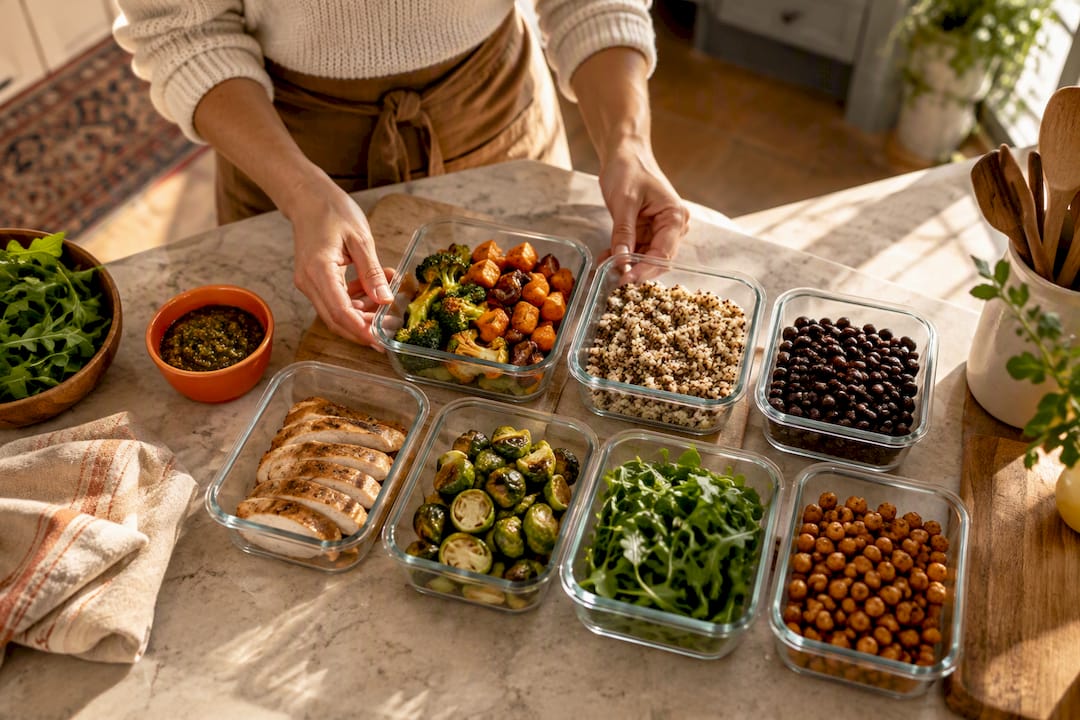
Dinner Roulette Pro is the best weight-loss meal planner for most people because it turns “what do I cook tonight” into an already-solved problem, using personalization, allergy checks, and shopping lists that keep you eating on plan without extra decisions. It works because adherence beats perfection. No app replaces gradual, realistic weight loss of about 1 to 2 pounds a week.
TL;DR:
- Dinner Roulette Pro offers personalized, allergy-checked recipes with calorie and macro details, helping users stick to weight-loss goals without decision fatigue.
- The app’s AI generates a 7-day plan that is easy to swap and customize, with shopping lists integrated directly into online grocery carts for convenience.
- Users should log their baseline habits for several days before generating plans, aim for 1 to 2 pounds weight loss weekly, and review plans regularly for best results.
- Those with medical conditions, pregnant, breastfeeding, or on specific medications should seek clinical advice before relying on calorie-based plans.
- Success depends on realistic goals, flexible planning, and weekly adjustments, as most apps fail when users feed them poor inputs or set overly strict restrictions.
Table of Contents
- What Is the Best Weight Loss Meal Planner and How Does It Work?
- What Should You Look for in a Meal Planner for Dieting?
- How Do You Build a 7-Day Weight Loss Meal Plan?
- When Should You Get Clinical Advice Before Following a Meal Plan?
- Why Meal Planners Fail (and How to Fix It)
- Start Your Weight Loss Meal Plan With Dinner Roulette Pro
- Sources
- FAQ
What Is the Best Weight Loss Meal Planner and How Does It Work?
A meal planner earns the “best for weight loss” label by doing one thing well: making the next meal obvious. Dinner Roulette Pro does this through an AI-driven roulette wheel. You set your preferences, spin, and get a full recipe with ingredients, nutrition data, and a shopping list attached. No blank-page planning, no scrolling through fifteen recipe blogs at 5 p.m. wondering what’s for dinner.
Here’s what’s under the hood:
- AI recipe generation tuned to your dietary restrictions, allergies, and stated goals, so the wheel never lands on something you can’t or won’t eat.
- Nutrition info with calorie and macro visibility, so you can see exactly what you’re eating without doing the math yourself.
- Automatic shopping list creation pulled straight from the week’s recipes, cutting the mental load of translating meals into a grocery run.
- One-tap grocery ordering through Walmart or Instacart integrations, so the list becomes a cart instead of a chore.
- SafeMode, built for low-energy or low-motivation days, which simplifies choices for neurodivergent users or anyone running on empty.
- A meal planning calendar that lays out the week at a glance instead of leaving you improvising night by night.
The app runs on a Free Forever tier that covers the core AI recipe generation and basic planning. For people who want the deeper customization, dietary and allergy controls, SafeMode, and grocery cart integration, paid plans run $4.99 a month, $39.99 a year, or a one-time $99.99 for lifetime access, all available on the Dinner Roulette Pro site.
Pro Tip: Spin the wheel for dinner first, since that’s the meal most people default to takeout on, then fill breakfast and lunch with faster, repeatable options. You don’t need seven unique dinners to lose weight. You need seven dinners you’ll actually cook.
What Should You Look for in a Meal Planner for Dieting?
Not every planner deserves your subscription fee. Before you commit to one, run it through this checklist:
- Personalization depth. Does it ask about your current eating habits, goals, household size, cooking time, and budget, or does it just spit out generic 1,200-calorie menus?
- Nutrition transparency. Some people want to see every gram of protein and every calorie; others just want a plan that quietly hits reasonable targets without turning dinner into a spreadsheet. Decide which style keeps you engaged instead of anxious, since either approach can work depending on the person.
- Dietary and allergy handling. This isn’t optional. A planner that doesn’t reliably filter out your allergens or restricted foods is a liability, not a convenience.
- 7-day plan generation with real swapability. You should be able to regenerate or swap a single meal without blowing up the whole week.
- Shopping list quality and grocery integration. A list that doesn’t match the actual recipes, or that dumps duplicate items, defeats the purpose.
- Tracking and review support. The CDC recommends tracking food, activity, sleep, and stress for several days and reviewing progress weekly. A planner should make that easy, not add another app to juggle.
- Red flags. Walk away from anything promising 20 pounds in 30 days or offering zero mechanism for adjusting the plan once real life interferes.
The NIDDK’s guidance on choosing a weight-loss program is blunt about this: legitimate programs include a reasonable eating plan, activity guidance, and behavior-change support. Extreme promises are a warning sign, not a selling point.
How Do You Build a 7-Day Weight Loss Meal Plan?
A meal planning app for weight loss only works if you feed it good information first. Here’s the workflow that actually holds up week over week:
- Spend three to four days logging your current food, activity, sleep, and stress before you touch a planner. This baseline is what makes the AI’s suggestions realistic instead of generic.
- Set a goal that fits your timeline. Aim for 1 to 2 pounds a week, or 5% to 10% of your starting weight over six months, in line with CDC guidance. Enter that into the planner rather than guessing at a calorie number.
- Generate your 7-day plan, then actually review it. Swap out anything that requires an ingredient you’ll never buy or a cooking time you don’t have on a Tuesday night.
- Prioritize nutrient-dense meals. The Dietary Guidelines for Americans recommend building plates around fruits, vegetables, whole grains, and varied protein, which is the MyPlate framework in practice.
- Pull the aggregated shopping list and either send it to a grocery cart integration or shop it directly. Prep staples like grains, roasted vegetables, or proteins in bulk to reduce weekday cooking friction.
- Track adherence daily, even loosely, and do a real weekly review. Adjust the next week’s plan based on what you actually ate, not what you intended to eat.
Small habits make or break this loop:
- Keep a running list of two or three “safe” backup meals for chaotic nights.
- Don’t regenerate the whole week over one bad dinner.
- Treat the shopping list as a starting point, not gospel, and trim what you already have.
This mirrors how planners like Dinner Roulette Pro handle recipe organization, where the goal is reducing friction between planning and actually eating the plan.
When Should You Get Clinical Advice Before Following a Meal Plan?
A meal planner is a behavior-change tool, not a medical device. Certain situations call for a clinician before you lean on any app’s calorie targets, including this one:
- Pregnancy or breastfeeding, where calorie and nutrient needs shift significantly.
- GLP-1 medications or diabetes management, where appetite and blood sugar respond differently to standard deficits.
- Kidney disease or other chronic conditions affecting protein or sodium needs.
- A history of disordered eating, where rigid calorie tracking can do more harm than good.
Fixed, one-size-fits-all calorie menus are a red flag for anyone in these groups. A 500-calorie daily deficit is a reasonable general starting point, but it’s a starting point, not a universal prescription. Enter allergies accurately every time, double check high-protein swaps if your appetite changes, and pay attention to energy levels or side effects that suggest the plan needs adjusting. If you’re managing a medical condition alongside weight loss, providers like Dr. Meet Parikh’s nutrition counseling can set individualized targets a generic app can’t.
Why Meal Planners Fail (and How to Fix It)
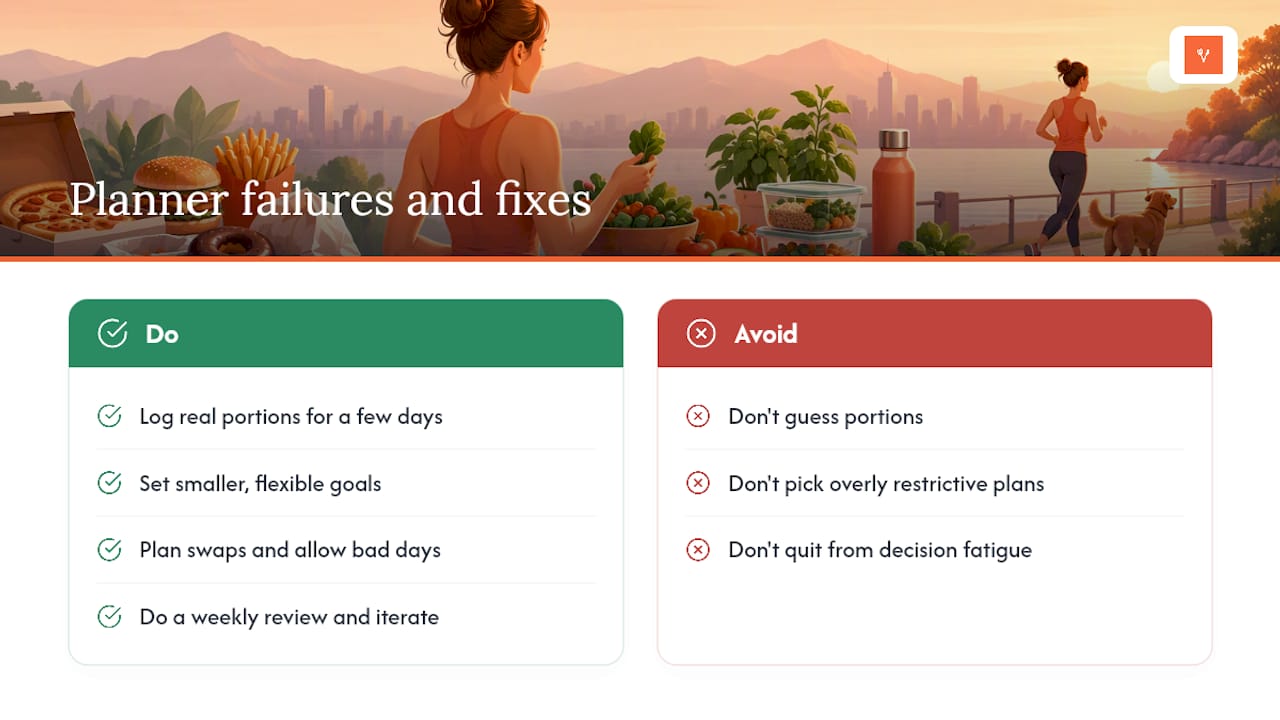
Most meal planning apps for weight loss don’t fail because the technology is bad. They fail because people feed them bad inputs, then build plans too strict to survive a real week. I’ve seen the same three mistakes over and over: guessing at portions instead of logging a few honest days first, picking restrictive plans that leave no room for a bad Tuesday, and quitting the moment decision fatigue creeps back in.
The fix isn’t a better app. It’s smaller goals, more swaps, and a weekly review that treats the plan as a draft, not a contract. Prioritize variety and nutrient density over perfect calorie math, since the 3500-calorie-per-pound rule oversimplifies real weight loss anyway. Iterate weekly. That’s the whole system.
— Jack
Start Your Weight Loss Meal Plan With Dinner Roulette Pro
Dinner Roulette Pro removes the daily “what’s for dinner” decision that derails most weight-loss efforts, pairing personalized, allergy-checked recipes with automatic shopping lists so adherence doesn’t depend on willpower alone.
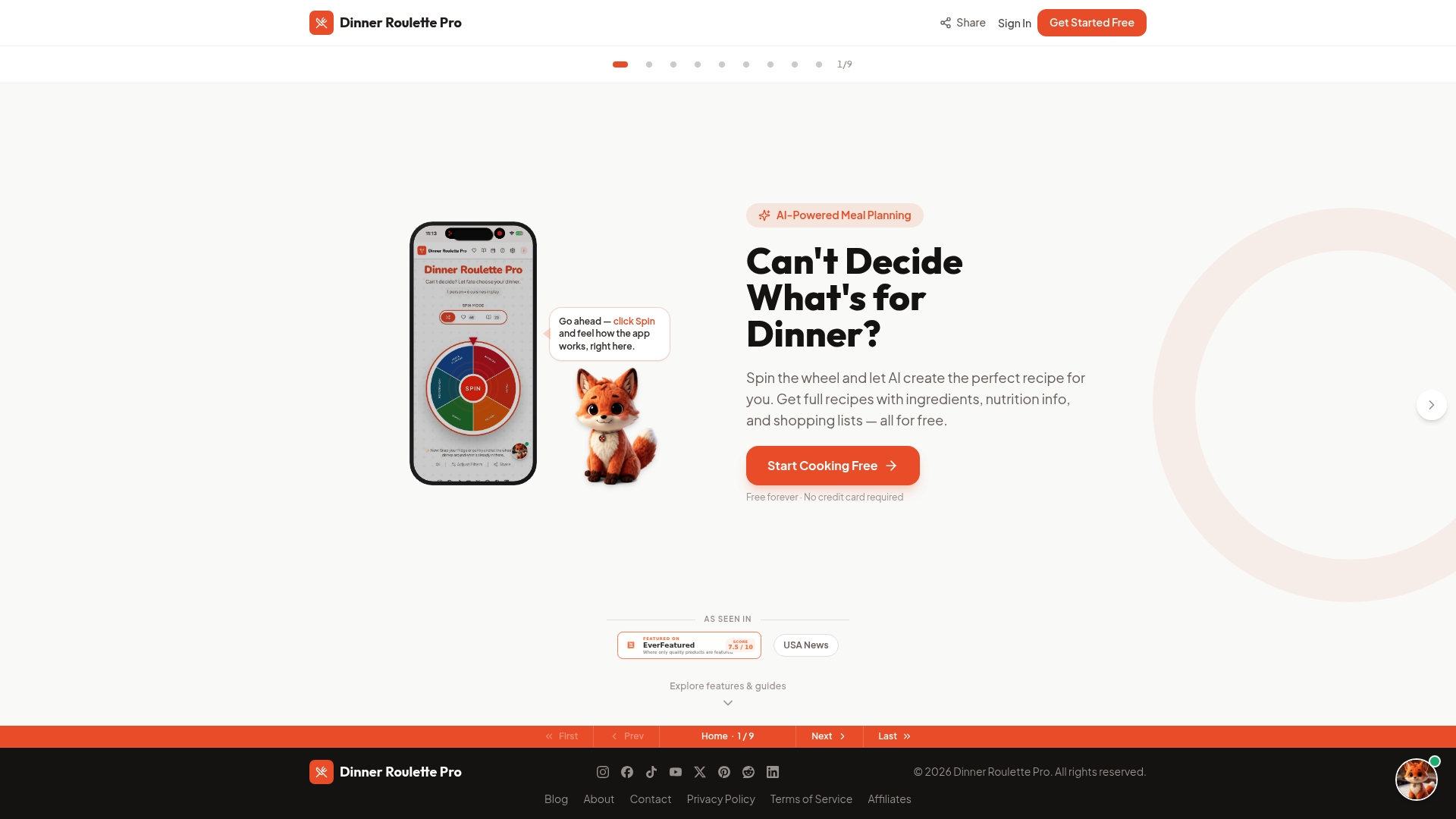
Getting started takes minutes. Sign up free, set your dietary restrictions and weight-loss goals, and spin the wheel to generate your first 7-day plan. Review the portions, swap anything unrealistic for your week, then use the one-tap grocery cart integration to turn your shopping list into an actual order. If you’re managing low-energy days, switch on SafeMode instead of skipping meals or defaulting to takeout. Check the nutrition guide for portion strategy, or the shopping list guide if grocery integration is your priority. Ready to stop guessing at dinner? Start free at Dinner Roulette Pro.
Sources
- Steps for Losing Weight | Healthy Weight and Growth | CDC
- Choosing a Safe & Successful Weight-loss Program - NIDDK
- Dietary Guidelines for Americans, 2020-2025
- Peer-reviewed analysis critiquing the 3500 kcal rule
This article is general information, not a substitute for advice from a qualified doctor. Consult a qualified healthcare professional about your own circumstances before acting on anything here.
FAQ
What Is the 3-3-3 Rule to Lose Weight?
The 3-3-3 rule is a social-media shorthand, not a clinically tested program, and definitions vary depending on where you see it. Treat any version of it as a loose routine for structure rather than a guaranteed weight-loss method, and rely on gradual, tracked progress instead.
How Do I Lose 20 Pounds in 30 Days With a Meal Plan?
You shouldn’t try. The NIDDK flags aggressive short-term promises like this as a warning sign of an unsafe program. A realistic pace is 1 to 2 pounds a week, meaning 20 pounds would reasonably take two to four months, not one.
How Can I Drop Pounds Quickly and Safely?
There’s no safe shortcut around gradual loss. The CDC recommends losing about 1 to 2 pounds weekly through self-monitoring, realistic goals, and consistent meal planning rather than crash diets that rarely stick.
What Is the 30-30-30 Rule for Weight Loss?
The 30-30-30 routine pairs 30 grams of protein at breakfast with 30 minutes of low-intensity morning exercise. Cleveland Clinic notes it may help some people through better satiety and consistency, but it hasn’t been rigorously tested, so it’s a routine worth trying, not a guaranteed program.
Does Dinner Roulette Pro Work for Special Diets or Allergies?
Yes. The app includes allergy checks and dietary restriction filters built into recipe generation, and you can read more about configuring restrictions here. Paid plans starting at $4.99 a month unlock deeper customization on top of the free tier.