40+ Calorie Deficit Dinners Packed With Flavor | Dinner Roulette Pro
August 16, 2026
40+ Calorie Deficit Dinners Packed With Flavor
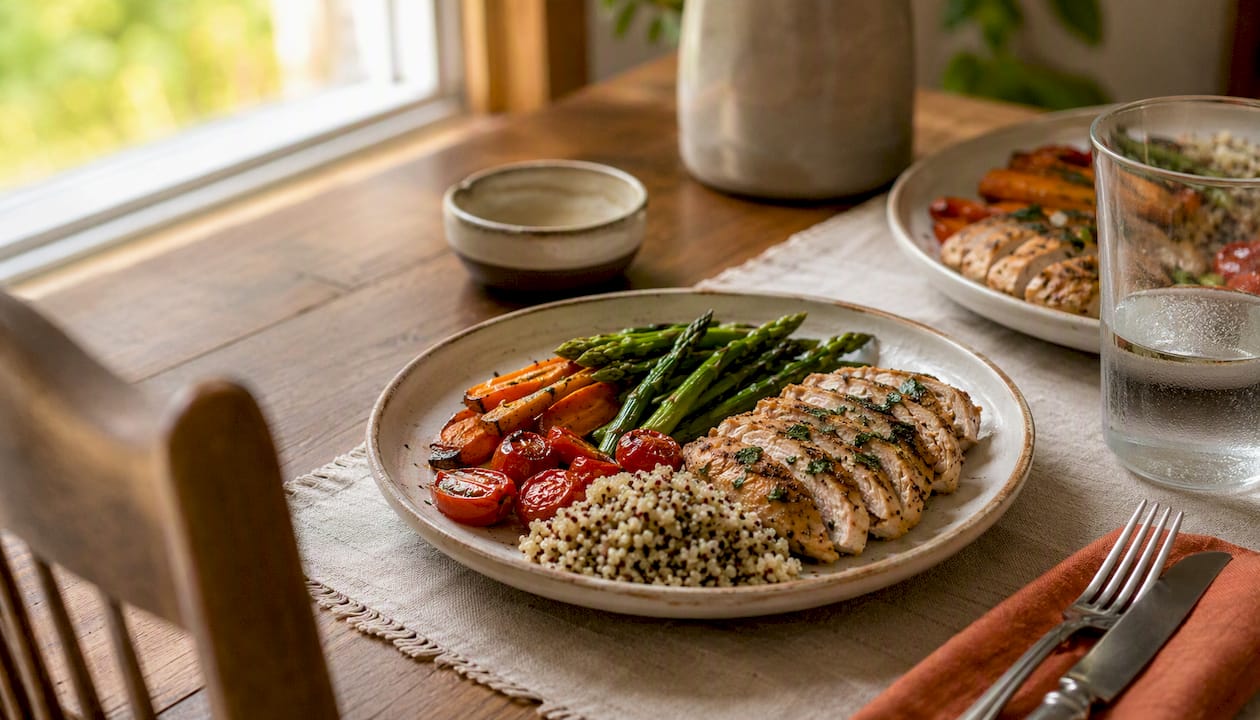
Satisfying dinners under 500 calories are not just possible — they’re the backbone of most successful weight-loss plans. The key is building each plate around protein, fiber, and volume rather than simply shrinking portions. A grilled chicken and roasted vegetable bowl lands around 380 calories and keeps you full for hours. A lentil and spinach soup with a slice of whole-grain bread sits near 350 calories and delivers more fiber than most people eat all day. A 30-minute shrimp stir-fry over cauliflower rice comes in under 320 calories with 28 grams of protein. These aren’t diet food — they’re real dinners.
Most calorie-deficit plans target dinners in the 350–500 kcal range, which leaves room for breakfast, lunch, and snacks within a 1,500-calorie daily framework. That said, your ideal dinner calorie target depends on your total daily energy expenditure (TDEE) — someone burning 2,800 calories a day needs a different setup than someone burning 1,900.
- Lean-protein option: Baked lemon herb chicken thigh (skinless) with steamed broccoli and a small sweet potato — ~420 kcal, 35g protein
- Plant-forward option: Black bean and roasted pepper tacos on corn tortillas with salsa and lime — ~370 kcal, 16g protein, 10g fiber
- 30-minute option: Garlic shrimp stir-fry over cauliflower rice with snap peas — ~310 kcal, 28g protein
Key Takeaways
Calorie-deficit dinners work best when they’re built around protein and fiber first — not around shrinking portions of whatever you’d normally eat.
| Point | Details |
|---|---|
| Target 350–500 kcal per dinner | This range fits most 1,200–1,500 kcal daily plans and leaves room for balanced meals throughout the day. |
| Lead with protein and fiber | Aim for 20–40g protein and 5–8g fiber per dinner to stay full and reduce evening snacking. |
| Batch-cook two meals per week | Roasting vegetables and cooking a double protein batch on Sunday cuts nightly prep to under 15 minutes. |
| Use swaps, not deprivation | Cauliflower rice, Greek yogurt sauces, and zucchini noodles cut 90–150 kcal per serving without sacrificing volume. |
| Dr-pro automates the hardest part | Spin for a recipe, get nutrition info and a shopping list, and skip the nightly decision entirely. |
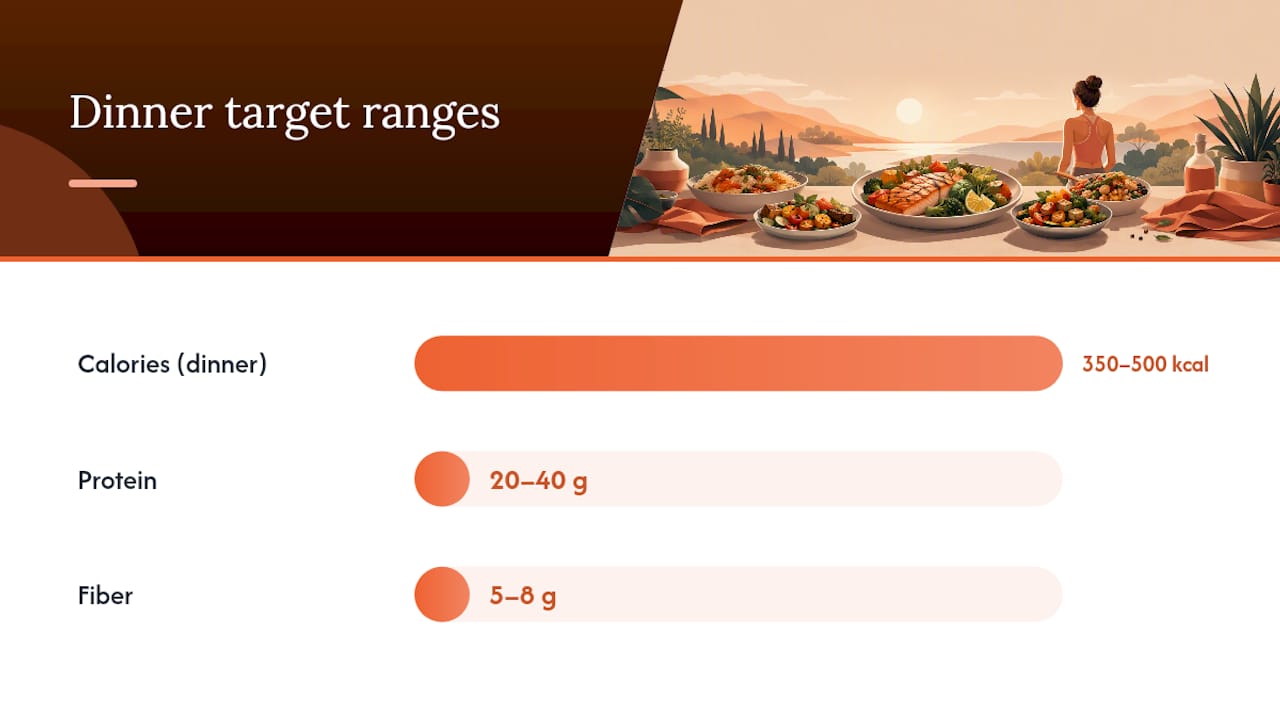
Table of Contents
- The Best Calorie Deficit Dinners, Organized by Category
- How to Build a Filling Calorie-Deficit Dinner
- A 7-Day Dinner Plan Aligned With a Calorie Deficit
- Fast Low-Calorie Dinners You Can Make in 30 Minutes
- Vegetarian and Vegan Dinners That Actually Keep You Full
- Meal-Prep Strategies and Simple Swaps to Cut Calories
- Dinner Roulette Pro Makes Calorie-Deficit Meal Planning Automatic
- Sources
The Best Calorie Deficit Dinners, Organized by Category
The 50+ low-calorie dinners cataloged by Good Housekeeping confirm what dietitians have said for years: lean protein plus vegetables is the formula that works. The recipes below are grouped so you can scan by what you’re in the mood for — or what’s in your fridge.
Weeknight 30-minute dinners
- Garlic shrimp stir-fry over cauliflower rice with snap peas and ginger soy sauce — ~310 kcal, 28g protein
- Turkey taco lettuce wraps with black beans, salsa, and avocado — ~340 kcal, 30g protein
- Lemon-pepper tilapia with steamed green beans and quinoa — ~360 kcal, 32g protein
- Chicken and vegetable fried rice (using cauliflower rice, egg whites, and frozen veg) — ~330 kcal, 29g protein
- Zucchini noodles with turkey Bolognese — ~350 kcal, 31g protein
- Egg white veggie scramble with whole-grain toast and sliced tomato — ~290 kcal, 24g protein
- Spiced chickpea and spinach sauté with a poached egg — ~320 kcal, 18g protein
Sheet-pan one-pan dinners
- Sheet-pan lemon herb chicken thighs with asparagus and cherry tomatoes — ~420 kcal, 36g protein
- Sheet-pan salmon and broccoli with a drizzle of sesame oil and garlic — ~390 kcal, 34g protein
- Sheet-pan turkey meatballs with zucchini and marinara — ~380 kcal, 33g protein
- Sheet-pan harissa shrimp with cauliflower and red onion — ~300 kcal, 27g protein
- Sheet-pan sausage and peppers (chicken sausage, bell peppers, onion) — ~370 kcal, 28g protein
Bowl and salad dinners
- Greek chicken bowl with cucumber, tomato, red onion, tzatziki, and brown rice — ~430 kcal, 35g protein
- Tuna Niçoise salad with green beans, egg, olives, and Dijon vinaigrette — ~380 kcal, 30g protein
- Burrito bowl with ground turkey, black beans, salsa, and romaine — ~400 kcal, 34g protein
- Asian sesame tofu bowl with edamame, shredded cabbage, and brown rice — ~370 kcal, 22g protein
- Salmon poke bowl with cucumber, avocado, and cauliflower rice — ~410 kcal, 32g protein
- Farro and roasted vegetable bowl with feta and lemon tahini — ~390 kcal, 14g protein, 9g fiber
Soups and stews
- Lentil and spinach soup with cumin and lemon — ~340 kcal, 18g protein, 12g fiber
- White bean and kale soup with turkey sausage — ~360 kcal, 24g protein
- Chicken and vegetable minestrone — ~310 kcal, 26g protein
- Black bean soup with lime and cilantro — ~290 kcal, 15g protein, 11g fiber
- Tomato basil soup with a side of whole-grain crackers — ~270 kcal, 8g protein
- Spicy turkey chili with kidney beans and diced tomatoes — ~380 kcal, 32g protein
Seafood dinners
- Baked cod with herb crust and roasted asparagus — ~320 kcal, 33g protein
- Steamed chili salmon with bok choy and brown rice — ~410 kcal, 36g protein
- Shrimp and vegetable skewers with tzatziki — ~290 kcal, 28g protein
- Tuna-stuffed bell peppers with quinoa and herbs — ~350 kcal, 30g protein
- Miso-glazed halibut with steamed edamame and cucumber salad — ~370 kcal, 35g protein
High-protein dinners under 400 kcal
- Steamed chili chicken — a standout example of protein efficiency: approximately 39g protein for under 300 calories, making it one of the leanest dinners you can build
- Turkey-stuffed zucchini boats with marinara and a sprinkle of parmesan — ~360 kcal, 34g protein
- Egg white frittata with mushrooms, spinach, and feta — ~280 kcal, 26g protein
- Baked chicken breast with roasted Brussels sprouts and a small baked potato — ~390 kcal, 38g protein
- Greek yogurt-marinated grilled chicken with tabbouleh — ~380 kcal, 37g protein
Vegetarian and plant-based
- Lentil dal with cauliflower and whole-grain naan (half piece) — ~380 kcal, 18g protein, 13g fiber
- Black bean enchiladas (corn tortillas, light cheese, salsa verde) — ~390 kcal, 17g protein
- Stuffed portobello mushrooms with quinoa, sun-dried tomatoes, and goat cheese — ~340 kcal, 16g protein
- Tofu and vegetable curry with cauliflower rice — ~350 kcal, 20g protein
- Chickpea shakshuka with whole-grain pita — ~360 kcal, 19g protein, 10g fiber
- Edamame and brown rice stir-fry with tamari and sesame — ~330 kcal, 18g protein
How to Build a Filling Calorie-Deficit Dinner
The formula is straightforward: prioritize protein and fiber, load up on non-starchy vegetables for volume, keep healthy fats moderate, and treat whole grains or starchy vegetables as a supporting player rather than the centerpiece.
Protein and fiber targets
Aim for a moderate to high amount of protein per dinner and include a reasonable amount of fiber. High-protein, high-fiber dinners consistently outperform low-protein meals for satiety — the combination slows gastric emptying, blunts blood sugar spikes, and reduces the urge to snack an hour after dinner. Dietitians recommend hitting at least 15g of protein and 6g of fiber per serving as a baseline for weight-loss dinners. For a macro-focused approach, tracking these two numbers matters more than obsessing over total calories alone.
Portion control without a food scale
The plate method works well for most people: fill half your plate with non-starchy vegetables (broccoli, zucchini, leafy greens, peppers), one quarter with lean protein, and one quarter with a whole grain or starchy vegetable. A palm-sized portion of cooked chicken is roughly 3–4 oz and lands around 140–180 calories. A cupped handful of cooked brown rice is about half a cup, or 110 calories. These visual cues aren’t perfect, but they’re close enough for consistent results without weighing every gram.
Flavor without the calories
Fresh herbs, citrus zest, vinegar, and spice blends add enormous flavor for essentially zero calories. A tablespoon of lemon juice is 4 calories. A teaspoon of smoked paprika is 6 calories. Swap butter-based sauces for a hit of miso paste thinned with rice vinegar, or use a Greek yogurt base instead of sour cream for creamy textures. Dietitian-backed recipes consistently use these swaps to keep dinners under 500 calories while delivering real flavor.
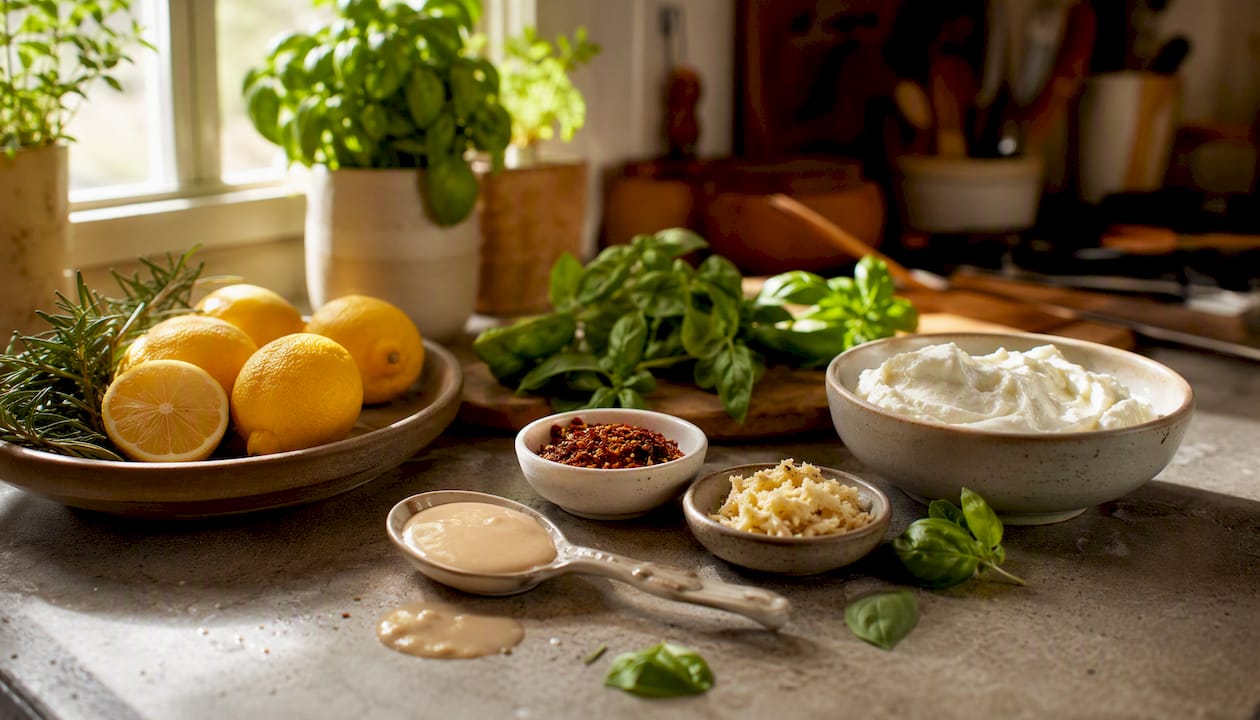
Pro Tip: When cooking lean chicken breast or fish, use gentle heat — a covered pan on medium-low or a 375°F oven rather than high-heat searing. High heat drives out moisture fast, leaving protein dry and less satisfying. Juicy, well-seasoned protein keeps you fuller longer and makes the meal feel more substantial.
One note: per-meal targets vary by individual. Consult a registered dietitian for personalized calorie and macro recommendations before making significant dietary changes.
A 7-Day Dinner Plan Aligned With a Calorie Deficit
This plan targets dinners in the 350–500 kcal range as part of a roughly 1,200–1,500 kcal daily framework, consistent with dietitian-designed calorie-deficit meal plans that use a 500–750 calorie daily deficit for gradual weight loss. Adjust portion sizes or add a side salad to increase calories when needed.
| Day | Dinner | Approx. Calories | Swap or Add-On |
|---|---|---|---|
| Monday | Garlic shrimp stir-fry over cauliflower rice | 310 kcal | Add ½ cup brown rice for +110 kcal |
| Tuesday | Sheet-pan lemon herb chicken with asparagus | 420 kcal | Swap chicken thigh for breast to save ~40 kcal |
| Wednesday | Lentil and spinach soup + whole-grain roll | 390 kcal | Skip the roll to save ~80 kcal |
| Thursday | Greek chicken bowl with brown rice and tzatziki | 430 kcal | Use cauliflower rice to save ~90 kcal |
| Friday | Baked cod with herb crust and roasted asparagus | 320 kcal | Add a side of quinoa for +120 kcal |
| Saturday | Spicy turkey chili with kidney beans | 380 kcal | Top with avocado for +80 kcal |
| Sunday | Tofu and vegetable curry over cauliflower rice | 350 kcal | Add ½ cup chickpeas for +100 kcal |
Weekly dinner total: approximately 2,600 kcal across 7 dinners, averaging 371 kcal per meal.
Batch-cooking and grocery tips
- Cook a double batch of lentil soup on Wednesday — it reheats perfectly for Thursday lunch.
- Roast a large tray of mixed vegetables (broccoli, zucchini, peppers) on Sunday to use across three dinners.
- Keep frozen shrimp, canned beans, and pre-cooked brown rice pouches on hand for nights when fresh prep isn’t realistic.
- Label portioned containers with the meal name and calorie count so there’s no guesswork mid-week.
A meal planner guide can help you map these dinners to a weekly calendar and auto-generate the shopping list so you’re not rebuilding it from scratch every Sunday.
Fast Low-Calorie Dinners You Can Make in 30 Minutes
Speed and low calories are not mutually exclusive. Lean proteins like shrimp, tilapia, and chicken breast cook in under 15 minutes. Frozen vegetables are nutritionally comparable to fresh and cut prep time in half. Canned beans and pre-cooked grain pouches mean a high-fiber base is ready in two minutes. Many 30-minute low-calorie recipes come in well under 350 kcal per serving, making them a practical default for busy weeknights rather than a compromise.
- Garlic shrimp with zucchini noodles — 20 min, ~280 kcal
- Chicken and vegetable stir-fry with tamari and sesame oil — 25 min, ~330 kcal
- Tuna-stuffed avocado halves with cherry tomatoes and lemon — 10 min, ~310 kcal
- Turkey taco lettuce wraps with black beans and salsa — 20 min, ~340 kcal
- Egg white veggie scramble with whole-grain toast — 15 min, ~290 kcal
- Miso soup with tofu, edamame, and brown rice — 20 min, ~300 kcal
- Lemon-pepper tilapia with steamed green beans — 20 min, ~320 kcal
- Spiced chickpea sauté with spinach and a poached egg — 20 min, ~320 kcal
- Sheet-pan harissa shrimp with cauliflower — 25 min, ~300 kcal
- Black bean and corn quesadilla (whole-grain tortilla, light cheese) — 15 min, ~350 kcal
A quick weeknight meal planner can pair these recipes with a shopping list so the ingredients are already waiting when you get home.
Pantry shortcuts that make 30-minute dinners reliable: canned chickpeas and black beans (drain and rinse), frozen edamame, pre-cooked brown rice or farro pouches, low-sodium canned tomatoes, and a go-to spice blend (cumin, smoked paprika, garlic powder, and chili flakes) that works across chicken, fish, and vegetables without adding meaningful calories.
Vegetarian and Vegan Dinners That Actually Keep You Full
Plant-based dinners work well in a calorie deficit when they combine legumes, whole grains, and fiber-rich vegetables — not when they rely on refined carbs or calorie-dense oils to compensate for missing meat. The protein gap is real but manageable: lentils deliver 18g of protein per cooked cup, edamame hits 17g per cup, and tempeh reaches 20g per 100g serving.
- Lentil dal with cauliflower and whole-grain naan — ~380 kcal, 18g protein, 13g fiber
- Chickpea shakshuka with whole-grain pita — ~360 kcal, 19g protein
- Tofu and vegetable curry over cauliflower rice — ~350 kcal, 20g protein
- Black bean enchiladas with corn tortillas and salsa verde — ~390 kcal, 17g protein
- Edamame and brown rice stir-fry with tamari and sesame — ~330 kcal, 18g protein
- Stuffed portobello mushrooms with quinoa and goat cheese — ~340 kcal, 16g protein
- Tempeh and vegetable stir-fry with ginger soy glaze — ~360 kcal, 22g protein
- Spiced lentil and sweet potato soup — ~310 kcal, 14g protein, 11g fiber
- Farro bowl with roasted beets, arugula, and walnuts — ~370 kcal, 12g protein, 8g fiber
For flex vegetarians, stirring a few tablespoons of plain Greek yogurt into a curry or soup adds 8–10g of protein for roughly 50 calories. For fully plant-based plans, a quality protein powder for weight loss blended into a post-dinner smoothie can close the protein gap on lighter dinner nights.
Texture matters more than most people realize. Roasting chickpeas until crispy, pan-frying tempeh until golden, or charring vegetables under a broiler creates the kind of satisfying bite that makes plant-based dinners feel substantial rather than sparse.
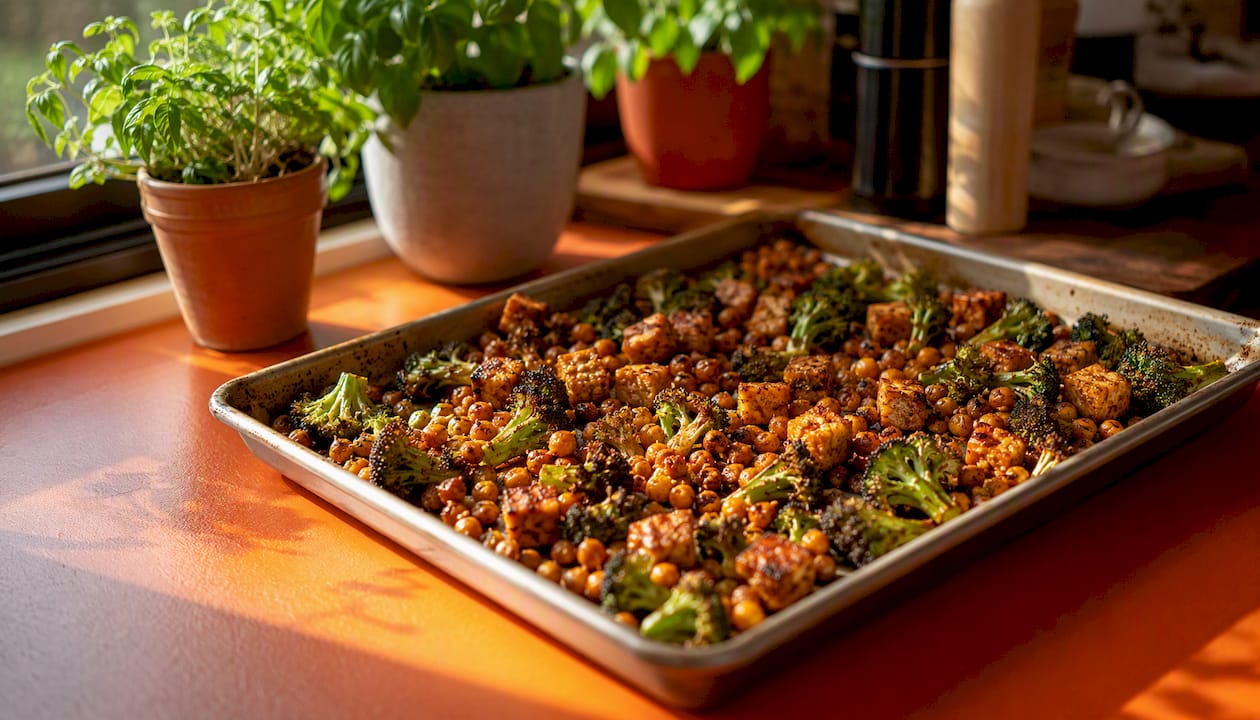
Pro Tip: Combine two plant proteins at dinner — lentils with quinoa, or black beans with brown rice — to cover all essential amino acids in one meal. Neither source alone is complete; together, they match the amino acid profile of animal protein.
Meal-Prep Strategies and Simple Swaps to Cut Calories
Planning ahead and making a handful of smart ingredient swaps cuts both calories and the nightly decision of what to cook. The two together are what separate people who stick to a calorie-deficit plan from those who abandon it by Wednesday.
Weekly meal-prep checklist
- Sunday: plan and shop. Choose 4–5 dinners for the week, write the ingredient list, and order or shop once. A meal planner for dietary restrictions can filter recipes by allergy or preference automatically.
- Sunday evening: batch-roast vegetables. One large sheet pan of mixed vegetables (broccoli, peppers, zucchini, onion) at 400°F for 25 minutes covers three dinners.
- Monday: cook a double protein batch. Bake or poach extra chicken breast or cook a large pot of lentils. Portion into containers labeled with calories.
- Midweek: refresh with a new protein. Swap in fish or shrimp mid-week to prevent flavor fatigue without extra prep time.
- Friday: use up remaining produce. A stir-fry or frittata is the fastest way to clear the fridge before the weekend shop.
Calorie-cutting swap checklist
- Mashed potato → cauliflower mash (saves ~120 kcal per cup)
- Sour cream → plain Greek yogurt (saves ~60 kcal per 2 tablespoons)
- Regular pasta → zucchini noodles or hearts of palm pasta (saves ~150 kcal per serving)
- Coconut milk (full-fat) → light coconut milk (saves ~100 kcal per half cup)
- Butter-based sauce → miso and rice vinegar glaze (saves ~80 kcal per tablespoon)
- White rice → cauliflower rice or a half-and-half blend (saves ~90–110 kcal per cup)
- Breadcrumbs → crushed high-fiber cereal or almond flour (saves ~40 kcal per serving)
Pro Tip: Use Dr-pro’s recipe spin feature to auto-generate a dinner idea based on what’s already in your fridge, then export the shopping list for anything missing. It takes about 90 seconds and removes the “I don’t know what to make” moment that sends most people to takeout.
How calorie estimates were calculated
All per-serving calorie figures in this article were estimated using the USDA FoodData Central database as the primary reference, with ingredient-level aggregation for each recipe. Actual values will vary based on brand, exact portion weight, cooking method, and ingredient substitutions — treat every figure as a reliable estimate rather than a laboratory measurement.
Where recipes reference a specific published source (EatingWell, Prevention, Good Housekeeping, Taste of Home), the calorie figures align with those publications’ own nutrition panels. Recipes without a named source were calculated from standard USDA ingredient weights for a single adult serving.
A note on very low-calorie targets: Plans below 1,200 kcal per day carry a higher risk of nutrient deficiency and are harder to sustain. A 500-calorie daily deficit — not a 500-calorie daily total — is the evidence-backed starting point for most adults. If you’re unsure where your target should sit, a registered dietitian can calculate your TDEE and set a deficit that fits your health history.
What I’ve learned about dinner and calorie deficits
Most people approach calorie-deficit dinners as a subtraction problem: take a normal meal and remove things until the number is small enough. That framing almost always fails. You end up with a plate that’s technically low-calorie but genuinely unsatisfying, and by 9 PM you’ve eaten the calories back in snacks.
The better frame is addition: start with a large volume of non-starchy vegetables, add a substantial protein source, then decide what — if anything — to add for carbohydrates or fat. The plate fills up before the calories do. That’s not a trick; it’s how sustainable weight loss actually works in practice.
The other thing most articles skip: boredom is a bigger threat to a calorie-deficit plan than hunger. Eating the same three dinners on rotation for three weeks is what breaks adherence, not the calorie target itself. Running a weekly “dinner roulette” — picking one new recipe at random from a curated list — keeps the rotation fresh without requiring 45 minutes of recipe research every Sunday.
Dinner Roulette Pro Makes Calorie-Deficit Meal Planning Automatic
Knowing which dinners to cook is one thing. Actually having the right ingredients ready on a Tuesday night when you’re tired is another problem entirely. Dr-pro solves the second one.
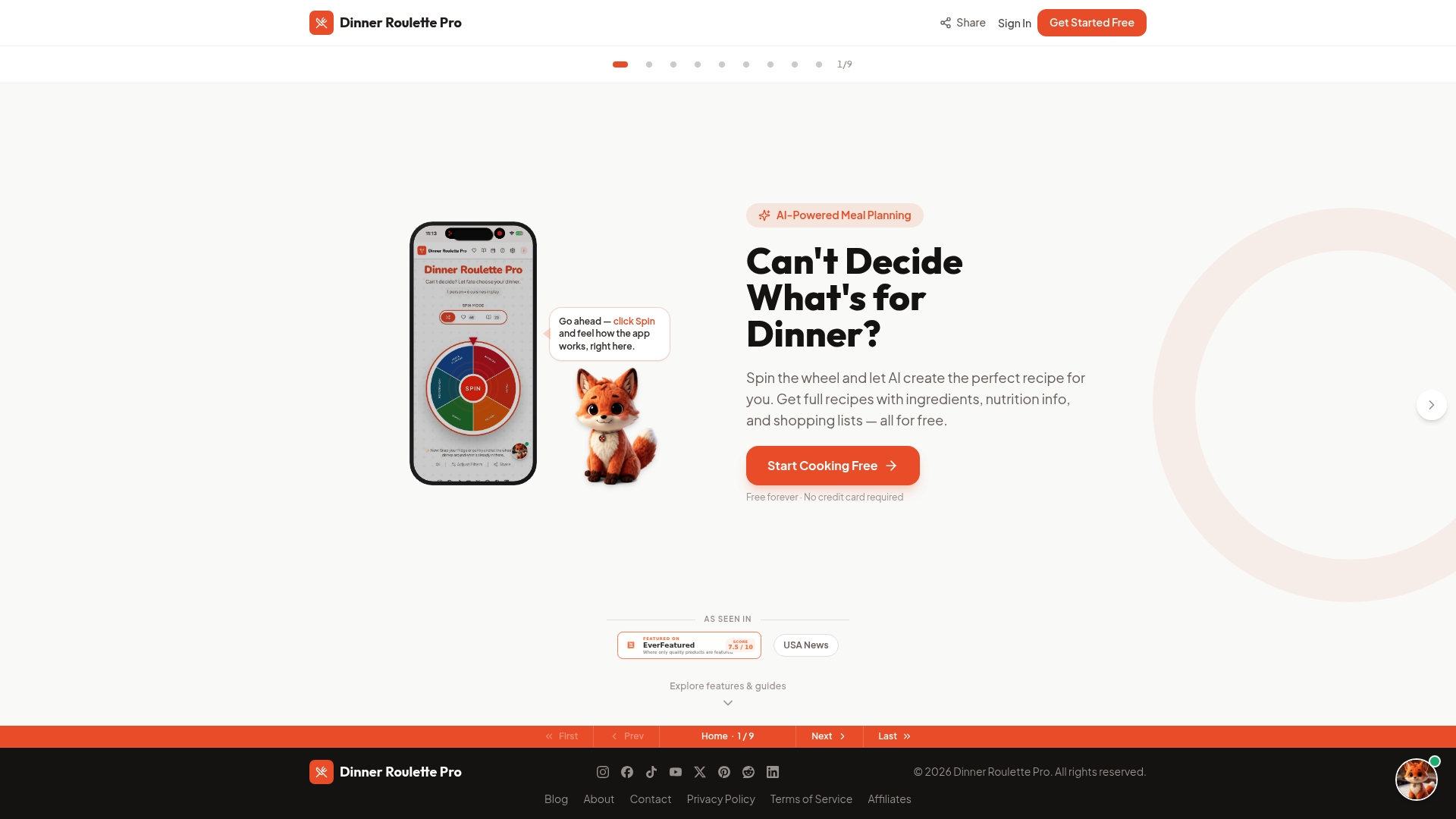
Spin the wheel, set your calorie target and dietary preferences, and Dr-pro generates a complete dinner recipe with full nutrition info — protein, fiber, total calories — plus a ready-to-export shopping list. The recipe organization guide shows you how to save your favorite low-calorie dinners into a personal rotation so the app can resurface them automatically. SafeMode handles the nights when you have zero energy for decisions. One-tap grocery ordering through Walmart or Instacart means the ingredients arrive without a separate trip.
The free core product covers recipe generation and basic planning. Premium unlocks calorie and macro tracking, dietary restriction filters, allergy checks, and the full meal planning calendar. Try it free at Dr-pro.
Sources
- 10+ Easy High-Protein, High-Fiber Dinners for Weight Loss — EatingWell
- A 1,500-Calorie Diet: Food Lists, Meal Plan and More — Healthline
- Healthy dinner recipes for weight loss — Prevention
- 50 Easy and Filling Low-Calorie Dinners Packed With Flavor — Good Housekeeping
This article is general information, not a substitute for advice from a qualified doctor. Consult a qualified healthcare professional about your own circumstances before acting on anything here.