Heart Healthy Dinners: Quick, Low-Sodium Weeknight Meals | Dinner Roulette Pro
August 22, 2026
Heart Healthy Dinners: Quick, Low-Sodium Weeknight Meals
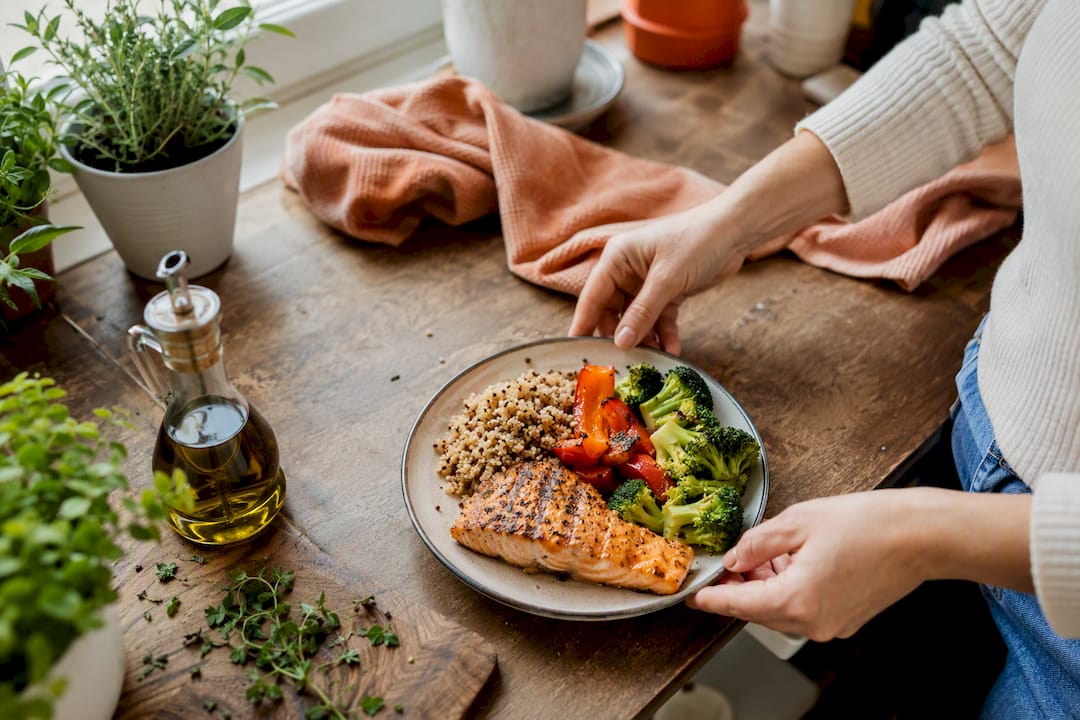
A heart-healthy dinner fills half your plate with vegetables, adds a serving of whole grains, includes lean protein, and uses a modest amount of unsaturated fat instead of butter or fatty cuts of meat. The DASH eating plan sets daily sodium targets, which correspond to moderate amounts per dinner when spread evenly across meals. Saturated fat should stay low, generally under 6 percent of daily calories from that source alone.
Three rules cover most of it:
- Cook at home as often as you can. Restaurant and packaged food account for most of the excess sodium in a typical American diet.
- Build meals around whole foods, not processed shortcuts, so fiber and nutrients come standard.
- Swap saturated fat for unsaturated fat: olive oil instead of butter, salmon instead of ribeye, a handful of walnuts instead of chips.
Key Takeaways
A heart-healthy dinner keeps sodium near 500 to 700 mg per serving, limits saturated fat, and builds the plate around vegetables, whole grains, and lean protein or legumes.
| Point | Details |
|---|---|
| Follow the plate formula | Fill half the plate with vegetables, a quarter with whole grains, and a quarter with lean protein. |
| Watch daily sodium targets | Aim for 2,300 mg daily, or 1,500 mg for a bigger blood pressure benefit, per NHLBI guidance. |
| Rinse canned beans and use no-salt tomatoes | This single habit cuts a meaningful share of hidden sodium from weeknight meals. |
| Batch-cook grains and proteins | Prep once, then mix and match across three or four dinner templates during the week. |
| Prioritize weekly consistency | Average sodium and saturated fat across the week instead of judging any single dinner. |
Table of Contents
- 10 Heart-Healthy Dinner Ideas You Can Make Tonight
- How to Build a Heart-Healthy Dinner at Home
- Pantry Staples and Swaps That Make This Easier
- Meal-Planning Habits That Keep Dinner Varied
- Fitting Heart-Healthy Dinners Into Your Whole Day
- Ordering Heart-Healthy Food When You’re Not Cooking
- Editorial Perspective on Building a Sustainable Heart-Healthy Rotation
- Frequently Asked Questions
- Sources
10 Heart-Healthy Dinner Ideas You Can Make Tonight
You don’t need a new cookbook to eat better for your heart. You need a short list of reliable dinners that come together fast and don’t rely on a salt shaker for flavor. EatingWell’s roundup of quick dinners shows that plenty of heart-friendly meals come together in 25 to 30 minutes, and the ten below follow that same logic.
- Baked or grilled salmon with roasted broccoli. Salmon delivers omega-3 fats that support healthy blood vessels. Skip the store marinade and use lemon, garlic, and black pepper instead. About 20 minutes, mostly hands-off.
- Sheet-pan chicken and vegetables. Toss skinless chicken thighs with bell peppers, zucchini, and olive oil on one tray. Use dried herbs instead of a seasoning packet, which usually hides a lot of sodium. Around 30 minutes.
- Lentil stew or chili. Lentils bring fiber and plant protein without any saturated fat. Use no-salt-added canned tomatoes and season with cumin and smoked paprika. 25 minutes on the stovetop.
- Quinoa bowl with roasted vegetables and chickpeas. Quinoa is a complete protein and a whole grain in one. Rinse canned chickpeas to cut their sodium by close to half. 30 minutes.
- Whole-wheat pasta with tomato, spinach, and white beans. The beans add fiber and protein so you need less meat, or none at all. Use a low-sodium marinara or make a quick sauce from crushed tomatoes. 20 minutes.
- Fish tacos with cabbage slaw and avocado. White fish is lean, and avocado supplies the unsaturated fat that replaces sour cream. Use corn tortillas and a lime-yogurt sauce instead of a creamy dressing. 25 minutes.
- Tofu stir-fry with brown rice. Tofu is naturally low in saturated fat and takes on whatever flavor you cook it in. Swap regular soy sauce for low-sodium tamari to cut sodium significantly. 25 minutes if your rice is already cooked.
- Stuffed sweet potato with black beans and kale. Sweet potatoes bring fiber and beta-carotene; black beans round out the protein. Skip the cheese or use a small amount of a low-fat variety. 30 minutes, mostly oven time.
- Shrimp and zucchini noodles. Shrimp is lean and quick-cooking, and zucchini noodles cut refined carbs without sacrificing volume on the plate. Toss with olive oil, garlic, and red pepper flakes. 15 minutes.
- Mediterranean grain bowl with low-fat feta and olives. Farro or barley, cucumber, tomato, and a small amount of feta give you Mediterranean flavor with controlled sodium. Use a homemade lemon-oregano vinaigrette instead of bottled dressing. 20 minutes with pre-cooked grains.
Rotate these through a week and you rarely repeat the same flavor profile twice, which matters more than people admit when you’re trying to stick with a new way of eating.
How to Build a Heart-Healthy Dinner at Home
Start with the plate itself. Fill half of it with non-starchy vegetables, a quarter with a whole grain or starchy vegetable like sweet potato, and a quarter with lean protein. Finish with a thumb-sized portion of healthy fat, olive oil, avocado, or a small handful of nuts.
The numbers behind that formula come from NHLBI’s DASH guidance, which builds sample menus around either 2,300 mg or 1,500 mg of sodium per day. If you eat three meals plus a snack, that puts most dinners in the 500 to 700 mg sodium range, less if lunch ran high. DASH-aligned eating patterns have been shown to lower blood pressure by 5 to 13 mm Hg, which rivals what some blood pressure medications achieve.
Saturated fat is the other number to watch. Keep it to roughly 5 to 6 grams per meal if you’re targeting the low end of daily limits, and get your fat mostly from plants and fish instead of butter, cream, or fatty beef.
Reading labels catches the sneaky sources:
- Canned soups, broths, and sauces often carry 400 to 800 mg of sodium per serving before you’ve added anything else.
- “Reduced sodium” doesn’t mean low sodium. Check the actual milligram number, not just the claim on the front.
- Deli meats and shredded cheese are two of the biggest hidden contributors to a high-sodium dinner.
- Replace salt with acid (lemon, vinegar) and toasted spices (cumin, coriander) to keep food from tasting flat.
Pantry Staples and Swaps That Make This Easier
A well-stocked pantry does most of the heavy lifting on nights you don’t feel like thinking hard about dinner. The swap that matters most: rinse every can of beans before using it, which cuts a meaningful chunk of sodium immediately, and reach for no-salt-added canned tomatoes and low-sodium broth as your default, not the exception.
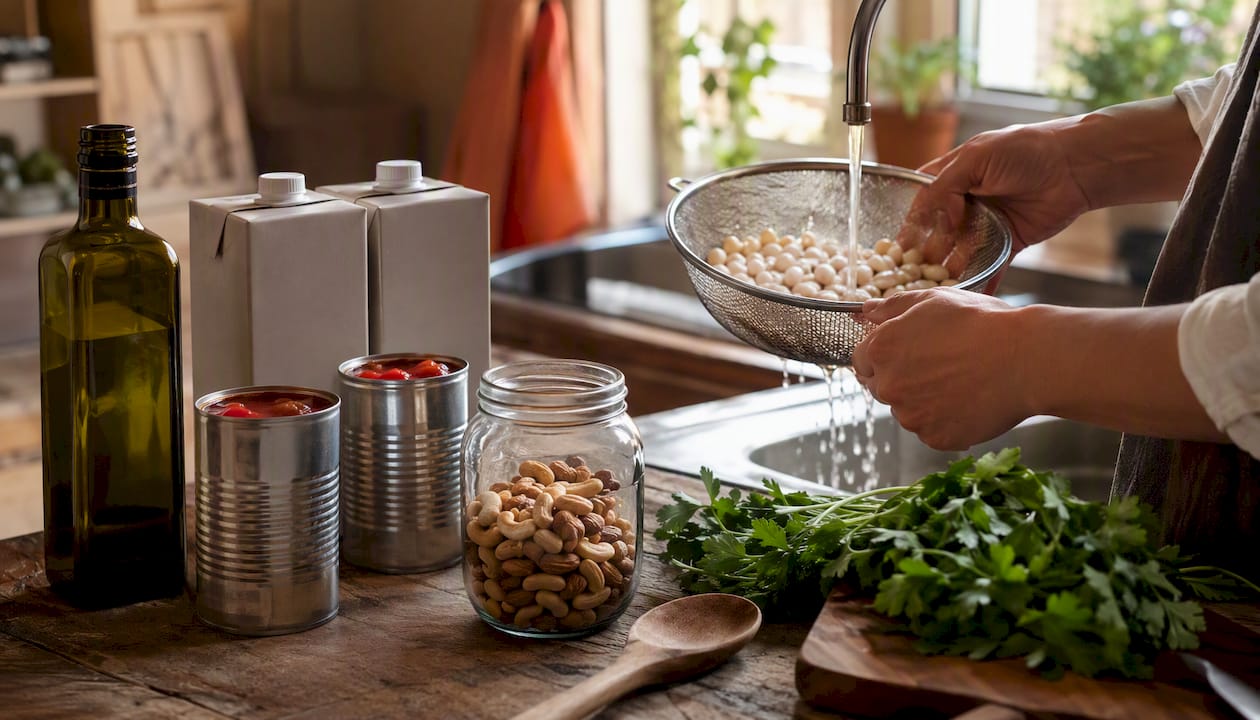
On the fat and protein side, keep extra-virgin olive oil, avocados, salmon or another fatty fish, skinless poultry, and a rotating legume (lentils, chickpeas, black beans) in regular circulation. These give you flexibility without pulling in saturated fat.
Stock these staples and you’re rarely more than 20 minutes from a decent dinner:
- Whole-grain pasta, quinoa, and brown rice for a fiber-rich base
- No-salt-added canned beans and tomatoes
- Extra-virgin olive oil for cooking and dressings
- Raw nuts (walnuts, almonds) for snacking and salad toppings, which cardiovascular dietitians consistently recommend
- Dried herbs and spices to replace salt-heavy seasoning blends
- Lemons and vinegar for quick, sodium-free flavor
- Low-sodium soy sauce or tamari
For deeper ingredient-swap ideas, this guide on choosing lower-sodium savory snacks covers substitutions that carry over well into dinner cooking too.
Pro Tip: Make your own vinaigrette in a jar, three parts olive oil to one part vinegar or lemon juice, plus mustard and herbs. It costs pennies, keeps for a week, and has a fraction of the sodium in most bottled dressings.
Meal-Planning Habits That Keep Dinner Varied
Batch-cooking components beats batch-cooking whole meals. Cook a big pot of grains, roast a full tray of vegetables, and grill extra chicken or salmon on a Sunday, then mix and match across three or four weeknight templates. Pre-cooking grains and chopping vegetables ahead of time makes it far easier to stay consistent on the nights you’re too tired to cook from scratch.
The simplest version of this is what you might call the roulette approach: pick one reliable protein, one pre-cooked grain, and one roasted or quick-sautéed vegetable, then combine them differently each night with a new sauce or spice blend. It removes the decision fatigue that derails most meal plans by week two.
Variety doesn’t have to mean new recipes every night. It can mean the same three building blocks, recombined enough ways that dinner never feels repetitive.
If manually planning combinations feels like a chore, an app like Dinner Roulette Pro can generate the pairings for you, complete with nutrition details and a shopping list, so the planning part takes seconds instead of twenty minutes.
- Batch-cook grains and proteins once, use them across three different dinners
- Build a rotating list of five to seven go-to combinations instead of hunting for new recipes weekly
- Keep a running shopping list tied to your pantry staples so restocking is automatic
For more on building a repeatable rotation, see this weekly dinner rotation guide.
Fitting Heart-Healthy Dinners Into Your Whole Day
Dinner is one meal in a daily pattern, and it doesn’t have to carry the entire nutritional load by itself. What matters more is your average sodium and saturated fat intake across the week, not whether one single dinner was flawless. If lunch ran salty, a lighter, lower-sodium dinner balances it out; if breakfast was light on fiber, a bean-and-vegetable dinner makes up ground.
This is why Mayo Clinic’s approach to sustainable eating emphasizes consistency over perfection: hitting your targets most days matters more than nailing every single meal. Trying to make every dinner “perfect” while ignoring breakfast and lunch usually backfires, because it turns eating into a stressful math problem instead of a habit.
The most sustainable approach adds nutrient-dense foods rather than obsessing over what to cut. Instead of just eliminating salt, add more vegetables, beans, and whole grains, and the sodium percentage of your overall diet drops naturally because those foods are crowding out the processed stuff. Think of dinner as your best opportunity in the day to correct course, not as a test you can fail.
Ordering Heart-Healthy Food When You’re Not Cooking
Eating out doesn’t have to derail a heart-healthy pattern, but restaurant meals are where most people take in a disproportionate share of their daily sodium and saturated fat, often without realizing it. A few habits make a real difference.
Ask for sauces and dressings on the side. Restaurant kitchens tend to be heavy-handed with both, and controlling the amount yourself can cut sodium and saturated fat substantially in a single meal. Choose grilled, baked, or steamed preparations over fried or breaded ones, and pick a dish built around vegetables, beans, or fish rather than a cream-based pasta or a large cut of red meat.
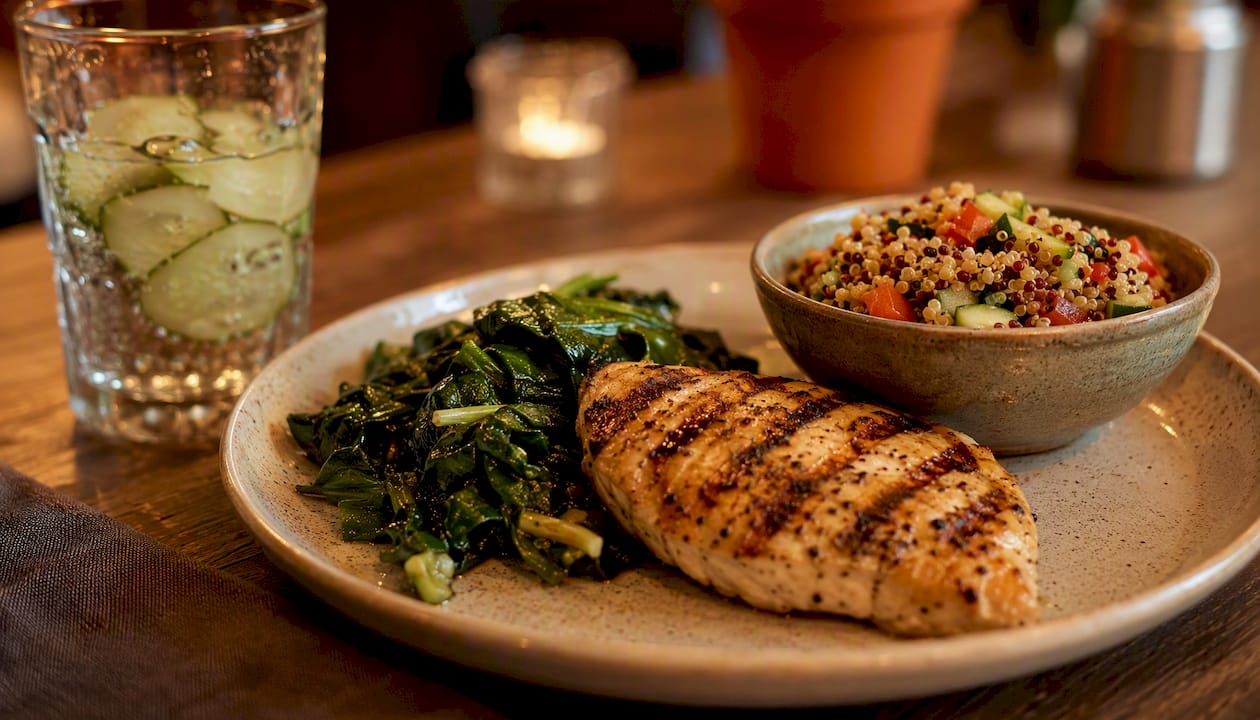
Watch for menu language that signals high sodium: “smothered,” “au jus,” “teriyaki,” and “cured” are usually red flags. Ordering a side salad or steamed vegetables instead of fries adds fiber back into the meal without any extra effort.
Portion size matters just as much as ingredients. Restaurant servings often run double a standard portion, so splitting an entrée or boxing up half before you start eating keeps both sodium and calories in check. Organizations like the American Heart Association maintain recipe collections specifically because home cooking gives you the most control, but a little strategy at a restaurant table gets you most of the way there too.
Editorial Perspective on Building a Sustainable Heart-Healthy Rotation
Most advice on this topic treats every dinner like it needs to be a showpiece: a new recipe, a new technique, a new list of ingredients to buy. That’s backward, and it’s probably why so many well-intentioned eating changes fall apart after a few weeks. The research here points somewhere simpler: a small rotation of reliable meals, built around the same handful of pantry staples, beats an ambitious recipe collection that gets used twice and abandoned.
The conventional wisdom oversells restriction, cut the salt, cut the fat, when the better lever is addition. Add more vegetables, more legumes, more whole grains, and the ratios shift in your favor without you white-knuckling your way through dinner. The swap that gets underrated the most is rinsing canned beans. It’s a five-second habit that meaningfully reduces sodium, and almost nobody does it.
If you take one thing from this, prioritize consistency over any single perfect meal. Average your week, not your Tuesday.
Frequently Asked Questions
What makes a dinner “heart healthy”? It’s low in sodium and saturated fat, and built around vegetables, whole grains, lean protein, and unsaturated fats like olive oil or fish, following the same principles behind the DASH eating plan.
How much sodium should be in a heart-healthy dinner? Roughly 500 to 700 mg per serving works for most people following NHLBI’s DASH sodium targets of 2,300 mg or 1,500 mg daily, spread across meals.
What snacks do cardiologists actually recommend? Raw walnuts and almonds show up consistently in cardiovascular dietitian recommendations because of their unsaturated fat content.
Can heart-healthy dinners be quick to make? Yes. Many recipes, salmon with roasted vegetables, shrimp with zucchini noodles, come together in 20 to 30 minutes, as EatingWell’s quick-dinner collections demonstrate.
Is meal planning necessary for eating heart-healthy? It helps significantly. Batch-cooking grains, proteins, and vegetables ahead of time, or using a meal planner to generate combinations automatically, removes the daily decision fatigue that derails good intentions.
What’s the easiest way to build a shopping list around these meals? Base it on the pantry staples above, whole grains, canned no-salt beans, olive oil, and a rotating protein, and consider a shopping list tool that turns your weekly rotation into a ready-made grocery list.
This article is general information, not a substitute for advice from a qualified doctor. Consult a qualified healthcare professional about your own circumstances before acting on anything here.
Sources
- A week with the DASH eating plan | NHLBI
- 30+ Heart-Healthy Dinners You Can Make in 25 Minutes | EatingWell