Low Sodium Dinners That Are Actually Easy to Make | Dinner Roulette Pro
August 28, 2026
Low Sodium Dinners That Are Actually Easy to Make
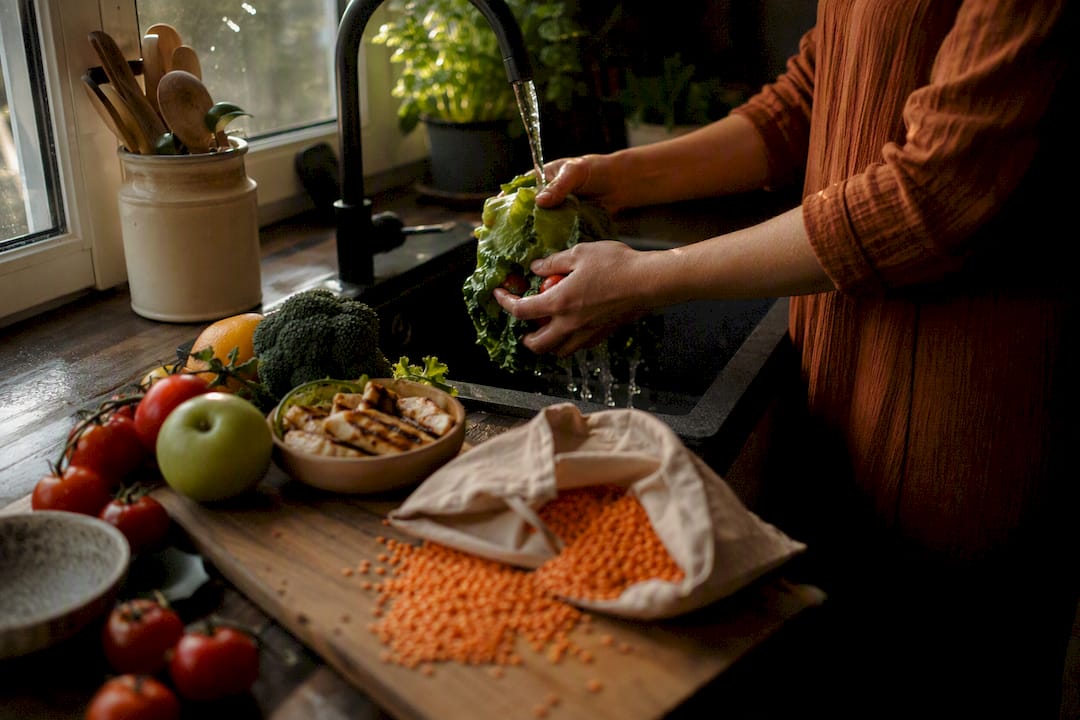
A low sodium dinner keeps sodium at roughly 600 mg or less per serving, well under the FDA’s daily guidance of under 2,300 mg, or 1,500 mg for anyone managing hypertension or heart disease. You don’t need bland food or a pantry overhaul to hit that number. Fresh proteins, herbs, citrus, and a few smart swaps get you there, and the recipes below prove it.
TL;DR:
- Using fresh, unprocessed ingredients and herbs can keep dinner sodium levels below 600 mg per serving without sacrificing flavor.
- Replacing store-bought broth, seasoned meats, and pre-made sauces with no-salt-added or rinsed alternatives reduces sodium intake significantly.
- Incorporating common spices, citrus, and vinegar instead of salt enhances flavor while staying within low sodium limits.
- Planning a weekly low-sodium menu with easy, minimal-prep recipes helps prevent reliance on salty takeout or processed meals.
- Tools like recipe generators and organized shopping lists can automate sodium tracking and streamline low-salt meal prep.
Table of Contents
- 15 Low Sodium Dinner Ideas You Can Cook Tonight
- How to Build a Low Sodium Dinner From Scratch
- A Simple 7-Day Low Sodium Dinner Plan
- What Meal Planning Actually Fixes About Sodium
- Let Dinner Roulette Pro Handle the Weekly Sodium Math
- Sources
15 Low Sodium Dinner Ideas You Can Cook Tonight
You don’t need a culinary degree to build meals that taste full and land under 600 mg of sodium. The trick is starting with fresh, unprocessed ingredients and letting acid, herbs, and spice do the work salt usually does.
- Lemon herb salmon with roasted asparagus. Fresh salmon has almost no natural sodium, so a squeeze of lemon and fresh dill carry the whole plate. Skip the seasoned butter and use olive oil instead.
- Sheet pan chicken with peppers and onions. Choose plain, unenhanced chicken breast rather than “enhanced” or “seasoned” cuts, which often hide injected sodium solutions. Roast with paprika and garlic powder.
- Garlic shrimp with zucchini noodles. Shrimp cooks in minutes, making this a strong pick for anyone who wants dinner on the table fast. Use fresh garlic instead of garlic salt.
- Red lentil curry. Lentils are naturally low in sodium, and curry powder plus coconut milk build deep flavor without a shaker in sight. This one reheats well for lunch the next day.
- Chickpea-stuffed bell peppers. Combine mashed chickpeas, brown rice, and cumin, then bake. One pan, minimal cleanup, and soft enough texture for anyone who finds chewing tougher foods difficult.
- Turkey and vegetable chili. Ground turkey, no-salt-added tomatoes, and a mix of dried beans (rinsed well) make a pot that freezes in portions for later.
- Pasta primavera with no-salt-added marinara. Pasta itself carries almost no sodium; the danger is salted cooking water and jarred sauce. Skip the salt in the pot and choose a no-salt-added sauce.
- Baked cod with tomato and basil. A simple foil packet with fresh tomato, basil, and a splash of white wine keeps this both easy and nearly hands-off.
- Vegetable stir-fry with low-sodium tamari. Standard soy sauce is a sodium bomb; the low-sodium version, used sparingly, keeps stir-fry night on the table.
- One-pan lemon garlic chicken thighs. Bone-in thighs stay moist with minimal effort, ideal for anyone who wants a soft, forgiving texture and just one pan to wash.
- Black bean and sweet potato tacos. Rinsed canned black beans, roasted sweet potato, and fresh lime replace the sodium-heavy taco seasoning packet entirely.
- Herb-roasted pork tenderloin. Rosemary, thyme, and a mustard rub give this lean cut real character without a salt crust.
- Vegetable and white bean soup. Built on no-salt-added broth, this soup is soft, warm, and easy to portion for smaller households.
- Eggplant Parmesan, lightened up. Use fresh mozzarella in moderation and a no-salt-added tomato sauce; roasting the eggplant instead of frying cuts both fat and sodium.
- Grilled portobello “steaks” with chimichurri. A parsley, garlic, and vinegar sauce delivers big flavor on a naturally low-sodium vegetable base.
Recipes 2, 5, 10, 13, and 15 are the easiest starting points if prep time or hand strength is a concern. Each one uses a single pan or pot, needs minimal chopping, and produces a soft enough texture to suit most diets. The EatingWell healthy aging collection leans on this same formula: fresh ingredients, big flavor, small effort.
How to Build a Low Sodium Dinner From Scratch

Reading labels is the fastest skill to learn. The FDA’s rule of thumb is simple: 5% Daily Value or less per serving counts as low sodium, and 20% DV or more counts as high, which translates to roughly 115 mg for a “low” claim. Once that number becomes second nature, grocery shopping gets a lot faster.
The bigger wins come from a handful of swaps you make once and repeat every week:
- Replace regular broth or stock with no-salt-added versions in soups, rice, and sauces.
- Choose canned beans and vegetables labeled “no salt added,” or rinse regular canned beans under running water before use.
- Build flavor with fresh herbs (basil, dill, rosemary, cilantro), citrus juice and zest, and vinegar instead of salt.
- Stock a spice cabinet with cumin, smoked paprika, garlic powder, onion powder, and chili powder, none of which carry sodium.
- Skip salting pasta water; a good sauce and a squeeze of lemon do more for flavor than salted water ever did.
- Buy fresh or plain frozen chicken, fish, and beef rather than “enhanced” cuts with sodium solutions listed on the label.
Pro Tip: Keep a small jar of homemade herb and spice blend by the stove. Mixing equal parts garlic powder, onion powder, smoked paprika, and black pepper gives you a one-scoop seasoning that replaces salt in almost any savory dish.
Fresh fruits, vegetables, dried legumes, and unprocessed lean proteins sit naturally at the low end of the sodium scale, while deli meats, pre-made sauces, and heavily processed foods sit at the high end. Shopping the perimeter of the store first, then filling in pantry basics, keeps the cart naturally low in sodium without much extra thought.
A Simple 7-Day Low Sodium Dinner Plan
Decision fatigue is often the real barrier to eating well, not a lack of good recipes. Having a template on the fridge removes the nightly “what now” moment entirely.
- Monday: Lemon herb salmon with roasted asparagus. Season with fresh dill, not seasoned salt.
- Tuesday: Turkey and vegetable chili. Rinse the canned beans first.
- Wednesday: Vegetable stir-fry with low-sodium tamari. Use it as a splash, not a pour.
- Thursday: Red lentil curry over rice. Build heat with curry powder, not bouillon cubes.
- Friday: Pasta primavera with no-salt-added marinara. Skip salting the pasta water.
- Saturday: Sheet pan chicken with peppers and onions. Choose plain, unenhanced chicken.
- Sunday: Vegetable and white bean soup. Use no-salt-added broth as the base.
For the week’s shopping staples, stock no-salt-added broth and canned tomatoes, dried or no-salt-added canned beans, fresh chicken and fish, a rotation of fresh herbs, lemons, garlic, and a basic spice set (cumin, paprika, chili powder). Variety across proteins and cooking methods matters as much as the sodium count. A week of soft textures and one-pan meals like this fits smaller households and older adults especially well, and a meal planning app built for one person can help scale these portions down without waste.
What Meal Planning Actually Fixes About Sodium
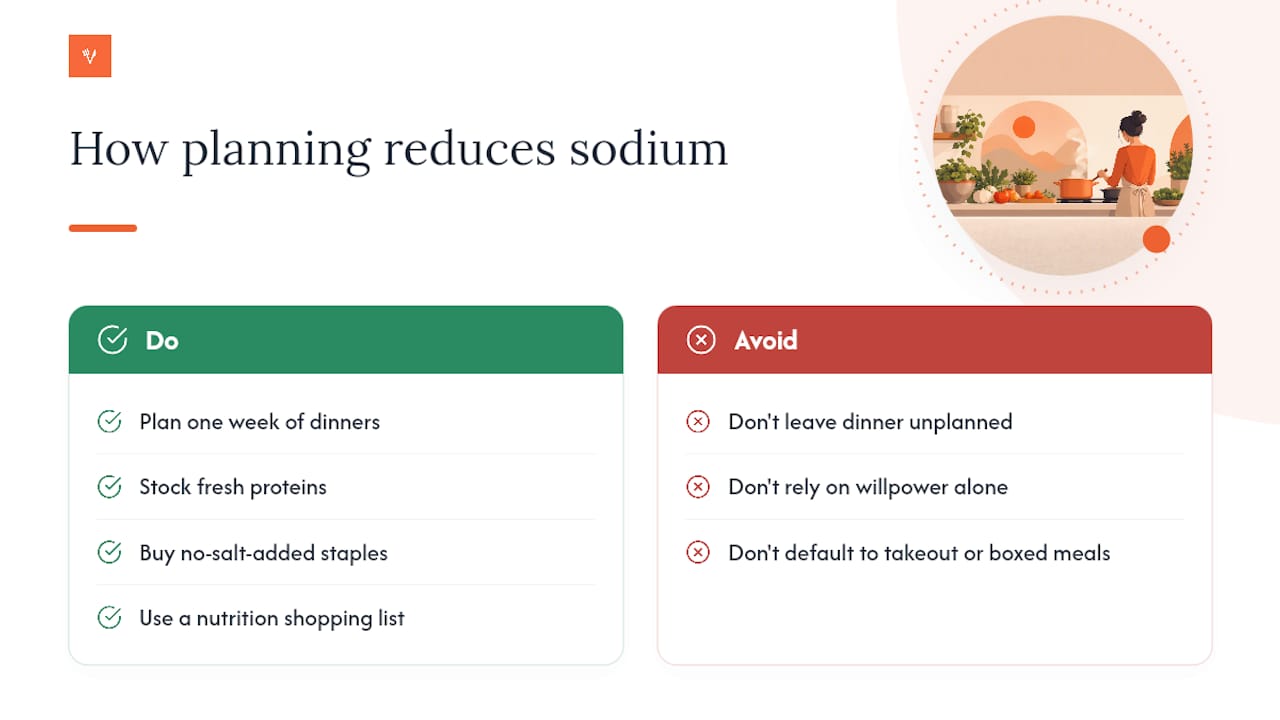
Most people don’t overeat sodium at dinner because they crave salt. They overeat it because 6:00 PM arrives, nothing is planned, and takeout or a boxed meal wins by default. Meal planning attacks that exact moment, not the salt shaker.
Once a week of dinners is decided in advance, with fresh proteins and no-salt-added staples already in the fridge, the pull toward a salty convenience meal mostly disappears. It’s not willpower. It’s just fewer decisions left to make on a tired Tuesday. Dinner Roulette Pro’s nutrition-focused planning approach and shopping list guidance both build on that same idea: reduce the daily decision, and the sodium numbers tend to take care of themselves.
— Jack
Let Dinner Roulette Pro Handle the Weekly Sodium Math
Building a low-sodium week by hand works, but it takes real effort to repeat every single week. Dinner Roulette Pro spins up fully generated recipes filtered for your dietary needs, including no-salt-added ingredient preferences, complete with nutrition info and a shopping list built around what you actually need.
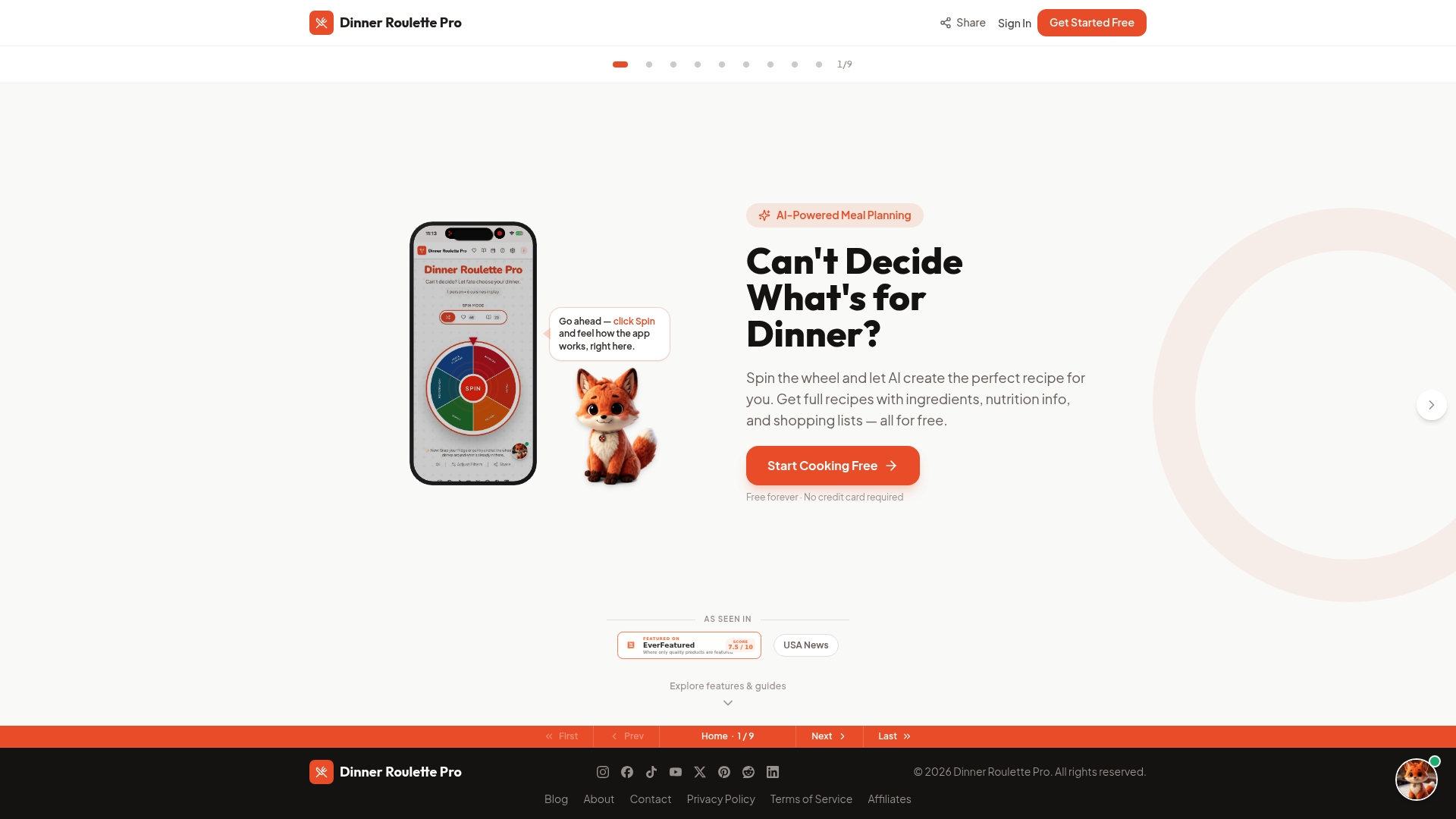
Each recipe comes with sodium and nutrition details already calculated, so there’s no guessing at dinner time. Pair that with the Shopping List Guide for building a no-salt-added pantry, or check the Nutrition Guide to see exactly how sodium per serving gets calculated. Spin the wheel, get your week of dinners, and generate a grocery list that already leans low sodium before you set foot in the store.
This article is general information, not a substitute for advice from a qualified doctor. Consult a qualified healthcare professional about your own circumstances before acting on anything here.
Sources
- Sodium in Your Diet | FDA
- Lower sodium foods shopping list | MyHealthfinder (Office of Disease Prevention and Health Promotion)
- Pasta and sodium (research/technical guidance)