Save Time and Money: Try a Ready 7 Day Vegan Meal Plan Free With Dinner Roulette Pro | Dinner Roulette Pro
September 19, 2026
Save Time and Money: Try a Ready 7 Day Vegan Meal Plan Free With Dinner Roulette Pro
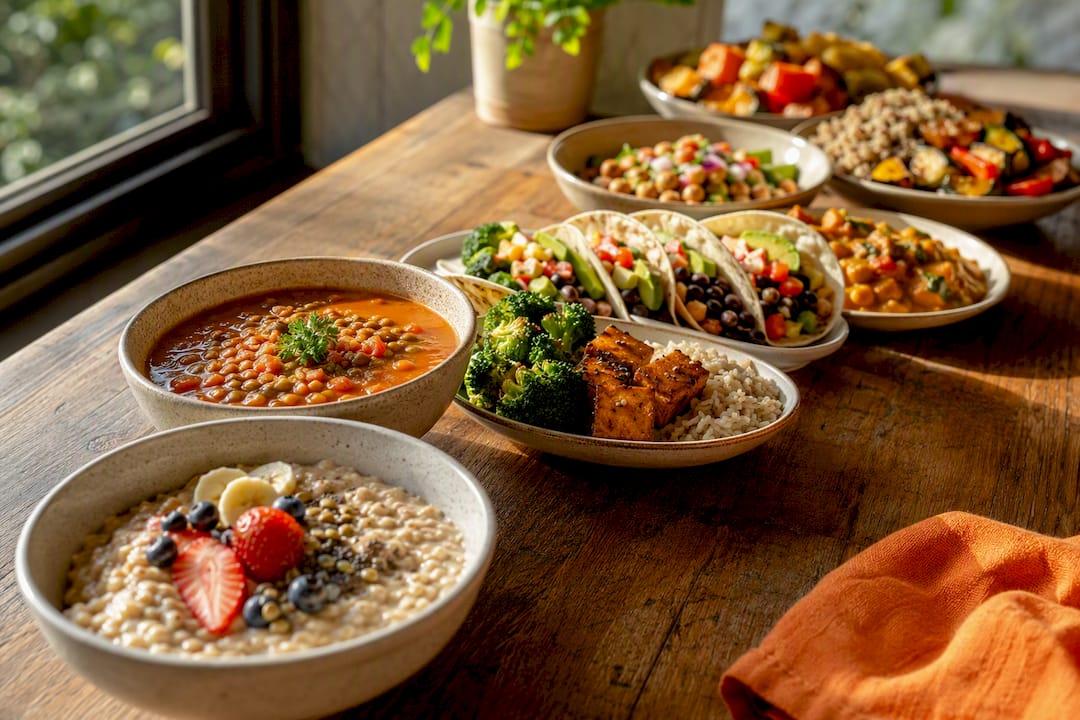
A vegan meal planner hands you a ready-made week of breakfasts, lunches, dinners, and snacks, plus a shopping list sorted by aisle and enough nutrient balancing that you’re not left guessing about protein or B12. Beginners, busy parents, and anyone watching their grocery bill benefit most because the hardest part of eating plant-based, deciding what to cook, is already solved. Start with a free planner or the free tier of a tool like Dinner Roulette Pro, then adjust portions as you go.
TL;DR:
- A vegan meal planner provides pre-made weekly menus with diverse, portion-controlled meals and a grouped shopping list to reduce waste and simplify shopping.
- The plan centers around high-protein staples like tofu, lentils, and edamame, with repetitions limited to prevent monotony and optimize ingredient use.
- Customization options include adjusting for calorie, protein, allergy, budget, and dietary restrictions, with tools that automatically scale portions and lock favorites.
- Key nutrients such as B12, iron, calcium, omega-3s, vitamin D, and zinc require deliberate planning, with pairing strategies like vitamin C-rich foods boosting absorption.
- Choosing a meal planning app with features like dynamic portion scaling, aisle grouping, allergy filtering, and grocery integration is essential for efficient and safe plant-based eating.
Table of Contents
- A Sample 7-Day Vegan Meal Plan You Can Copy Tonight
- How to Customize a Vegan Meal Planner for Your Goals
- What Nutrients Do Vegans Need to Track Each Week?
- What Should You Look for in a Vegan Meal Planning App?
- Why Dinner Roulette Pro Fits This Exact Problem
- A Week Is Enough to Tell If This Works for You
- Get Started With Dinner Roulette Pro Today
- Where to Go for More Vegan Meal Planning Help
- Sources
- FAQ
A Sample 7-Day Vegan Meal Plan You Can Copy Tonight
You don’t need a nutrition degree to eat well on a plant-based diet. You need a week that’s already been thought through, with real portions instead of vague suggestions like “add veggies.” Here’s a plan built around foods that show up more than once, so nothing goes bad in your fridge by Thursday.
Monday: Overnight oats with soy milk and berries; lentil soup (1.5 cups) with whole-grain toast; stir-fried tofu (6 oz) with broccoli and rice; snack: apple with 2 tbsp peanut butter.
Tuesday: Scrambled tofu with spinach and salsa; leftover lentil soup; black bean tacos with avocado; snack: roasted chickpeas.
Wednesday: Smoothie with banana, spinach, and pea protein; chickpea salad sandwich; pasta with white beans and marinara; snack: hummus and carrots.
Thursday: Peanut butter toast with banana; leftover pasta; tofu and vegetable curry over rice; snack: trail mix.
Friday: Tofu scramble again (batch-prepped Sunday); black bean and rice bowl; veggie and edamame stir-fry; snack: soy yogurt with granola.
Saturday: Pancakes made with flax egg; big salad with roasted chickpeas and tahini dressing; homemade veggie chili; snack: fruit and nuts.
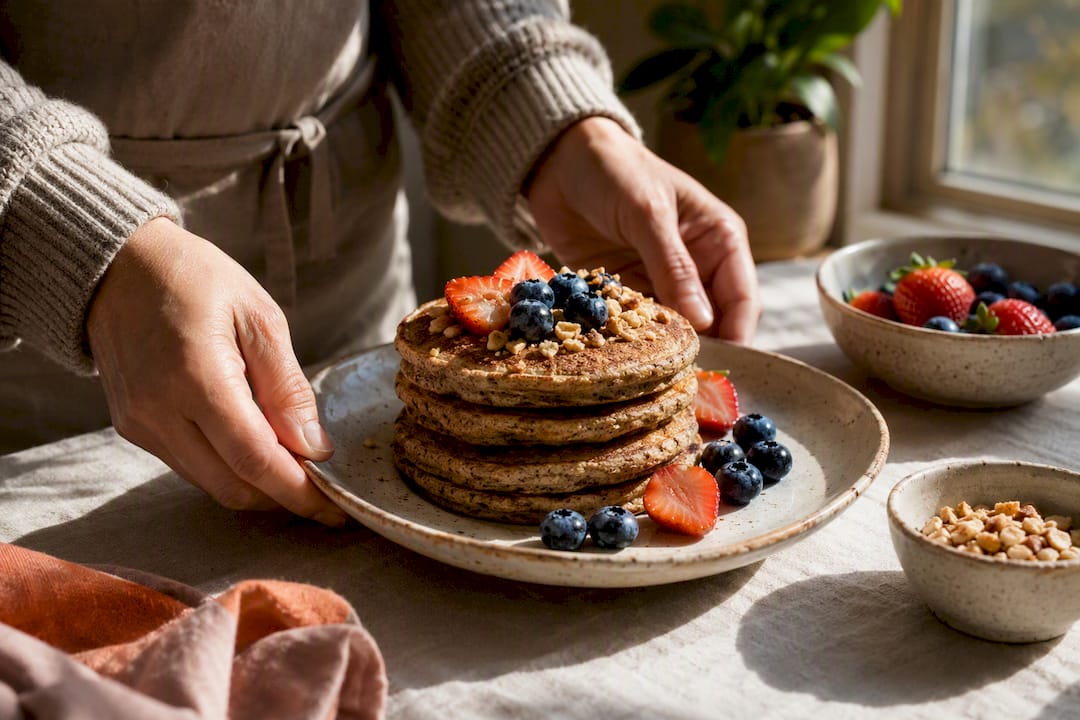
Sunday: Tofu breakfast burrito; leftover chili; sheet-pan roasted vegetables with quinoa; snack: popcorn.
The repeat items, tofu scramble, lentil soup, roasted chickpeas, are intentional. Generators that build real 7-day plans lean on a small set of high-protein staples like tofu, lentils, and edamame, then cap how often each one repeats so the week doesn’t feel monotonous, according to Calorilator’s vegan meal plan generator.
Your one-trip shopping list, grouped by aisle
| Aisle | Items |
|---|---|
| Produce | Spinach, broccoli, carrots, avocados, bananas, berries, apples |
| Bulk/Dry Goods | Lentils, black beans, chickpeas, rice, pasta, quinoa, rolled oats |
| Refrigerated | Tofu (extra firm), soy milk, soy yogurt |
| Frozen | Edamame, mixed vegetables |
| Pantry | Peanut butter, tahini, marinara sauce, salsa, nutritional yeast |
| Condiments/Spices | Curry powder, taco seasoning, flaxseed |
A smart planner sums ingredient quantities across every recipe before you shop, so you buy exactly one bag of rice instead of three, which is the single biggest lever against food waste, per OneFork’s meal planner.
Swap notes:
- Soy-free: swap tofu for chickpeas or seitan (skip seitan if gluten-free).
- Nut-free: replace peanut butter with sunflower seed butter, tahini for cashew-based dressings.
- Higher protein: add a scoop of pea protein to smoothies, double the tofu portion.
- Gluten-free: swap whole-grain toast and pasta for rice-based versions or corn tortillas.
How to Customize a Vegan Meal Planner for Your Goals
The sample week above is a starting point, not a fixed prescription. Your calorie needs, protein target, allergies, and grocery budget are all different from the next reader’s, so the real value of a vegan meal planner is how easily it flexes.
- Set your calorie and protein targets first. A sedentary adult might aim for a moderate calorie intake, while someone lifting weights or training regularly tends to require higher protein intake. Tools that scale portions automatically save you from doing gram-by-gram math every time you adjust, a common feature among meal planning apps that scale to macro targets.
- Scale servings and lock in favorites. If Tuesday’s tacos are a hit, tell your planner to repeat them and regenerate the shopping list around that choice instead of starting from scratch.
- Exclude ingredients by allergy or preference. Ingredient-level tagging, not just recipe titles, is what actually catches hidden animal-derived additives like casein in “non-dairy” creamers or gelatin in gummy vitamins, according to guidance on vegan food labels.
- Dial in your budget. Lean on frozen vegetables, dried beans instead of canned, and shopping the whole list in one trip grouped by aisle. Planners with budget filters can show a per-meal cost estimate before you commit to the week, a feature built into tools like OneFork.
Pro Tip: Batch-cook your grains and roast two sheet pans of vegetables on Sunday. That single hour covers the base for at least four meals across the week, a tactic that shows up again and again in plant-based meal-planning guidance.
Want to see how the macro math actually works before you commit to a plan? A guide to planning meals with macros walks through setting targets without needing a spreadsheet.
What Nutrients Do Vegans Need to Track Each Week?
Plant-based eating covers most of your nutrient needs easily, but a handful require deliberate planning. Miss them consistently and you’ll feel it in energy levels long before a blood test catches it.
- Protein: 1 cup cooked lentils delivers about 18 grams. Tofu, tempeh, and edamame all land in a similar range per serving.
- Vitamin B12: Plants don’t make B12, so fortified foods (nutritional yeast, fortified soy milk) or a daily supplement are the practical path, a point that shows up consistently in plant-based meal planning guidance.
- Iron: Lentils, spinach, and pumpkin seeds are solid sources, but pairing them with vitamin C, think citrus, bell peppers, or tomatoes, meaningfully improves how much your body actually absorbs.
- Calcium: Fortified plant milk, tofu set with calcium sulfate, and leafy greens like bok choy cover this well.
- Omega-3s: Ground flaxseed, chia seeds, and walnuts supply ALA; an algae-based DHA supplement is worth considering if you don’t eat fish at all.
- Vitamin D: Sunlight helps, but fortified foods or a supplement are the more reliable year-round source.
- Zinc: Pumpkin seeds, chickpeas, and cashews all contribute meaningfully across a week.
A quick nutrient math check: a bowl of lentil soup with a side of bell pepper strips pairs iron-rich lentils with vitamin C in the same sitting, which is exactly the kind of pairing that boosts non-heme iron absorption, a strategy backed by plant-based nutrition guides.
If you’re pregnant, nursing, or managing a chronic condition like diabetes, a registered dietitian can help fine-tune these numbers. The American Diabetes Association’s vegan meal planning guidance is a solid starting point for anyone balancing blood sugar on a plant-based diet.
What Should You Look for in a Vegan Meal Planning App?
Not every app handles the same job well, so match the feature to your actual bottleneck.
- Dynamic portion scaling: essential if your calorie or macro targets change often, especially for athletes chasing a protein floor.
- Aisle-grouped shopping lists: the single biggest time-saver for weekly shopping trips.
- Allergy and ingredient filters: look for ingredient-level tagging, not just recipe titles, if you have a true allergy rather than a preference.
- Grocery integration: one-tap ordering matters most for people who are always short on time.
- Batch-cook modes: valuable if you’re feeding a family or cooking once for several days.
- Recipe import: lets you keep favorites instead of starting from zero every week.
- Data basics: check what the app does with your health information before you hand over allergy or medical details.
Why Dinner Roulette Pro Fits This Exact Problem
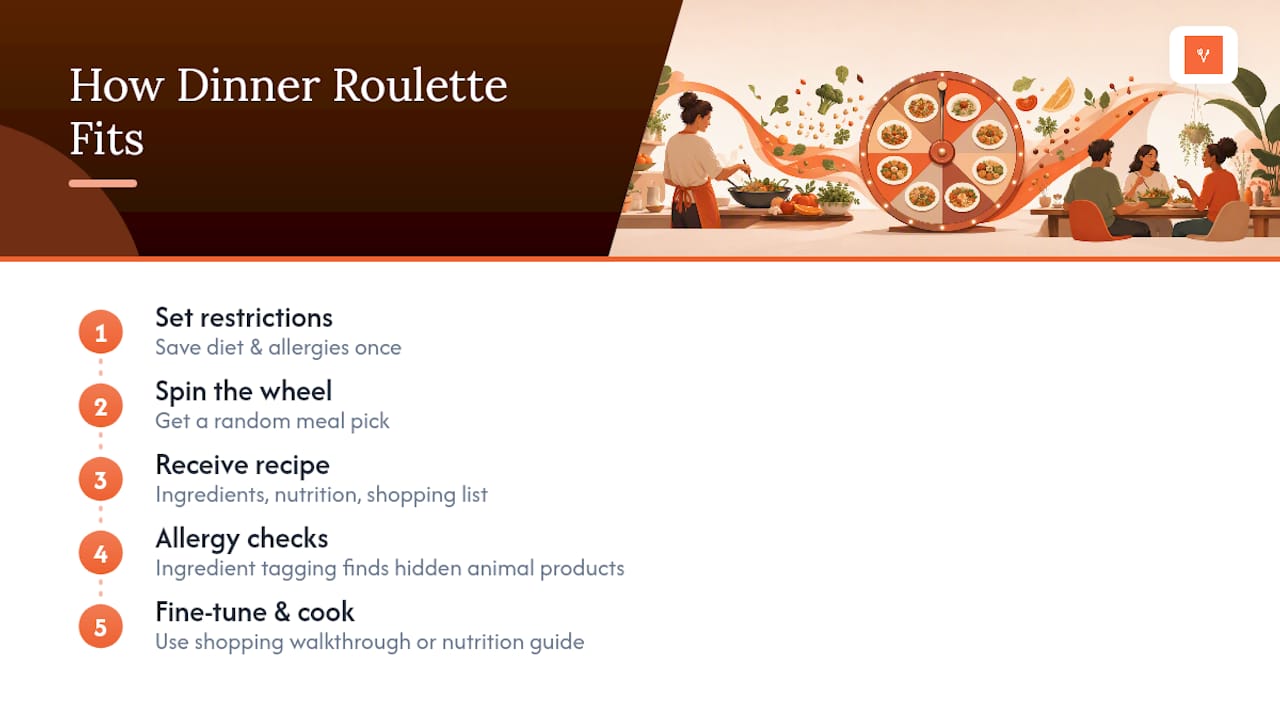
Every feature category above maps directly onto what Dinner Roulette Pro was built to do. Instead of scrolling recipe blogs, you spin a wheel, set your dietary restrictions and allergies once, and get a fully generated recipe with ingredients, nutrition information, and a shopping list attached, at no cost for the core features.
The allergy checks and ingredient-based filtering work the same way ingredient-level tagging protects you elsewhere: they catch hidden animal products that a recipe title alone would miss. For anyone who finds decision fatigue is the actual barrier to cooking at home, not lack of recipes, that’s the gap this closes. Pair it with a shopping list walkthrough or a nutrition guide once you’re ready to fine-tune.
A Week Is Enough to Tell If This Works for You
Try the sample week above exactly as written before you start swapping things out. I’d bet your grocery bill drops and your Wednesday-night “what do we even have” panic disappears faster than you’d expect. Success after seven days looks like a smoother shopping trip and fewer repeat dinners, not perfection. Then customize it, run it again, and let the plan get sharper each week.
— Jack
Get Started With Dinner Roulette Pro Today
If you’ve been piecing together vegan meals from scattered blog bookmarks and half-finished grocery lists, Dinner Roulette Pro replaces that entire process with one spin of a wheel. The AI recipe generation, shopping list creation, and allergy checks are free to use right now, no subscription required to start.
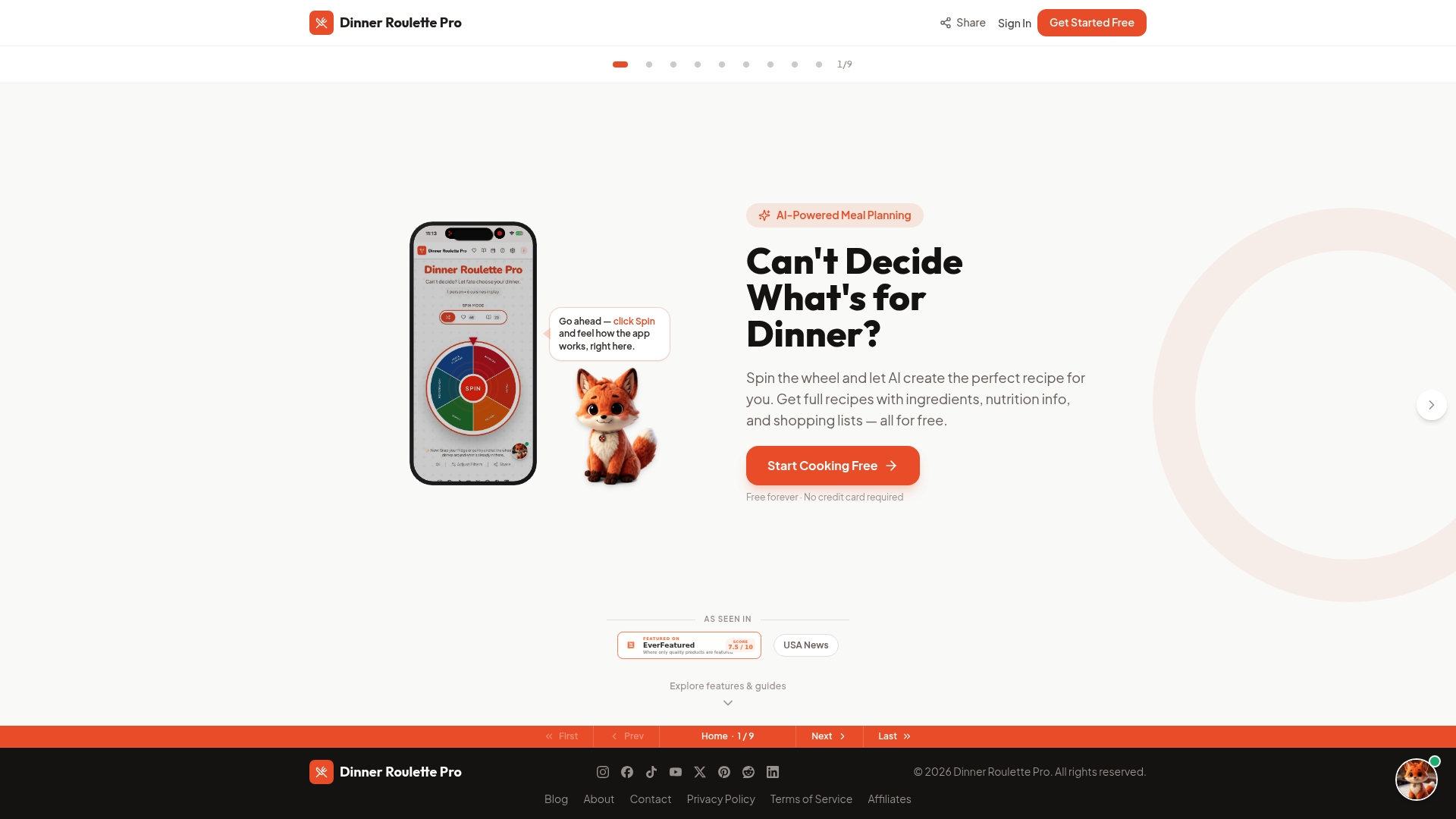
Once you want more, the paid tiers add a meal planning calendar, advanced nutrition scoring, and one-tap grocery ordering through Walmart or Instacart. A Monthly plan runs $4.99 per month, Yearly is $39.99 per year, and a Lifetime option is a one-time $99.99 payment. If you cook for a family with mixed allergies, the dietary restrictions guide is worth reading first. To get moving tonight: open the app, set your dietary restrictions once, spin the wheel, and let it build your first shopping list for you.
Where to Go for More Vegan Meal Planning Help
For deeper nutrition guidance, the American Diabetes Association’s vegan tips cover blood-sugar-friendly plant meals. For more free sample menus, PETA’s two-week vegan plan is a solid follow-along option. Athletes should also check plant-based protein guidance for training for supplement considerations.
This article is general information, not a substitute for advice from a qualified doctor. Consult a qualified healthcare professional about your own circumstances before acting on anything here.
Sources
- Vegan meal planning tips — American Diabetes Association
- Vegan Meal Plan Generator — Calorilator
- OneFork meal planner
- PETA’s sample two-week vegan meal plan
FAQ
Is There a Free Vegan Meal Planner Available?
Yes. Several free tools exist, including generators that build a full week of plant-based meals with shopping lists, and Dinner Roulette Pro’s core AI recipe generation, shopping lists, and allergy checks are free with no subscription needed.
What Is the 80/20 Rule for Vegans?
The 80/20 rule is an informal guideline suggesting that eating plant-based about 80% of the time, while allowing flexibility the other 20%, is a sustainable way to transition without an all-or-nothing mindset. It’s not a clinical standard, just a common flexibility framework people use to make plant-based eating stick long term.
What Is the 30-30-30 Rule for Vegans?
Some people follow a guideline to eat a protein-rich breakfast shortly after waking and then do low-intensity exercise. On a vegan diet, that often means a protein shake, tofu scramble, or a fortified soy yogurt bowl early in the day, since whole-food vegan proteins take more volume to meet protein goals.
Why Did Miley Cyrus Stop Being Vegan?
Miley Cyrus has spoken publicly about moving away from a strict vegan diet, citing personal health reasons including bone health concerns. It’s a reminder that any restrictive diet, plant-based or not, needs attention to nutrients like calcium, protein, and omega-3s to work well long-term.
How Do I Make Sure My Weekly Vegan Menu Stays Balanced?
Rotate protein sources across the week (lentils, tofu, chickpeas, edamame) instead of repeating just one, and pair iron-rich foods with vitamin C at the same meal. A planner that tags ingredients rather than just recipe titles catches hidden gaps before they become a pattern.