20 Quick Healthy Dinners for Weeknights That Take 10–30 Minutes | Dinner Roulette Pro
September 2, 2026
20 Quick Healthy Dinners for Weeknights That Take 10–30 Minutes
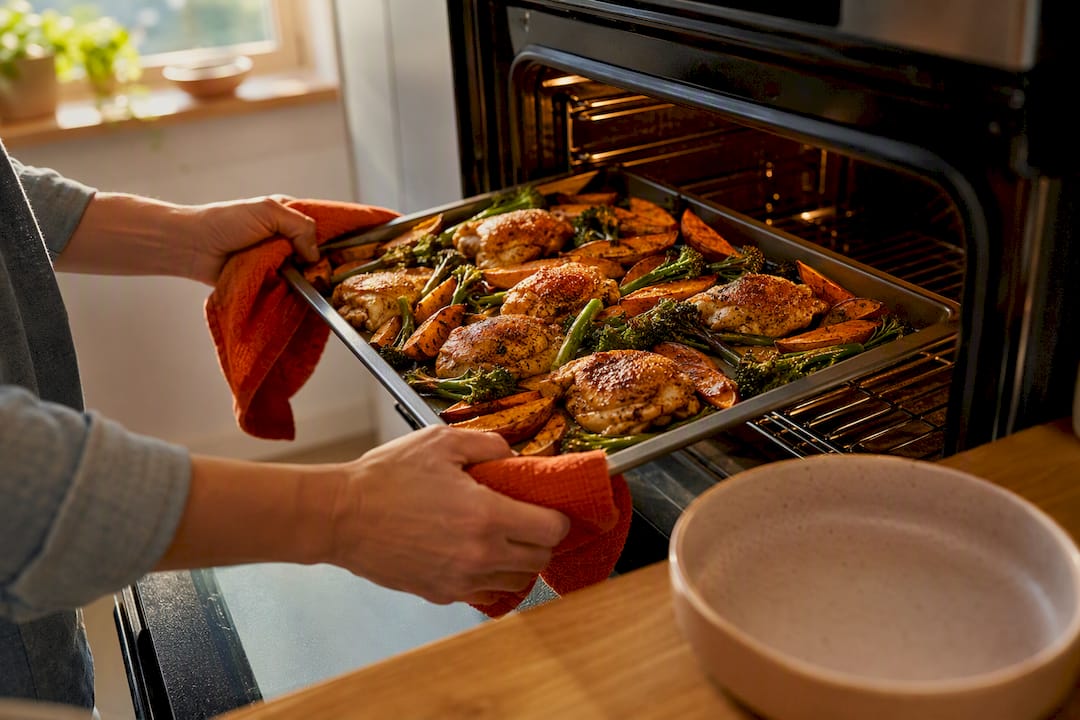
The fastest healthy dinners are one-pan meals, grain bowls, and stir-fries built from pantry staples like canned beans, frozen vegetables, and rotisserie chicken, most finished in 10 to 30 minutes with almost no cleanup. Sheet-pan salmon, shrimp stir-fry, and rotisserie chicken tacos cover the bulk of what a busy household actually needs on repeat. When you’re short on time, lean on one-pan and no-chop methods first; when you have 30 minutes and want something more composed, that’s when a stir-fry or grain bowl earns the extra five minutes.
TL;DR:
- Most fast dinners can be made with pantry staples like canned beans, frozen vegetables, and rotisserie chicken in 10 to 30 minutes with minimal cleanup.
- Preparing templates such as bowls, stir-fries, and pasta allows reuse and variation, reducing decision fatigue and streamlining meal planning.
- Using appliances like air fryers and pressure cookers can cut cooking times further and help prepare entire week’s meals in advance.
- Batch-cooking and freezing components such as grains, vegetables, and sauces on Sundays makes weeknight dinners quicker and easier.
- Implementing a meal-planning app like Dinner Roulette Pro can eliminate the decision-making step by generating complete recipes based on dietary preferences.
Table of Contents
- Quick Healthy Dinners: 20 Recipes You Can Make Tonight
- Sort Quick Dinners by Time and Method, Not Just Ingredients
- Kitchen Shortcuts That Keep Dinner Fast Without Cutting Corners on Health
- Turn One Recipe Into Ten With a Few Reusable Templates
- Make-Ahead and Freezer Moves That Buy You Real Nights Off
- Why Decision Fatigue, Not Skill, Is the Real Obstacle
- Skip the Nightly Decision With Dinner Roulette Pro
- Sources
Quick Healthy Dinners: 20 Recipes You Can Make Tonight
The point of a list like this isn’t to give you 100 options. It’s to hand you a short rotation so you stop staring into the fridge at 6 p.m. Recipe editors have noticed the same problem: long recipe collections are common, but readers need a framework to narrow them down, not another 80 tabs open in a browser. This list mixes fish, poultry, legumes, vegetarian mains, pasta, tacos, and bowls, and every entry includes a time estimate and one swap so it works for more diets without you having to think hard about it.
- Sheet-pan salmon with broccoli. Salmon cooks in the same 12 minutes as the broccoli roasts, so it’s genuinely one pan and one timer. Total time: about 20 minutes. Swap: use frozen broccoli florets straight from the bag, no thawing needed.
- Shrimp stir-fry with frozen veg. Shrimp cooks in under 4 minutes, which makes this one of the fastest proteins you can buy raw. Total time: around 15 minutes. Swap: use tofu instead of shrimp for a plant-based version.
- Rotisserie chicken tacos. Store-bought rotisserie chicken eliminates the only slow step in tacos, which is cooking the meat. Total time: about 10 minutes. Swap: use canned jackfruit for a vegetarian filling.
- Chickpea curry from canned chickpeas. Canned chickpeas are already cooked, so this becomes a sauce-building exercise, not a cooking project. Total time: about 20 minutes. Swap: full-fat coconut milk swaps in for cream with no loss of richness.
- Fried rice from leftover rice. Day-old rice fries up firmer and less gummy than fresh rice, which is why restaurants do this on purpose. Total time: roughly 12 minutes. Swap: use cauliflower rice for a lower-carb version.
- Sheet-pan sausage and peppers. One tray, one temperature, minimal chopping if you buy pre-sliced peppers. Total time: approximately 25 minutes. Swap: use chicken sausage to cut saturated fat.
- Vegetable frittata. Eggs cook fast and absorb whatever vegetables are wilting in your crisper drawer. Total time: about 20 minutes. Swap: use egg whites only for a lower-cholesterol version.
- Rotisserie chicken grain bowls. Shredded chicken, a grain, and whatever’s in the fridge turns into dinner with zero actual cooking. Total time: about 10 minutes. Swap: quinoa instead of rice for a complete protein boost.
- Black bean quesadillas. Canned black beans mashed with cumin make a filling that holds together better than you’d expect. Total time: roughly 12 minutes. Swap: use corn tortillas for a gluten-free version.
- One-pot pasta with canned tomatoes. The pasta cooks directly in the sauce, which thickens as the starch releases. Total time: about 20 minutes. Swap: chickpea pasta adds protein and fiber without changing the method.
- Turkey and zucchini skillet. Ground turkey browns fast, and pre-shredded zucchini needs no knife work at all. Total time: about 18 minutes. Swap: lentils replace turkey for a vegetarian version with similar texture.
- Salmon and rice bowls. Canned or pouched salmon skips the cooking step entirely, so this is closer to assembly than cooking. Total time: about 10 minutes. Swap: use jackfruit or marinated tempeh for a fish-free version.
- Sheet-pan chicken thighs and sweet potato. Chicken thighs stay juicy even with a slightly imprecise oven, unlike chicken breast. Total time: around 30 minutes. Swap: swap sweet potato for cauliflower to cut the carb load.
- Lentil soup from canned lentils. Canned lentils turn a usually slow soup into a 15-minute meal. Total time: around 15 minutes. Swap: add a spoon of miso paste instead of salt for deeper flavor.
- Shrimp and grits with instant grits. Instant grits cook in 5 minutes, which matches almost exactly how long shrimp takes. Total time: around 15 minutes. Swap: use polenta for a slightly heartier texture.
- Beef and broccoli stir-fry. Thin-sliced beef (ask the butcher, or buy pre-sliced stir-fry beef) cooks in under 3 minutes per side. Total time: about 18 minutes. Swap: use mushrooms in place of beef for an umami-rich vegetarian version.
- White bean and kale skillet. Canned white beans and pre-washed kale mean no soaking, no chopping stems. Total time: around 15 minutes. Swap: swap kale for baby spinach if you want faster wilting.
- Egg roll in a bowl. Ground pork, coleslaw mix, and soy sauce recreate egg roll flavor without the wrapper or the fryer. Total time: around 15 minutes. Swap: use ground chicken for a leaner version.
- Tuna and white bean salad. No stove required at all; this is a pantry-can assembly job. Total time: under 10 minutes. Swap: swap tuna for canned salmon for more omega-3s.
- Peanut noodle bowls with rotisserie chicken. A jarred or homemade peanut sauce coats noodles and shredded chicken in one bowl. Total time: around 15 minutes. Swap: use a sunflower seed butter sauce for peanut allergies.
Every one of these leans on the same principle: fewer decisions per meal, not fewer ingredients. That’s what makes a list like this reusable instead of something you read once and forget.
Sort Quick Dinners by Time and Method, Not Just Ingredients
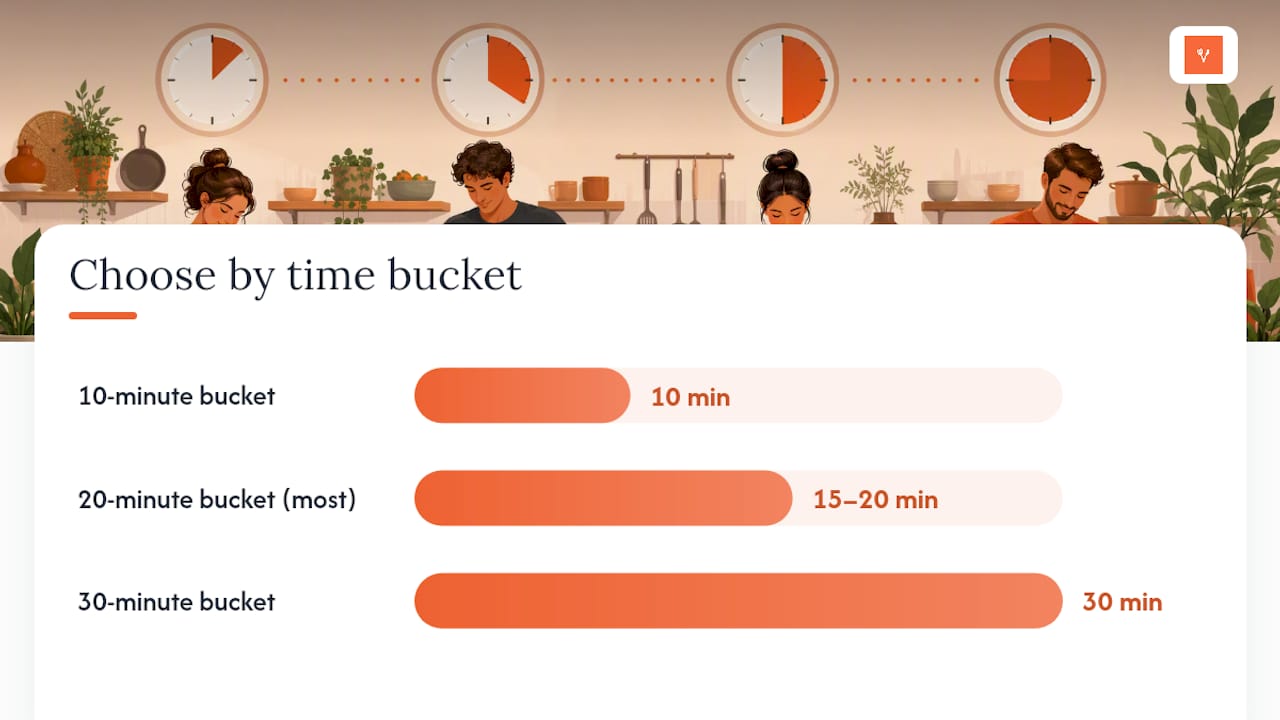
Matching a recipe to how much energy and time you actually have tonight matters more than matching it to a craving. Industry guides now define a “quick” dinner as 30 minutes or less, with a large share of the most popular recipes target just 15 to 20 minutes of active cooking. Splitting your rotation into three time buckets makes the choice almost automatic.
- The 10-minute bucket (low-energy nights). This is assembly, not cooking: tuna and white bean salad, rotisserie chicken bowls, or fried rice from leftovers. No special equipment beyond a skillet or a bowl and a fork. Best for nights when even turning on the oven feels like too much.
- The 20-minute bucket (weeknight default). Sheet-pan salmon, shrimp stir-fry, one-pot pasta, and black bean quesadillas all land here. A sheet pan, one nonstick skillet, or a single pot handles almost everything in this tier. A fast noodle stir-fry built on fast-chop vegetables and a two-batch sauce can hit the table in 15 minutes even for a full family, which shows how much speed comes from technique rather than ingredient count.
- The 30-minute bucket (hands-on, more composed). Sheet-pan chicken thighs with sweet potato, chickpea curry built from scratch spices, and beef and broccoli with fresh-cut vegetables sit here. An Instant Pot or air fryer can shave five to eight minutes off this tier by handling the protein while you build a side.
An air fryer earns its counter space specifically in the 20 and 30-minute buckets, since it roasts vegetables in roughly two-thirds the time an oven takes, freeing that oven for something else. A pressure cooker matters most for dried beans and tougher cuts of meat, less so for anything already fast like shrimp or eggs.
For meal-prep purposes, the 30-minute bucket is worth doubling: sheet-pan chicken thighs and roasted sweet potato scale up easily and reheat well. The 10-minute bucket, by contrast, works best cooked same-night, since it depends on already-prepped components like leftover rice or rotisserie chicken that won’t improve sitting in the fridge for days.
Kitchen Shortcuts That Keep Dinner Fast Without Cutting Corners on Health
Speed in the kitchen comes down to two things: what order you do tasks in, and what you keep stocked; consulting nutrition guidance can also help focus on healthful choices for older adults. Get those right and almost any recipe gets faster without losing nutrition.
Start with sequencing. Professional cooks consistently start the longest-cooking element first, whether that’s a pot of water for rice, a tray going into the oven, or a piece of meat searing, and then do all remaining chopping and prep while that component works unattended. This one habit alone probably saves more time than any gadget you could buy.
Pantry staples do the rest of the work. Keep these on hand and you shorten prep on almost any recipe:
- Low-sodium broth (chicken or vegetable), so soups and grain dishes get flavor without a heavy salt load.
- Canned beans (black, white, chickpea) for instant protein and fiber with zero cook time.
- Frozen vegetables, especially broccoli, peas, and stir-fry blends that go straight from bag to pan.
- A jar of chili crisp, harissa, or miso paste for a fast flavor boost that replaces multiple spices.
- Pre-minced garlic and ginger in a jar, which shaves a genuine two to three minutes off almost every stir-fry or curry.
Minimal-prep cooking works precisely because bold pantry condiments carry flavor that would otherwise require fresh aromatics and longer cook times. A small spoon of miso or chili crisp stirred into canned beans or a simple pan sauce does more for taste than ten extra minutes of sautéing onions.
Appliance shortcuts stack on top of that. An air fryer crisps frozen vegetables or chicken thighs without heating a full oven. A sheet pan turns “cook the protein and the side” into one task instead of two. A pressure cooker turns dried beans, which normally need soaking overnight, into a same-day option.
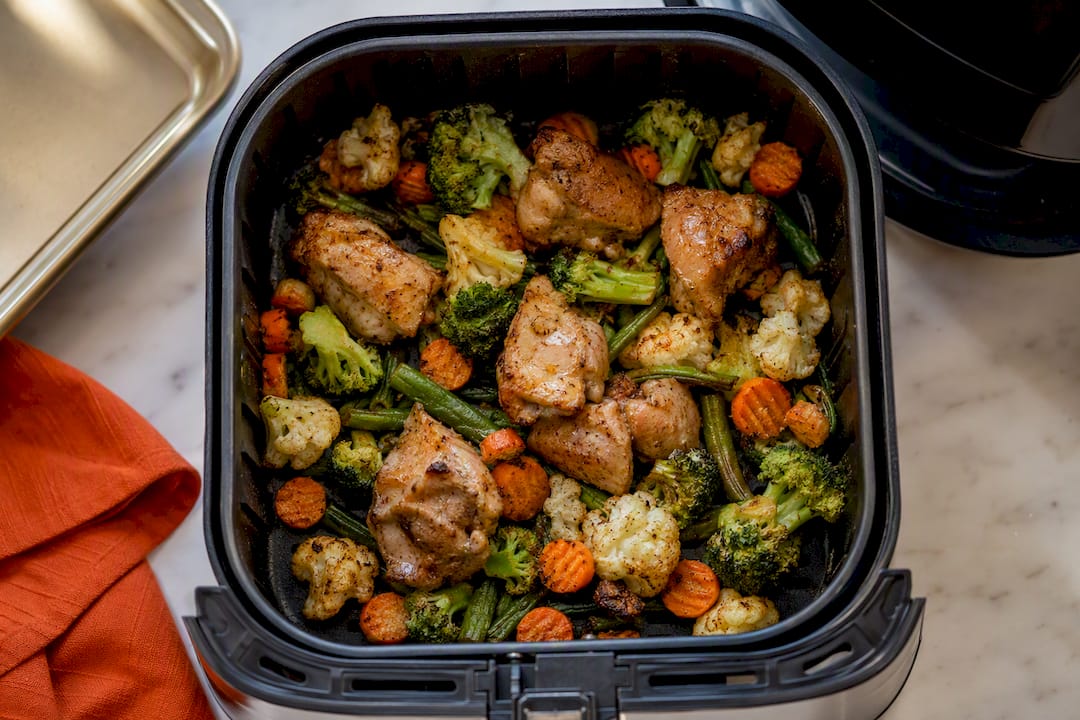
Pro Tip: Buy pre-sliced stir-fry vegetables or a bagged coleslaw mix instead of chopping from whole heads. It costs a little more per pound, but it turns 10 minutes of knife work into zero, and the vegetables cook just as fast either way.
Turn One Recipe Into Ten With a Few Reusable Templates
Once you stop thinking in individual recipes and start thinking in templates, dinner planning shrinks to a handful of small decisions instead of a nightly search. Treating a base recipe as a flexible frame, rather than a fixed set of ingredients, is exactly how professional cooks build fast weeknight rotations.
- Bowl template: grain (rice, quinoa) + roasted or frozen vegetable + protein (rotisserie chicken, canned beans, tofu) + sauce (peanut, tahini, or a vinaigrette). Swap the grain for cauliflower rice, the protein for lentils, or the sauce for a yogurt-based dressing.
- Stir-fry template: aromatics (garlic, ginger) + fast-chop vegetables + protein + a two-part sauce (soy sauce base, then a finishing splash of sesame oil or rice vinegar). Swap soy sauce for coconut aminos for a gluten-free version.
- Pasta template: noodle or pasta + canned tomato or olive oil base + vegetable + protein. Swap regular pasta for chickpea or lentil pasta to roughly double the fiber and protein per serving.
- Big salad template: leafy base + roasted or canned vegetable + protein + grain for bulk + dressing. Swap croutons for toasted chickpeas if you want crunch without refined carbs.
Leftovers slot into every one of these. Extra roasted vegetables from Tuesday’s sheet pan become Wednesday’s bowl topping. Leftover shredded chicken becomes Thursday’s quesadilla filling. The template does the thinking; you just rotate what’s already in the fridge through the same four slots.
Make-Ahead and Freezer Moves That Buy You Real Nights Off
One focused hour on a Sunday can cover three or four dinners later in the week. Batch-cook a grain, roast a full tray of mixed vegetables, and pre-cook a pot of dried beans, then store each in its own container. Make a double batch of a versatile sauce, like a peanut or tahini dressing, since it keeps in the fridge for about a week and instantly upgrades bowls or noodles. Roll and freeze a batch of meatballs raw; they go from freezer to skillet with almost no extra effort on a busy night.
Leftovers recompose into new meals rather than repeating as-is:
- Leftover rice becomes fried rice with whatever vegetables are left in the crisper.
- Leftover roasted chicken or vegetables become a quesadilla filling in under 10 minutes.
- Leftover roasted vegetables and grains combine into a fast grain bowl with a fresh sauce.
Store cooked proteins and grains in the fridge no more than four days, and label freezer items with the date so nothing turns into a mystery bag six months later. Reheat leftover chicken or fish to 165°F to be safe, and thaw frozen meatballs or sauce overnight in the fridge rather than on the counter.
Why Decision Fatigue, Not Skill, Is the Real Obstacle
The recipes and templates above solve the mechanics of speed. But the harder problem for most households isn’t cooking skill, it’s the mental tax of deciding what to cook in the first place. Decision fatigue is consistently the primary barrier for busy families, more so than time or ability. A rotating set of templates helps, but it still requires you to remember the templates and choose one at 5:45 p.m. when you’re tired and the fridge door is open.
That’s the gap Dinner Roulette Pro is built to close. Instead of scrolling through another list, you set your dietary filters, allergy restrictions, and preferences once, then spin for a fully generated recipe complete with ingredients and nutrition information. It doesn’t replace knowing the 10-minute bucket exists; it removes the step where you have to pick from it yourself on a night when picking is the hardest part.
— Jack
Skip the Nightly Decision With Dinner Roulette Pro
Every list, template, and time bucket above still asks you to make a choice. Dinner Roulette Pro removes that step entirely: set your dietary restrictions and allergy checks once, spin the wheel, and get a complete recipe with ingredients, nutrition information, and a shopping list attached, at no cost for the core feature.
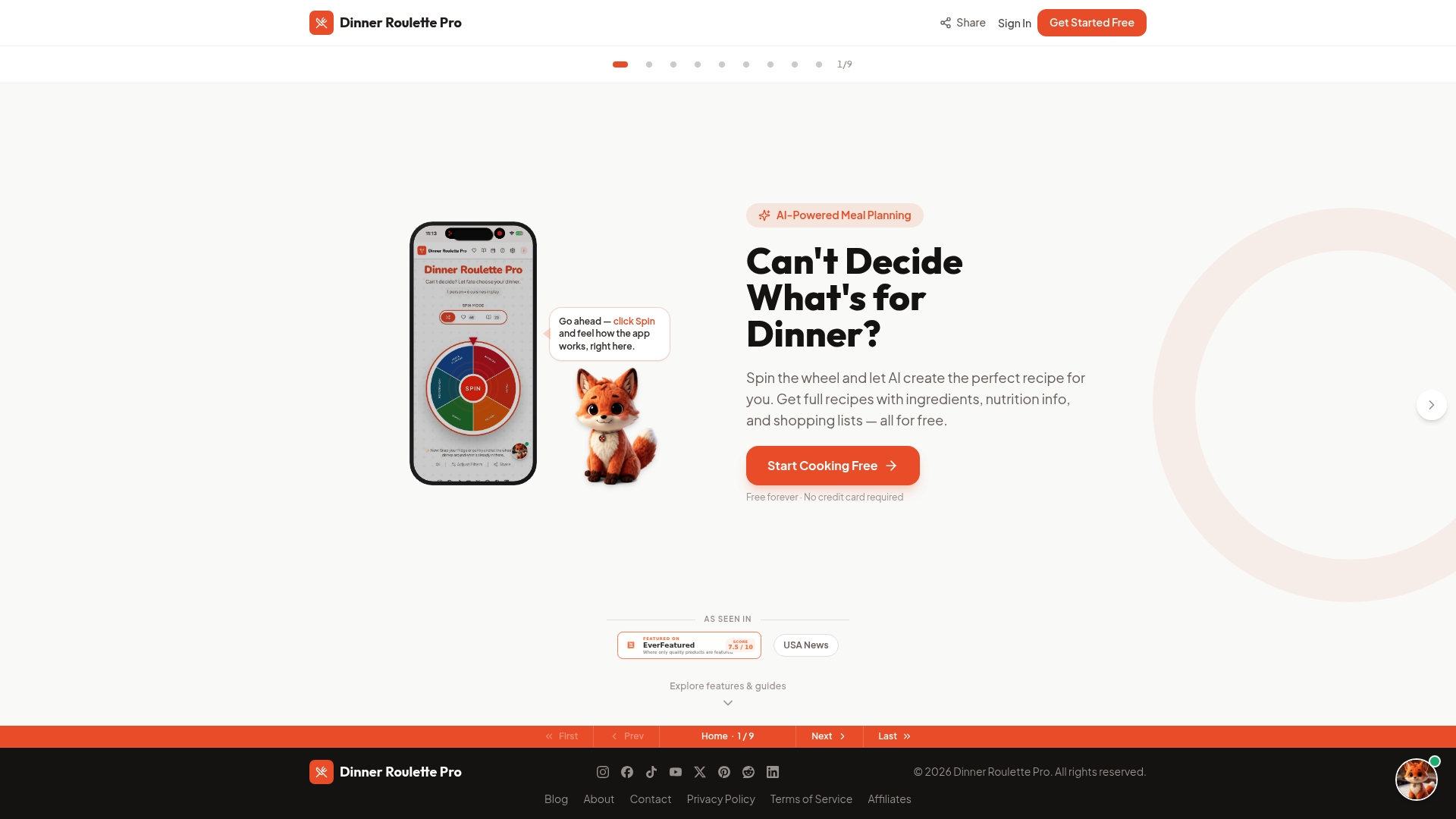
If you’re already leaning on the bowl, stir-fry, and pasta templates from this guide, the app’s randomized picks work as a fast substitute on nights when even choosing a template feels like too much. For a more structured approach to storing and rotating your favorite quick meals, the Recipe Organization Guide walks through building a rotation you can pull from all week without ever repeating the same search. Open the app tonight, set your filters once, and spin for a dinner you don’t have to think about.
Sources
- Minimal-prep dinner recipes — Serious Eats
- The fastest noodle stir fry I know — RecipeTin Eats
- Basil beef / technique notes — Feasting At Home