20–40g Protein Post Workout Dinner: Real Food Templates | Dinner Roulette Pro
September 11, 2026
20–40g Protein Post Workout Dinner: Real Food Templates
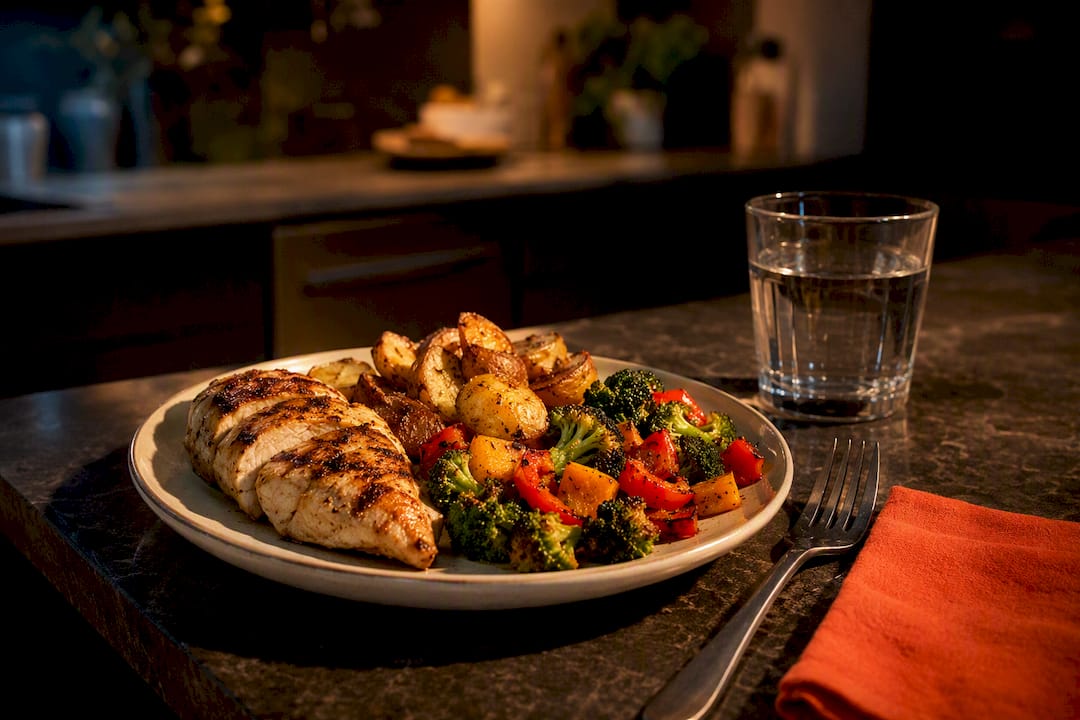
A practical post-workout dinner supplies an adequate amount of protein plus a carbohydrate source to refill glycogen, and dinner-style real food beats chasing a perfect “30-minute window.” For anyone training in the evening, dinner isn’t a side thought after the workout, it’s the recovery meal. Timing is far more forgiving than most people assume, so the priority is eating a balanced plate within a few hours, not sprinting to the fridge the second you rack the weights.
TL;DR:
- Consuming 20 to 40 grams of protein and carbs tailored to workout intensity effectively supports muscle repair and glycogen refill without rushing immediately post-exercise.
- Timing is flexible; eating a balanced dinner within a few hours after training provides sufficient recovery benefits, especially for those with longer or back-to-back sessions.
- Building weekly meal templates and batch-cooking staples simplifies post-workout routine, reducing decision fatigue and ensuring consistent, nutritious recovery dinners.
- Plant-based athletes should combine incomplete proteins like beans and rice or tofu and chickpeas to ensure full amino acid profiles in recovery meals.
- Hydration with electrolytes becomes important after prolonged, heavy sweating sessions, with options including salted foods, coconut water, or low-sugar sports drinks.
Table of Contents
- What Should a Post-Workout Dinner Actually Contain?
- Is the Post-Workout Anabolic Window Really That Short?
- What Are the Best Post-Workout Dinner Ideas by Goal?
- What’s a Fast Recovery Dinner When You Have No Energy to Cook?
- Do You Need Electrolytes After an Evening Workout?
- How Do You Make Post-Workout Dinners a Habit, Not a Project?
- What Does the Research Actually Support?
- A Realistic Weekly Dinner Plan for Evening Trainees
- Let Dinner Roulette Pro Build Your Recovery Plate for You
- Sources
What Should a Post-Workout Dinner Actually Contain?
The International Society of Sports Nutrition recommends 20 to 40 grams of protein per meal for muscle repair, and your total daily protein intake matters more than hitting that number in any single sitting. Carbohydrate needs shift with the workout: endurance sessions or heavy lifting days call for a bigger carb portion to restore muscle glycogen, while a light recovery walk doesn’t demand the same refill. Keep fat moderate at dinner to aid digestion when your body needs nutrients moving.
A few reliable combinations hit the target without much thought:
- Grilled chicken thigh, jasmine rice, and roasted broccoli
- Baked salmon, a small sweet potato, and sautéed spinach
- Ground turkey, quinoa, and bell peppers
- Tofu, brown rice, and steamed edamame
Carbohydrates paired with protein speed up glycogen replenishment, and how urgent that refill is depends on whether you’re training again the next morning or resting for a day or two.
Is the Post-Workout Anabolic Window Really That Short?
No. The old 30-minute rule doesn’t hold up. Research on nutrient timing shows muscle protein synthesis stays elevated for several hours after training, not minutes. If you trained fasted, eating within one to two hours helps, but for most people, a dinner eaten within a few hours of finishing the workout still lands inside that effective window.
Same-day double sessions change the math. If you’re training again in six or eight hours, faster carb replacement genuinely helps top off glycogen before round two. Train once a day, and the rush disappears.
If your appetite tanks after a hard session, don’t force a full plate:
- A whey shake blended with a banana covers protein and carbs fast
- A small handful of turkey slices with crackers works as a stopgap
- Greek yogurt with berries bridges the gap until real hunger shows up
Pro Tip: If you’re not hungry right after training, sip a shake now and eat a normal dinner an hour or two later. You get the recovery benefit without forcing food you don’t want.
What Are the Best Post-Workout Dinner Ideas by Goal?
Different goals call for different plates. Here’s how to build one depending on what you’re training for and how much time you have.
- Muscle-building dinners need higher protein and a generous carb load. Try grilled chicken breast with a full cup of white rice and roasted zucchini, or a salmon fillet with a large sweet potato and asparagus. Both land well above the 20 gram protein floor and supply enough carbs to refill glycogen after a heavy lifting session.
- Balanced recovery dinners work for moderate training days. A stir-fry with 4 to 5 ounces of shrimp, a cup of brown rice, and mixed vegetables lands around 25 to 35 grams of protein without going overboard on carbs.
- Plant-based recovery plates need some planning since most single plant proteins are incomplete on their own. Combine black beans with rice, or serve a tofu and chickpea bowl over quinoa, to get a fuller amino acid profile alongside solid carb content.
- Light, late-night options matter if you’re eating close to bedtime. Favor foods that digest easily.
For plant-based eaters, a few dependable combinations show up again and again in dinner recipes for muscle recovery:
- Lentil soup with a side of whole-grain bread
- Tempeh stir-fry with rice noodles and vegetables
- Chickpea curry over basmati rice
Late-night trainers should lean toward easily digestible proteins and moderate carbs to avoid the bloated, restless feeling that comes from a heavy meal right before sleep. Grilled fish with rice and steamed vegetables sits far better at 9 p.m. than a creamy pasta bake. Skip anything fried or drenched in heavy sauce if you’re eating within an hour of lying down.
What’s a Fast Recovery Dinner When You Have No Energy to Cook?
Some nights, cooking isn’t happening, and that’s fine. A few combinations take under ten minutes:
- Protein shake blended with a banana and a scoop of oats
- Canned tuna mixed into microwaved rice with a splash of soy sauce
- Rotisserie chicken shredded over a baked sweet potato
- Greek yogurt with granola and a drizzle of honey
Keep these staples stocked so a slow night never turns into a takeout order: canned beans, pre-cooked grain pouches, frozen fish fillets, and a tub of Greek yogurt. Reach for a liquid option like a shake when you’re short on time or appetite; reach for a plate when you actually want to sit down and eat. For more no-cook backups, 25 lazy dinner ideas covers ground this section doesn’t.
Do You Need Electrolytes After an Evening Workout?
Water covers most sessions under an hour. Once you’re sweating heavily or training for 90 minutes or longer, plain water alone may not replace the sodium lost, and hydration research on exercise recovery points to electrolyte replacement as the fix for that gap.
- Water plus a salty dinner covers most standard workouts
- Coconut water or a low-sugar sports drink helps after long, sweaty sessions
- A pinch of salt in your post-workout meal does the same job as a store-bought electrolyte packet
How Do You Make Post-Workout Dinners a Habit, Not a Project?
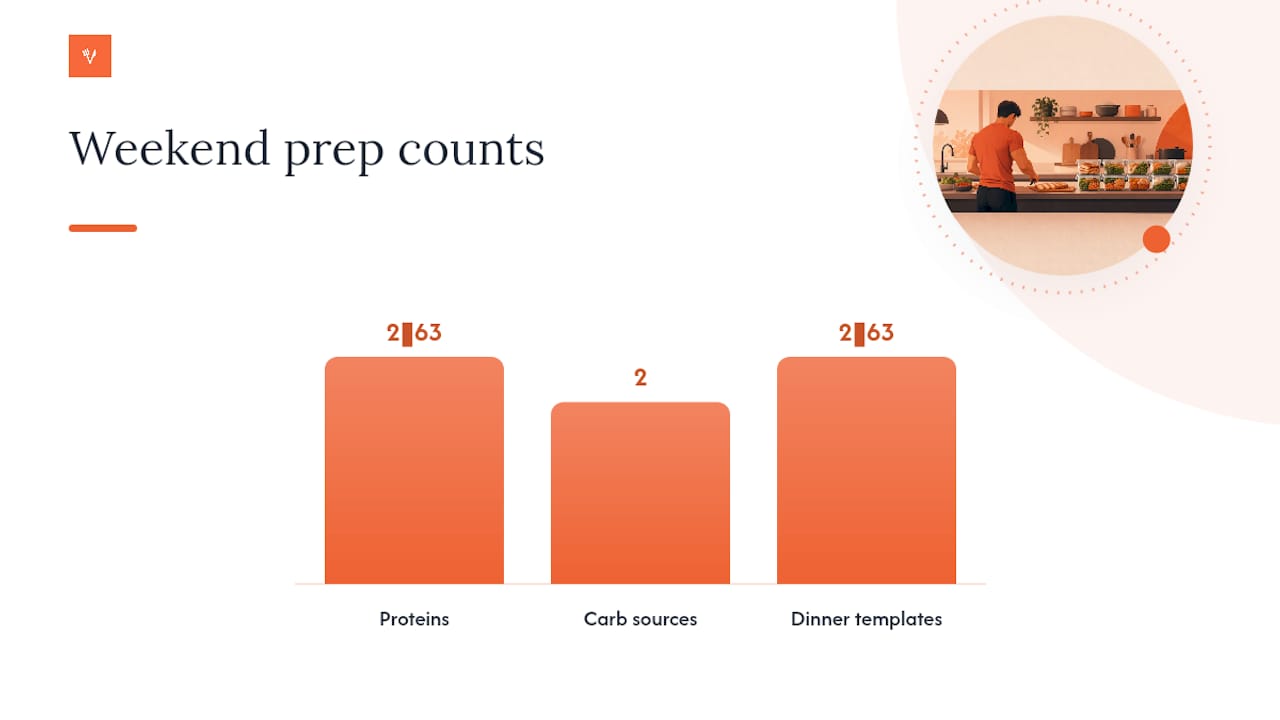
Decision fatigue kills consistency faster than bad information does. Batch-cook two or three proteins and two carb sources every weekend, portion them into containers, and dinner becomes assembly, not cooking.
- Pick 2 to 3 dinner templates (one muscle-build, one balanced, one light) and rotate them weekly.
- Cook a big batch of chicken, ground turkey, or tofu, plus rice or quinoa, and store portions in the fridge or freezer.
- Build a shopping list around staples that repeat across all three templates, so nothing goes to waste.
Pro Tip: Keep one “recovery kit” shelf in your fridge, pre-cooked protein, a grain, and cut vegetables, so a compliant dinner is never more than five minutes of assembly away.
A shopping list built around repeatable ingredients removes most of the friction that causes people to skip real food after a hard session.
What Does the Research Actually Support?
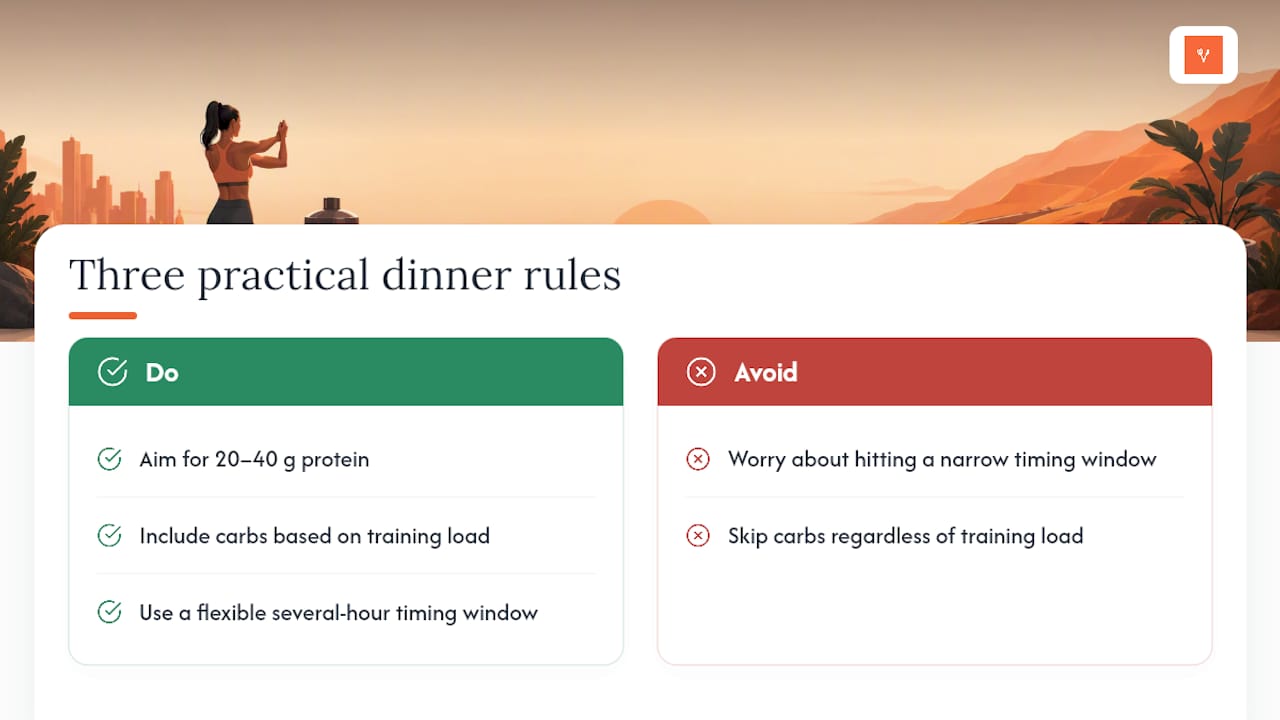
The core rules hold up under scrutiny: aim for 20 to 40 grams of protein, include carbs based on your training load, and stop worrying about hitting a narrow timing window. Practical consistency, eating a repeatable dinner you’ll actually make, beats theoretical perfection every time. Dinner Roulette Pro’s nutrition guide breaks these targets down further for readers building out a full weekly plan.
A Realistic Weekly Dinner Plan for Evening Trainees
My own week rotates three dinners: chicken and rice on lifting days, a plant-based bowl on lighter days, and a shake plus toast when appetite disappears. Consistency beats a perfect plate. For more on breaking the cycle of repetitive meals, see how to stop meal fatigue for good.
— Jack
Let Dinner Roulette Pro Build Your Recovery Plate for You
There are apps available that help turn “what should I eat after training” into an actual plate, without doing the protein and carb math yourself every night. Spin the wheel, set your dietary restrictions or allergy checks, and get a full recipe with nutrition information built to hit your recovery targets.
For readers who train several nights a week, some apps include shopping list features that pull ingredients from generated recipes, reducing the guesswork in the grocery store for tomorrow’s dinner. Pair that with the recipe organization guide to set up two or three go-to recovery templates you can spin back to whenever cooking feels like one decision too many. If you want inspiration beyond your own kitchen, Yumzi is worth a look for saved recipe collections that pair well with a weekly rotation. Open Dinner Roulette Pro tonight and generate your first post-workout dinner before you even leave the gym.
Sources
- International Society of Sports Nutrition position stand: protein recommendations
- What to eat before and after a workout, based on your workout type | UCLA Health
- What to eat after late-night workouts